

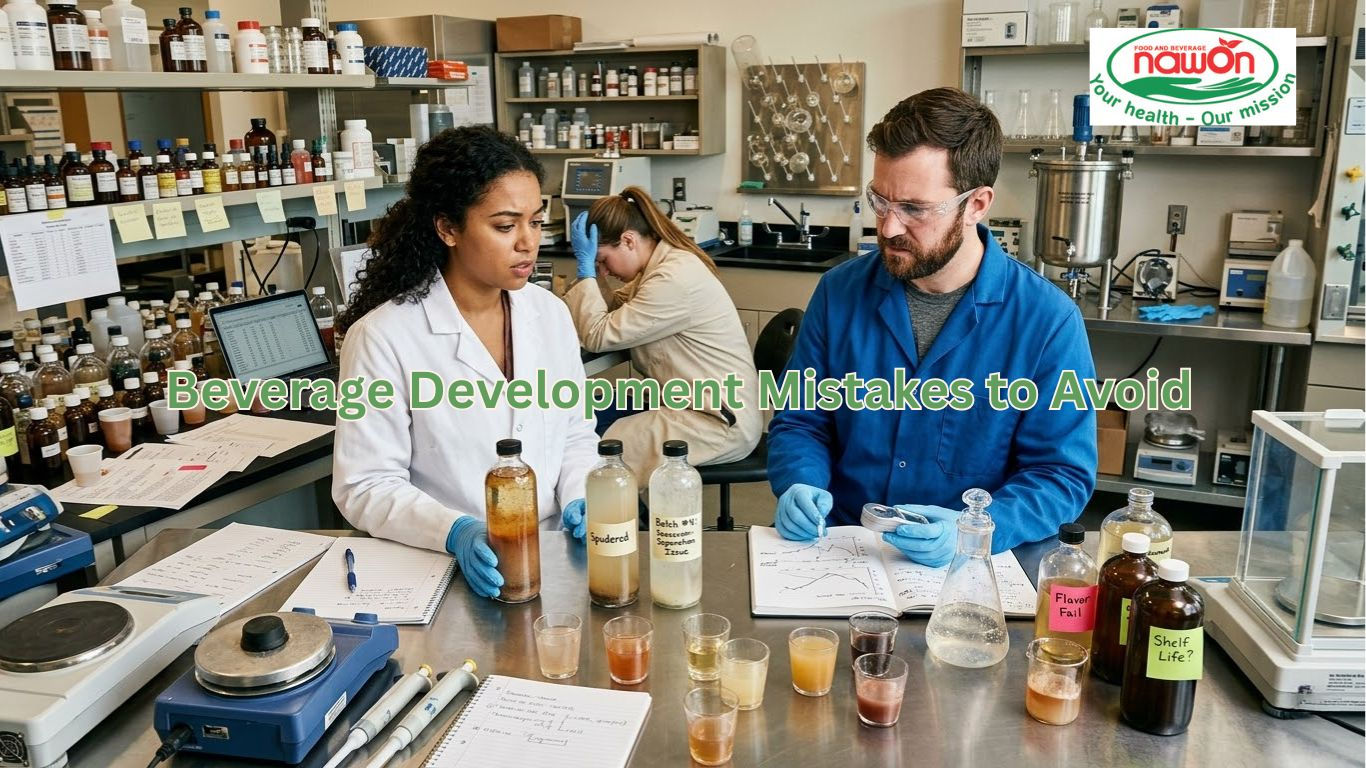
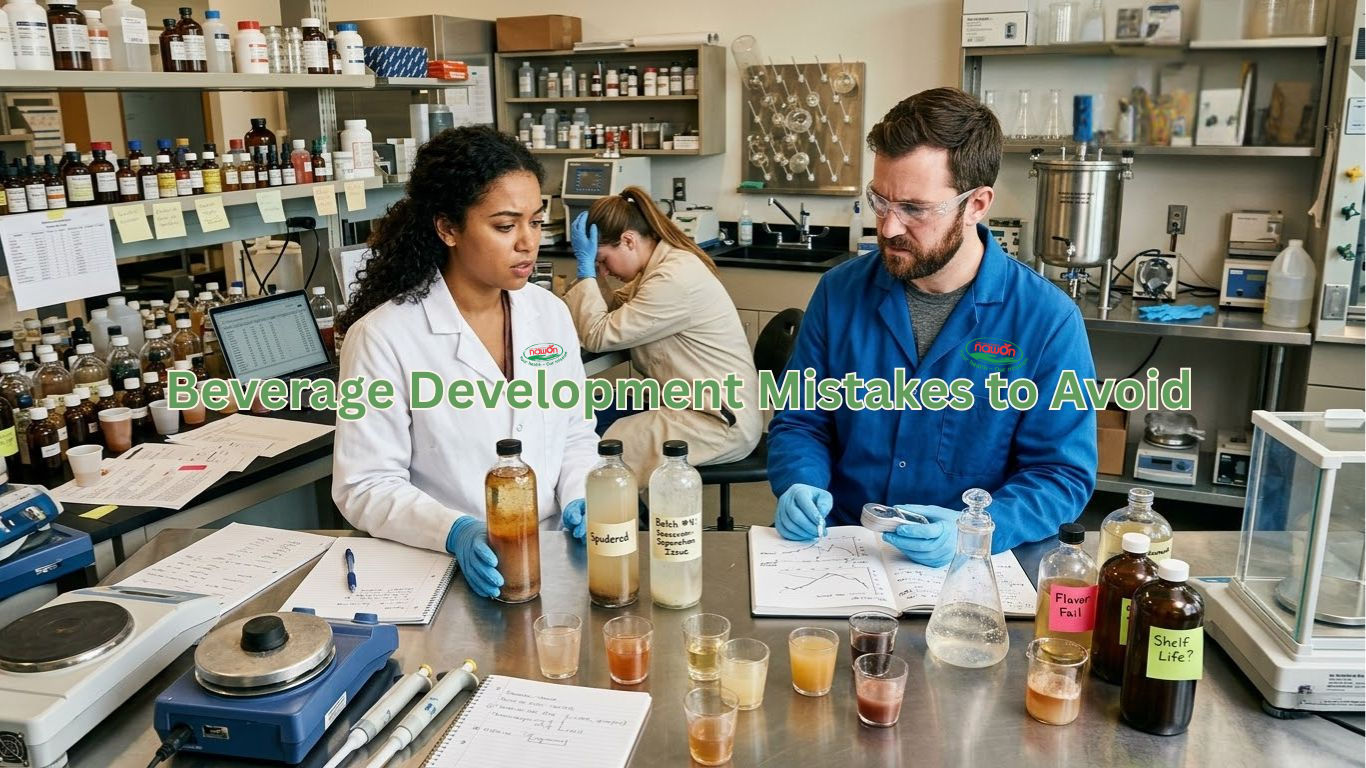
Beverage development mistakes are among the main reasons the beverage industry remains fiercely competitive and challenging. Launching a successful beverage brand requires careful planning in every aspect, from formulation and supply chain to financial forecasting. By identifying and avoiding common mistakes in beverage product development, founders and entrepreneurs can better navigate the product development cycle and build more sustainable, scalable businesses.
Mistake 1: Neglecting Thorough Market Research
Many founders create a beverage they personally enjoy and assume a large market share of people share their exact taste. This leads to building products without demand validation. Without objective data to confirm that consumers are willing to pay for the product, the brand risks launching into a void.
Thorough market research requires analyzing several key factors before finalizing a product:
- Identifying specific target consumers, including their shopping habits and price expectations.
- Analyzing competitors currently occupying the desired retail shelf space.
- Comparing the pricing, ingredient profiles, and packaging formats of rival brands.
- Evaluating the marketing claims and nutritional profiles of existing products.
Skipping this phase is one of the most fatal mistakes a beverage startup can make. It results in products that attempt to compete in saturated categories without a clear point of differentiation.

Mistake 2: Underestimating Capital Requirements
Funding a beverage company requires far more capital than simply paying for ingredients. Founders frequently underestimate the true costs of a beverage startup, leading to cash flow crises right as the product hits the market.
Beverage brand owners must budget for several major expenses:
- Minimum order quantities for bulk ingredients and custom flavorings.
- Upfront investments for packaging materials like custom bottles, printed cans, and labels.
- High freight and logistics expenses are required to ship heavy liquids.
- Distributor markups and retail margins reduce the final unit profit.
A common error is pricing the product based solely on the cost of goods sold. Providing realistic budgeting that accounts for slotting fees, promotional discounts, and freight is mandatory for long-term viability.
Mistake 3: Ignoring Retail Requirements and Supply Chain Complexity
Creating a great-tasting drink is only half the battle. The product must physically reach the consumer, which requires navigating a complex beverage supply chain and meeting strict retail standards.
New brands often struggle with logistical hurdles:
- Complying with rigid retail rules for barcode placement and nutritional panel formatting.
- Meeting specific pallet configuration standards required by major distribution centers.
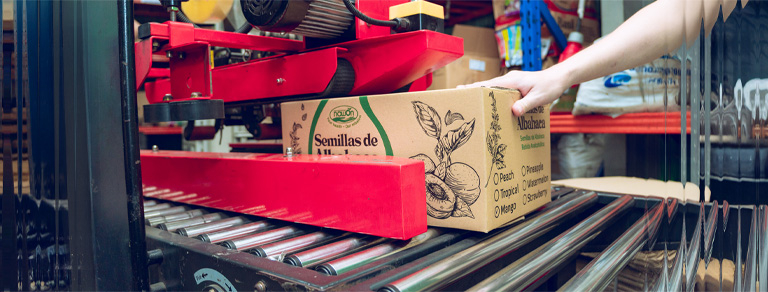
- Balancing beautiful packaging design with the structural durability needed for freight transport.
- Securing reliable freight carriers for heavy or temperature-sensitive pallets.
Ignoring these logistical realities leads to damaged goods, rejected shipments, and strained relationships with retail buyers.
Mistake 4: Overcomplicating the Brand or Product
Driven by enthusiasm, founders frequently try to do too much at once. Launching with an overly complex product lineup drains capital and confuses consumers.
Common missteps in brand positioning include:
- Launching too many flavors or SKUs simultaneously.
- Developing multiple variations that require massive capital for packaging inventory and production minimums.
- Lacking a clear brand message by claiming a single drink is an energy booster, a sleep aid, and a vitamin supplement all at once.
- Chasing fleeting ingredient trends instead of focusing on long-term consumer needs like hydration or genuine nutritional value.
Launching with two or three strong, perfected formulas is a much safer and more strategic approach for a new brand.
Mistake 5: Inadequate Formulation and Quality Control
Translating a home recipe for commercial production poses significant challenges for beverage formulation. A formula that tastes great in small batches may taste entirely different or become unsafe when subjected to commercial processing.
Commercial formulas require precise engineering to avoid critical failures:
- Shelf-life stability issues where beverages separate, change color, or develop off-flavors.
- Improper pH balancing and incorrect stabilizer application.
- Using ingredients or food colors not approved by local food safety authorities.
- Bypassing professional thermal processing and pasteurization protocols.
Attempting to bypass professional formulation and rigorous quality control testing almost always results in a compromised product and potential legal consequences.
View more: Beverage Manufacturer for Startups: What Founders Should Know
How Experienced Beverage Manufacturers Help Avoid These Mistakes
Partnering with an established co-packer or manufacturer is the most effective way to mitigate risk. Experienced beverage manufacturers provide essential infrastructure and industry knowledge that startups lack.
Professional manufacturing partners assist brands by:
- Scaling recipes for mass production while maintaining the desired flavor profile.
- Conducting rigorous shelf-life testing to guarantee product stability over time.
- Ensuring all ingredients and labels meet local and international food safety standards.
- Designing functional packaging that withstands supply chain stress.
- Providing the capacity to scale operations as the brand grows from small runs to large international orders.
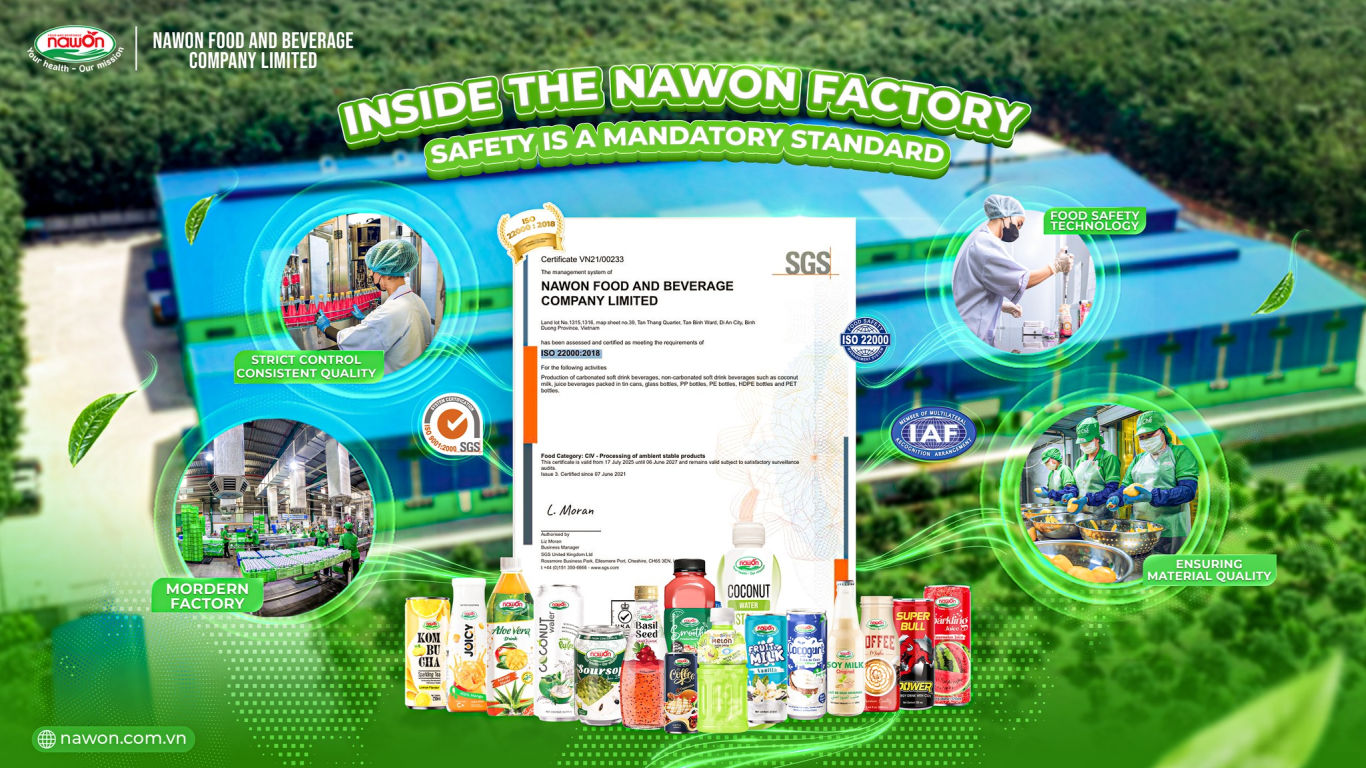
Companies engaged in private-label beverage development or seeking OEM beverage manufacturing can rely on NAWON. As a global beverage manufacturer, NAWON provides robust production capacity and comprehensive export capabilities to support international B2B buyers.
Nawon ensures global market readiness by:
- Operating facilities certified by rigorous international standards, including FDA, Halal, ISO, and BRCGS.
- Managing complex export logistics to ensure safe and compliant delivery to strict international markets.
- Maintaining an active presence at major global F&B trade fairs to connect with international partners and stay ahead of beverage trends.
Successfully developing and launching a new beverage demands a rigorous approach to market research, realistic financial planning, and a deep understanding of supply chain mechanics. Avoiding the temptation to overcomplicate the product line and prioritizing commercial formulation stability are critical steps for long-term survival.
The most effective strategy for mitigating these risks is to secure the right manufacturing partner early in the process. Professional guidance ensures that your product is scalable, compliant, and ready for the competitive retail environment.
FAQ
What is the most expensive part of beverage product development? The most expensive aspects are usually the minimum order quantities for commercial production runs and the upfront costs for custom packaging materials. Sourcing high-quality ingredients at a commercial scale also requires significant capital.
How long does it take to develop a new beverage from concept to production? The timeline varies, but it typically takes between 6 and 12 months. This period includes formulation, flavor refinement, shelf-life testing, packaging sourcing, and scheduling the initial production run.
Why do I need a food scientist for my beverage formulation? A food scientist ensures that your recipe is safe, shelf-stable, and scalable. They manage pH levels, select the right preservatives or thermal processing methods, and ensure the product maintains its flavor and appearance over time.