




Coconut Water Blends: Creamy, Plant-Based Hydration with Dessert-Inspired Flavors
Coconut water blends are opening a new lane in the beverage world. For years, coconut water was known for one thing: clean, tropical hydration. Then came fruit-mixed versions that added flavor while staying light. Now the category is evolving again. Coconut water blends combine the naturally refreshing profile of coconut water with more decadent, more indulgent flavors like chocolate, matcha, pistachio, and caramel. The result is a drink that feels smooth and satisfying, but still fits the modern demand for better choices.
These products are not trying to be “just another flavored coconut water.” They are built to deliver a different experience: a creamy texture, a dessert-style taste, and a more filling feel, while maintaining a plant-based identity. That is why coconut water blends are attracting the attention of brands, distributors, and consumers across multiple markets.
This article explains what coconut water blends are, why they are growing fast, which flavors perform well, how to formulate and position them, and what to consider if you are developing this category under an OEM or private label model.
What are coconut water blends?
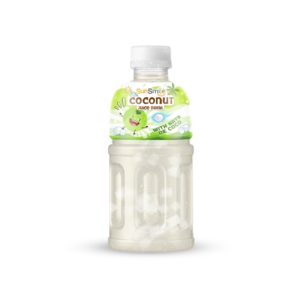
Coconut water blends are beverages that use coconut water as the base and combine it with other ingredients to create a richer taste and a smoother mouthfeel. Unlike classic coconut water with fruit juice, blends often aim for a “creamy drink” experience.
Depending on the formula, a coconut water blend may include:
- Cocoa or chocolate flavor components
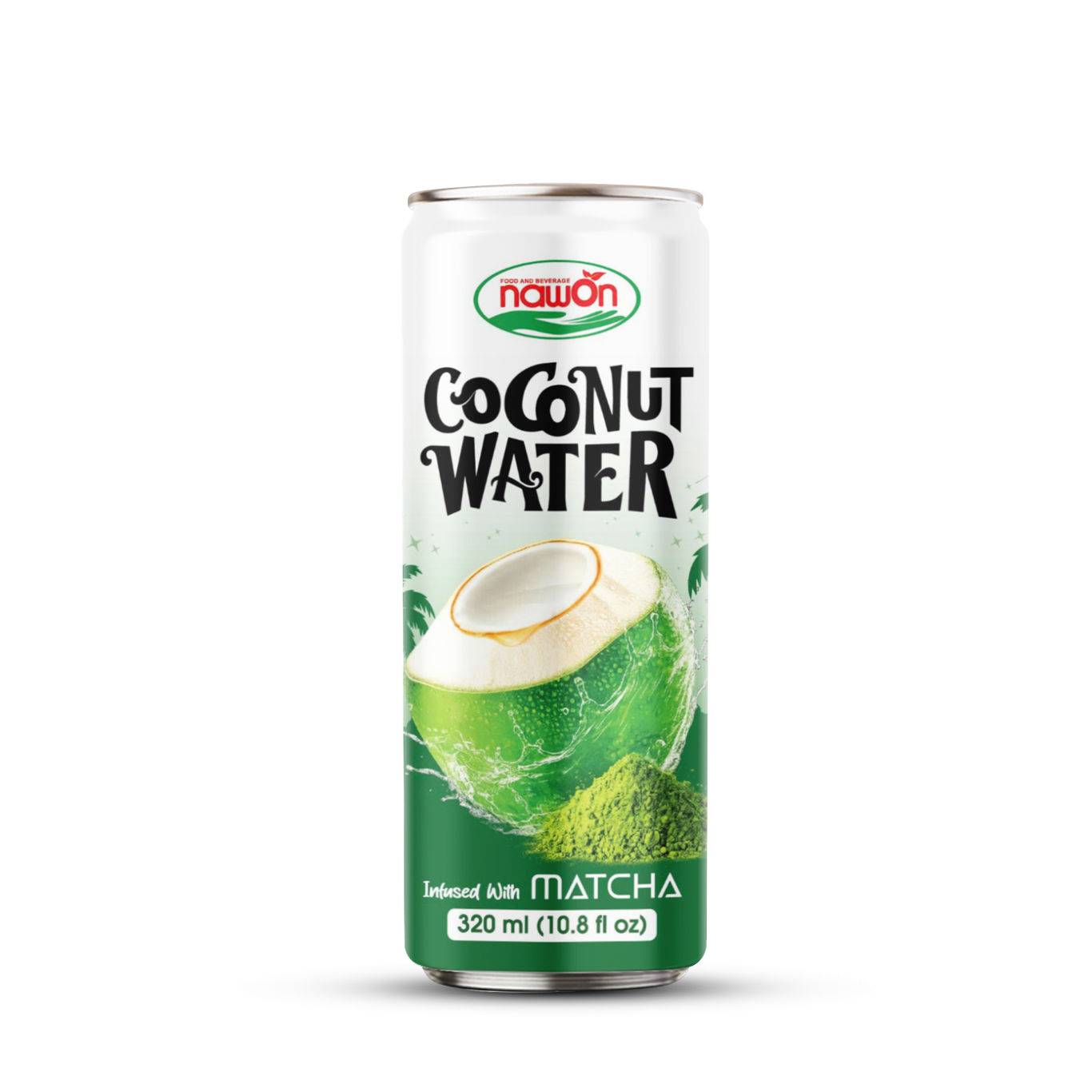
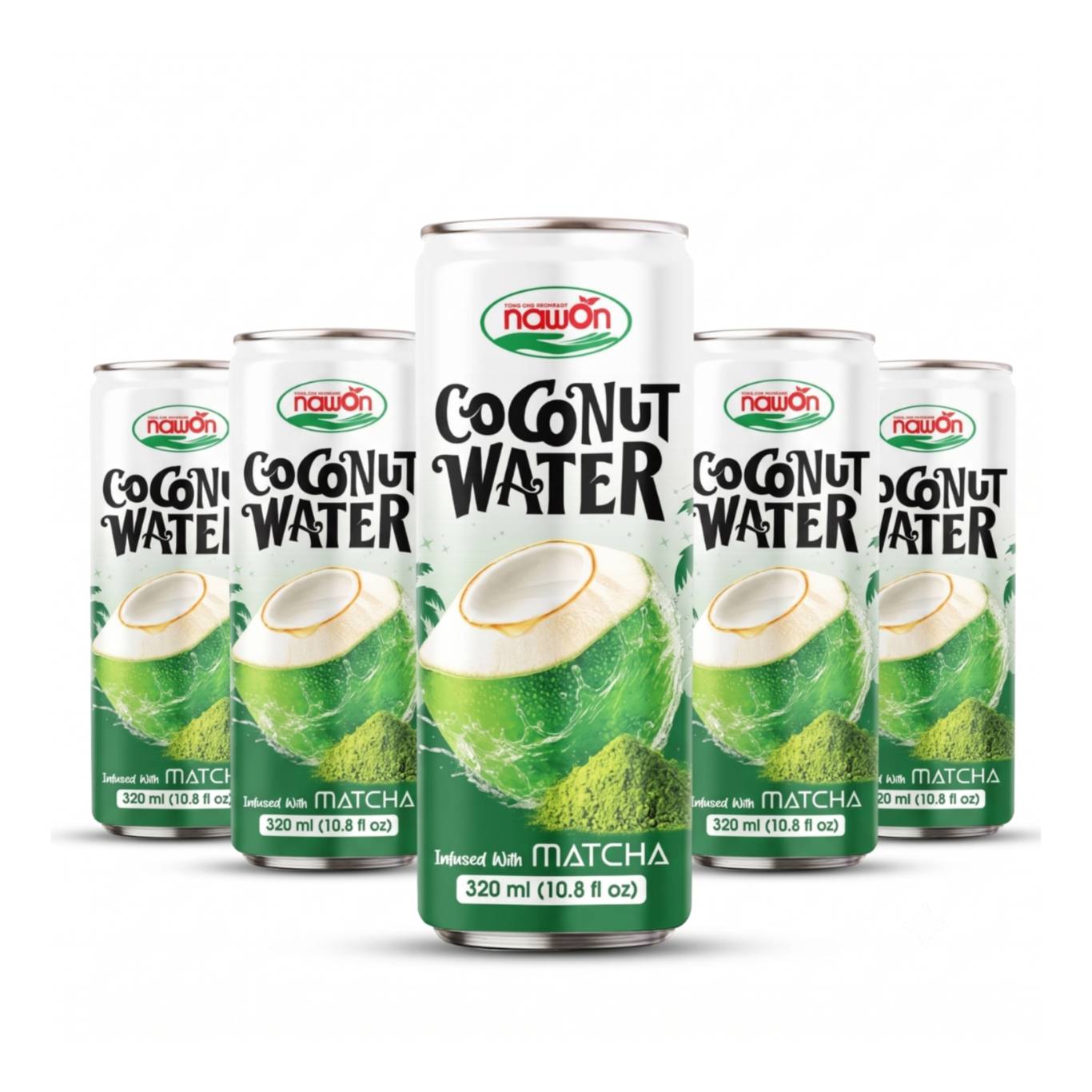
- Matcha or tea extracts
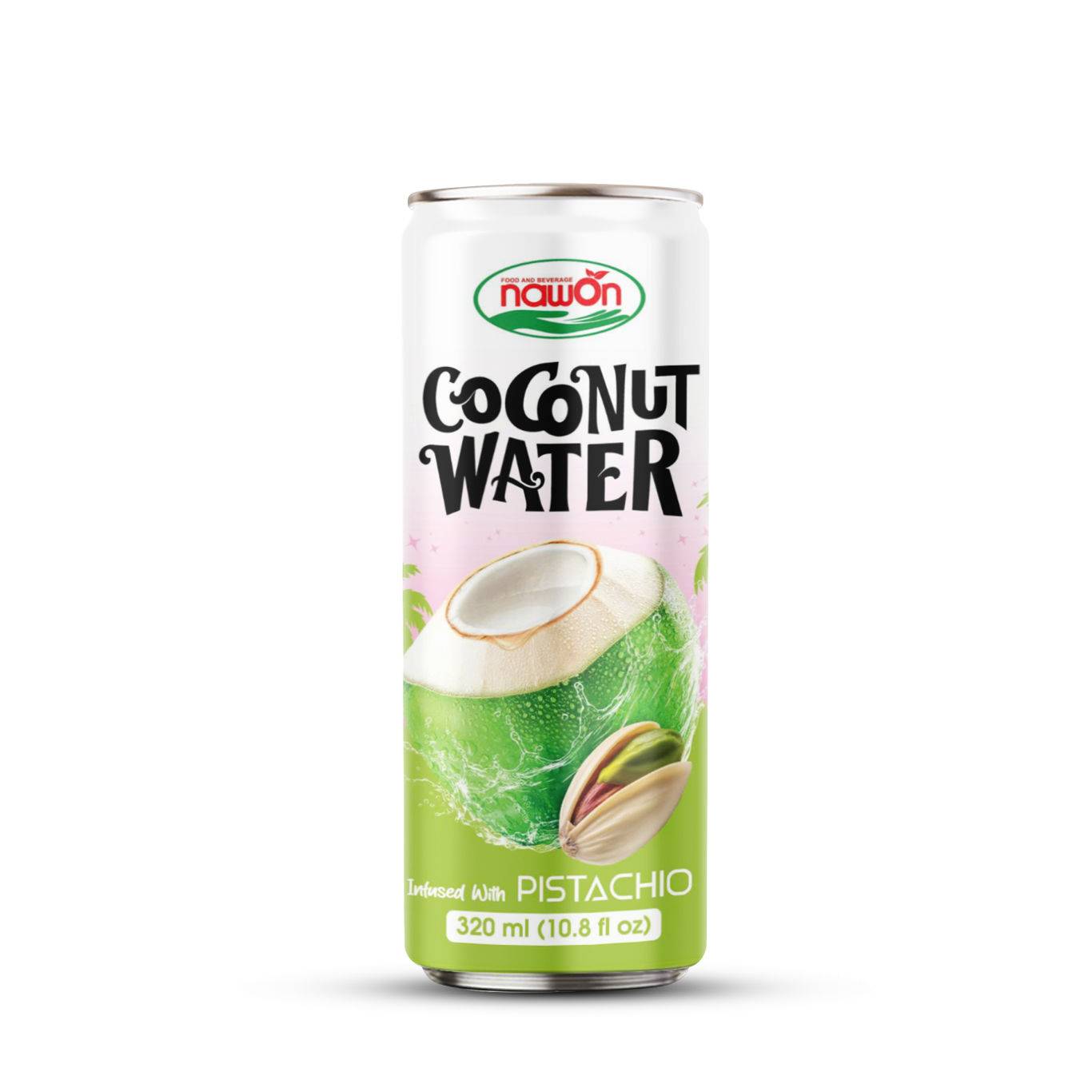
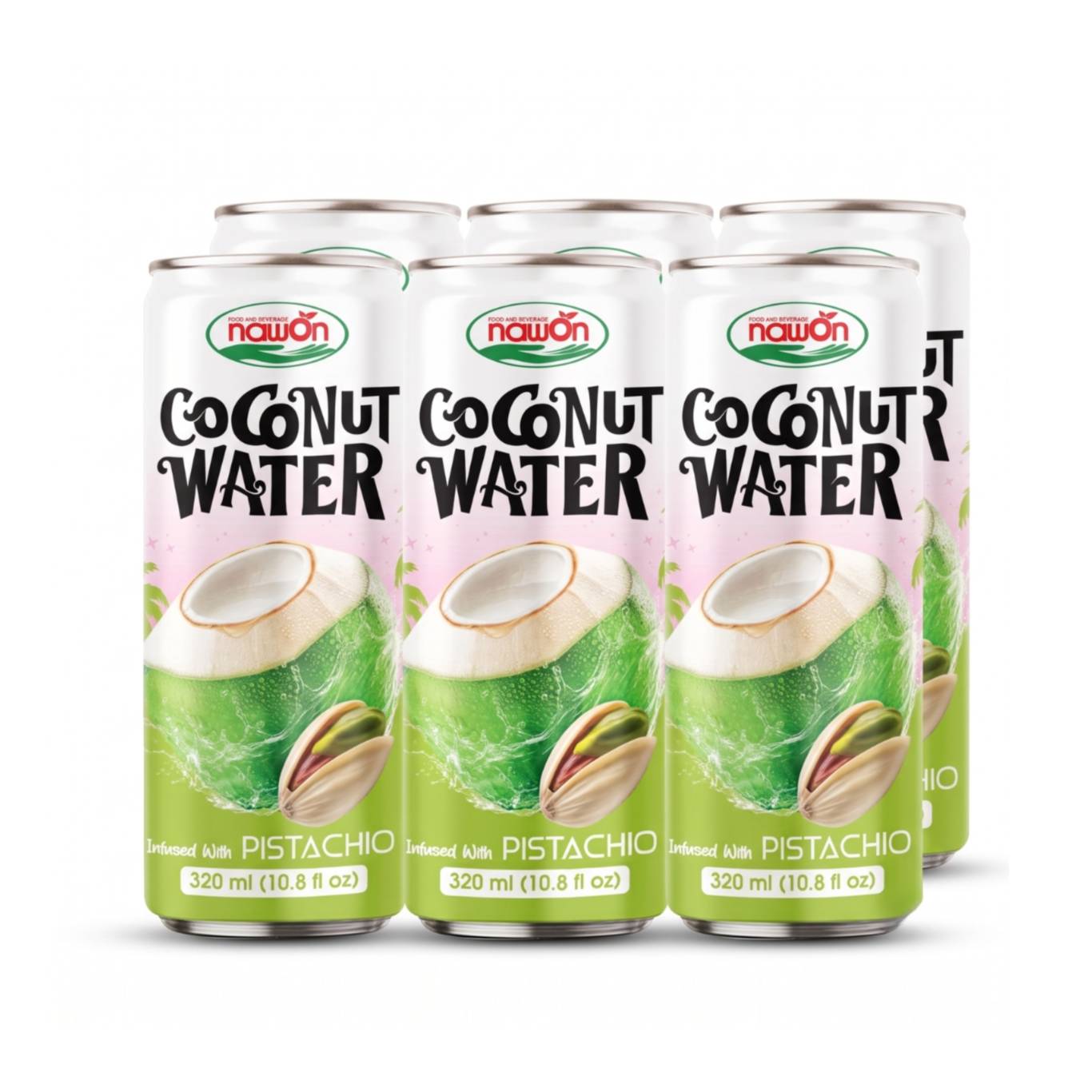
- Nut-inspired flavors like pistachio
- Caramel-style flavor notes
- Plant-based ingredients that support a smooth texture
- Optional functional positioning, such as hydration-focused messaging
The key is not just the flavor. It is the way the drink feels in the mouth. A good coconut water blend has a soft texture and a satisfying finish, closer to an indulgent beverage than a milkshake, but lighter.
Why coconut water blends are trending
Consumers want “better-for-you” indulgence.
People are not giving up cravings for dessert flavors. They are simply looking for versions that feel cleaner and easier to fit into daily routines. Coconut water blends meet that demand by delivering flavor satisfaction without a heavy dairy identity.
Plant-based continues to expand beyond dairy alternatives.
A few years ago, plant-based meant oat milk, almond milk, or soy. Today, consumers are open to more formats, including plant-based “treat drinks” with new ingredients and textures. Coconut water blends fit naturally into this space.
The market is saturated with fruit flavors.
Fruit coconut water remains popular, but many shelves now look the same: mango, pineapple, lychee, passion fruit. Blends offer a way to stand out with flavors that feel premium and unexpected.
Texture is a significant competitive advantage.
In many beverage categories, taste alone is not enough. Texture creates differentiation. A creamy coconut water blend delivers a more memorable drinking experience, which helps repeat purchase and brand loyalty.
Coconut water blends vs coconut water with fruit juice.
Both categories use coconut water, but they serve different consumer needs.
Coconut water with fruit juice is usually:
- lighter
- bright and fruity
- closer to classic refreshment
Coconut water blends are usually:
- creamier
- more indulgent
- positioned as a treat with functional benefits
If fruit juice or coconut water is what consumers drink on a hot day for refreshment, coconut water blends are what they choose when they want hydration plus a more satisfying flavor experience.
What makes a coconut water blend feel “creamy”?
Creaminess is created through formulation. The goal is to improve mouthfeel while keeping the drink smooth and stable over shelf life. Common elements include:
- balancing solids and liquids so the drink feels fuller
- selecting ingredients that support texture without becoming heavy
- building flavor layers so the finish feels rich but clean
From a consumer perspective, “creamy” should mean:
- smooth body
- no watery finish
- no gritty texture
- pleasant aftertaste
The best blends feel indulgent, but not sticky or overly sweet.
Best-selling and high-potential flavors
The appeal of coconut water blends lies in their creative flavor combinations. Here are options that tend to attract attention across markets:
Chocolate
Chocolate is familiar, comforting, and easy to understand. A chocolate coconut water blend can be positioned as a lighter alternative to chocolate milk or a “treat hydration” drink.
Matcha
Matcha signals wellness and premium quality. It also pairs well with coconut’s natural profile. Matcha coconut water blends can fit cafés, lifestyle retail, and wellness-focused consumers.
Pistachio
Pistachio feels premium and modern. It creates a “dessert drink” vibe that stands out on the shelf. It works well for brands targeting younger consumers and trend-driven markets.
Caramel
Caramel adds warmth and indulgence. It can be used alone or layered with other notes. Caramel is especially strong in markets where coffeehouse flavors are popular.
How consumers use coconut water blends
Coconut water blends succeed because they fit multiple use cases:
- Afternoon treat: a smooth break between meals
- On-the-go snack replacement: when consumers want a drink that feels more filling
- Post-workout refreshment: especially for light to moderate routines
- Coffeehouse alternative: matcha or caramel profiles can compete with café drinks
- Dessert replacement: a sweet moment without heavy dairy
These use cases help brands position blends beyond “hydration only.” They become part of lifestyle consumption.
Are coconut water blends healthy?
Health positioning depends on the ingredient and sugar strategy. Many consumers search for coconut water blends because they want a drink that feels indulgent but still “clean.”
To align with better-for-you expectations, brands often focus on:
- plant-based identity
- controlled sweetness levels
- transparent ingredient list
- clear nutritional positioning
- avoiding heavy, artificial taste
An innovative approach is to keep messaging grounded:
- Focus on “plant-based” and “better alternative to sugary milkshakes.”
- avoid overpromising outcomes
- Let the ingredient story and nutrition facts support credibility
How a manufacturer can help brands win
A strong coconut water manufacturer does more than produce. The right partner helps with:
- flavor innovation and sensory testing
- texture optimization
- packaging options
- export-ready documentation
- consistent batch performance
This is especially important for coconut water blends, because they are more complex than plain coconut water. Stability and consistency are key to building trust with distributors and consumers.
FAQ: Coconut water blends
Are coconut water blends the same as coconut milk drinks?
Not necessarily. Coconut milk drinks are made with coconut milk, which is richer and higher in fat. Coconut water blends use coconut water as the base and aim for a lighter, creamy experience.
Do coconut water blends contain dairy?
Many are positioned as plant-based and dairy-free, but it depends on the formula. Always check the ingredient list if dairy-free is essential.
Which flavor is the best for a first launch?
Chocolate is usually the easiest entry flavor. Matcha is substantial for premium wellness markets. Pistachio is best for differentiation.
Are coconut water blends suitable for daily drinking?
Many consumers enjoy them as an occasional treat or daily lifestyle drink, depending on the sweetness and personal diet goals.
Final thoughts
Coconut water blends are not a slight trend. They represent a fundamental shift in what consumers expect from hydration beverages. People want drinks that feel good, taste indulgent, and still align with plant-based and better-for-you lifestyles. That is precisely where coconut water blends sit.
For brands, this category offers space to innovate beyond fruit flavors and build signature products that stand out globally. For consumers, it provides a smooth, satisfying alternative to sugary milkshakes and other sweet beverages, without sacrificing great taste.