
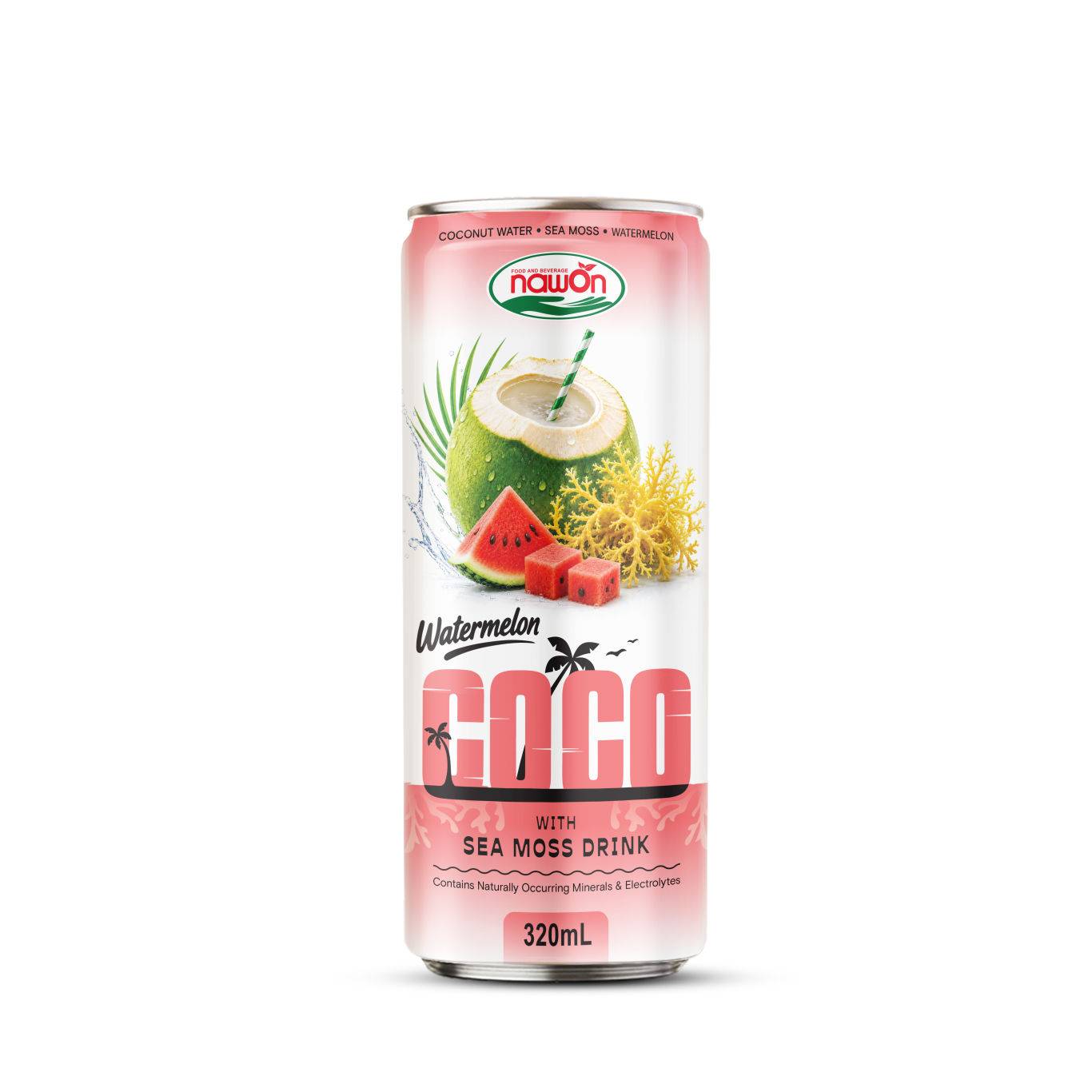
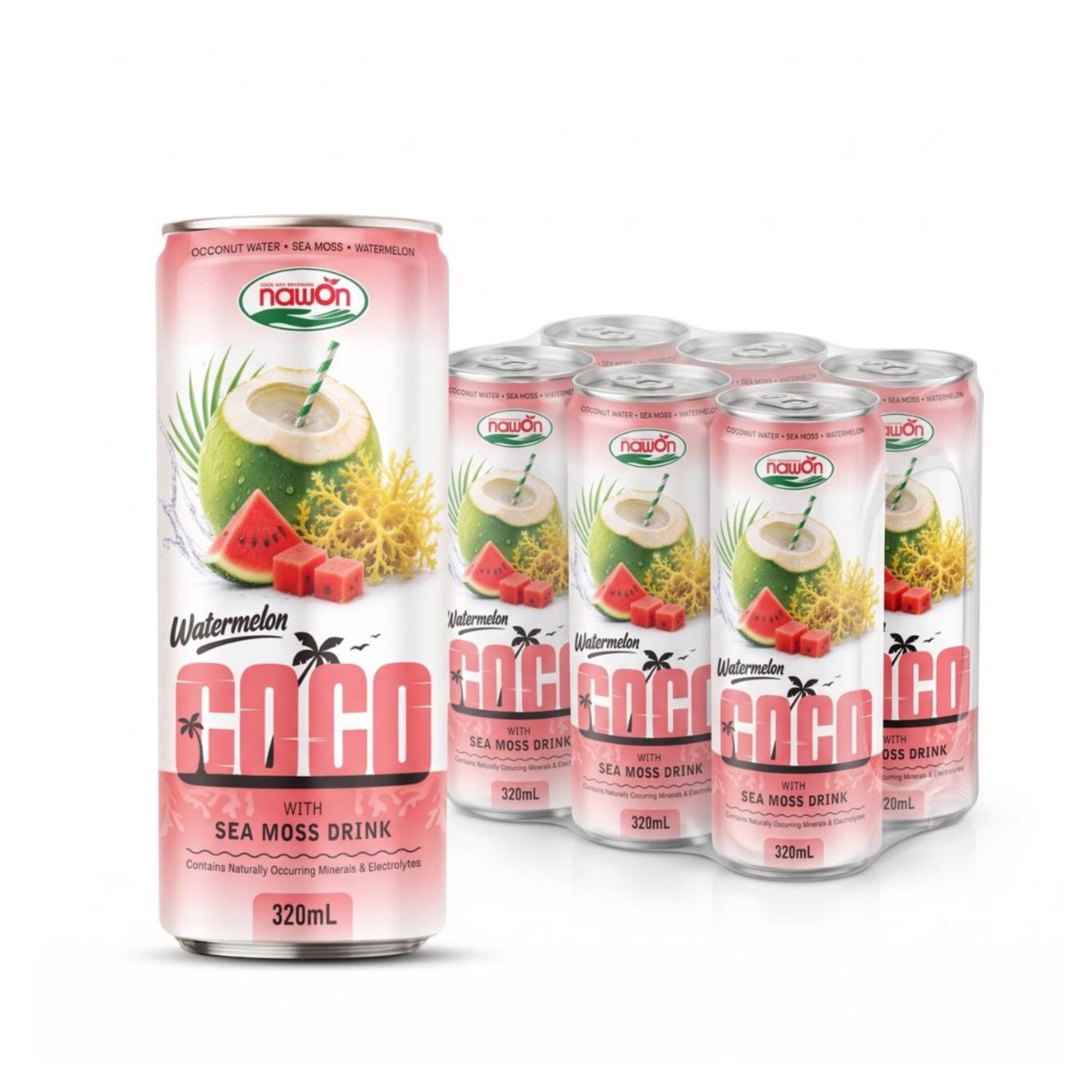
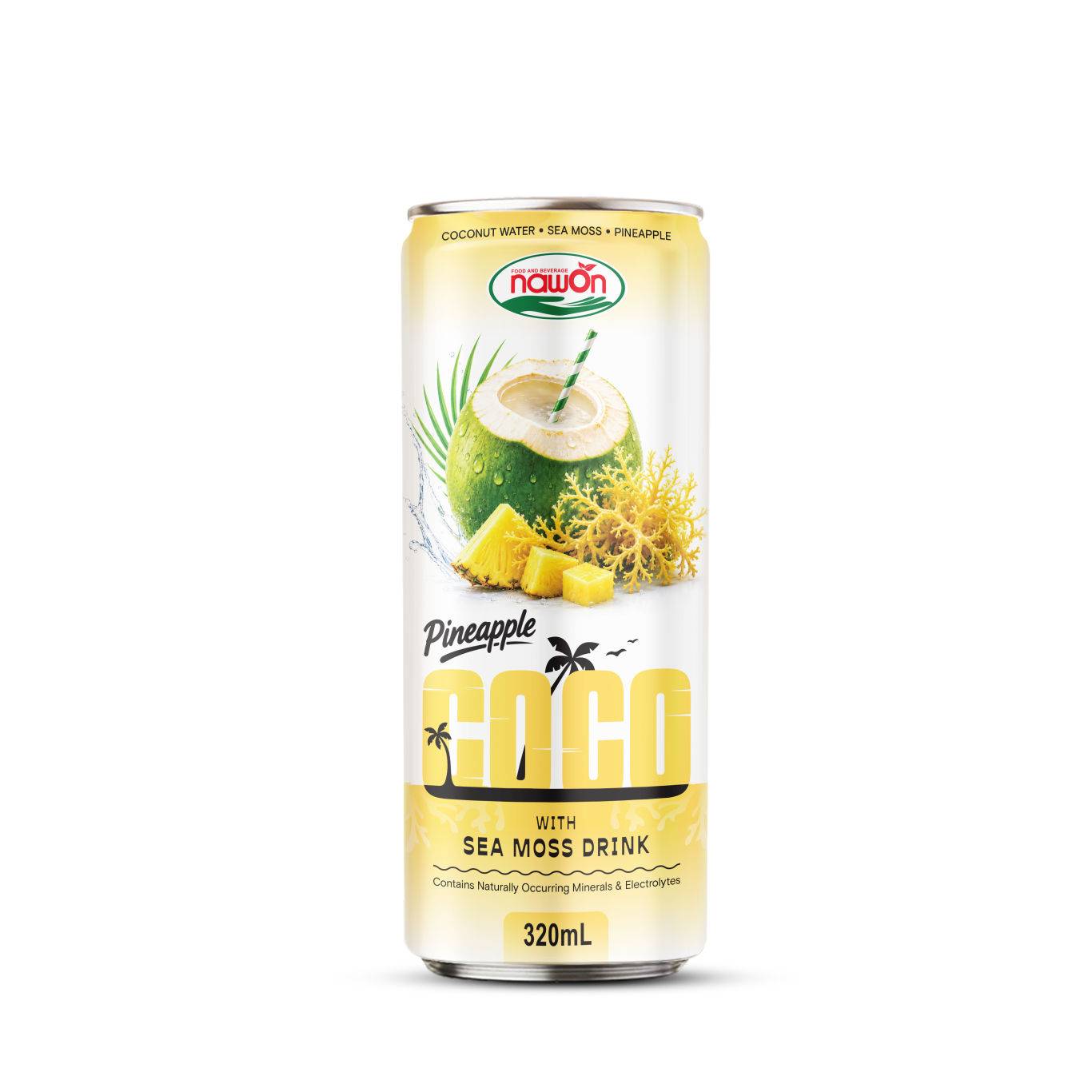
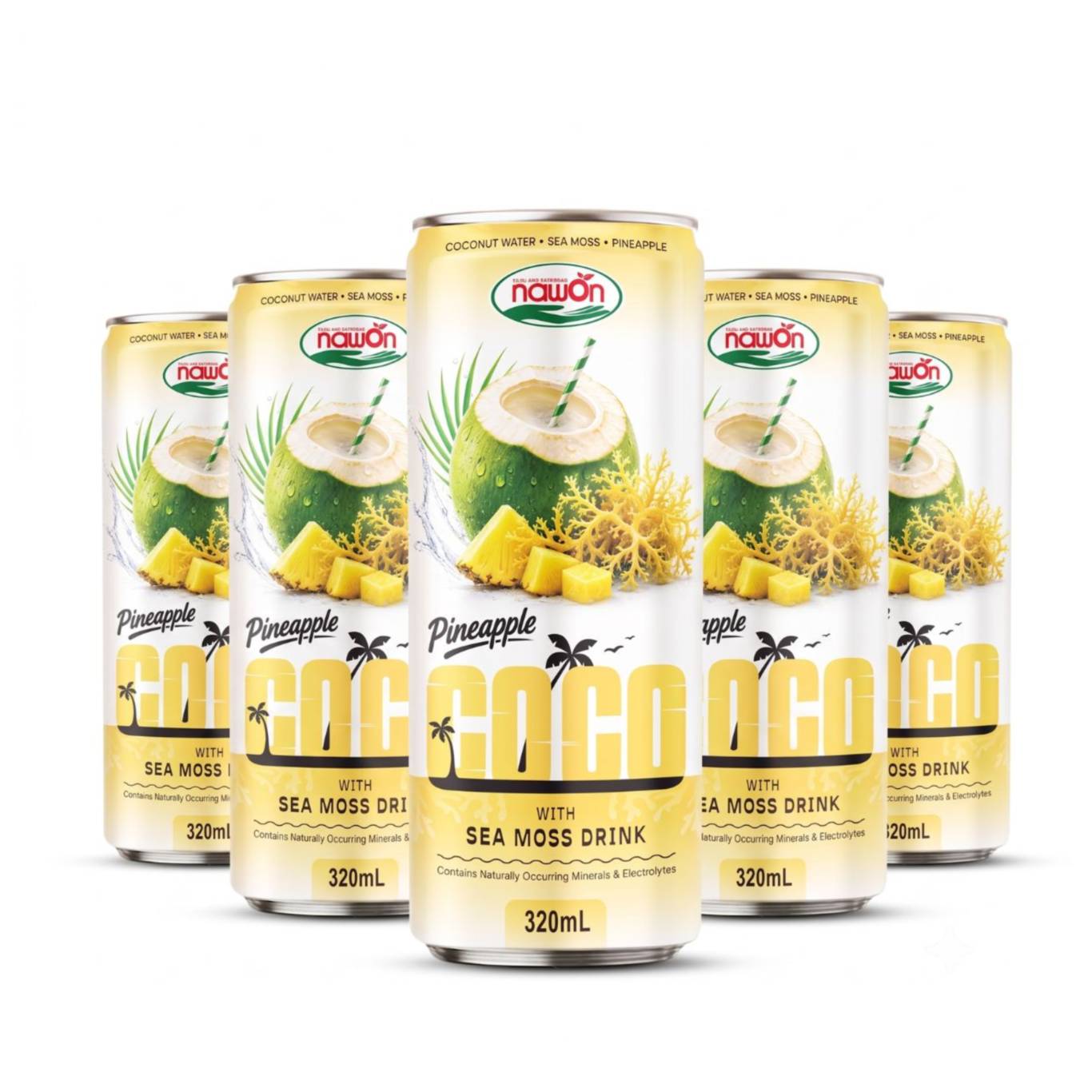
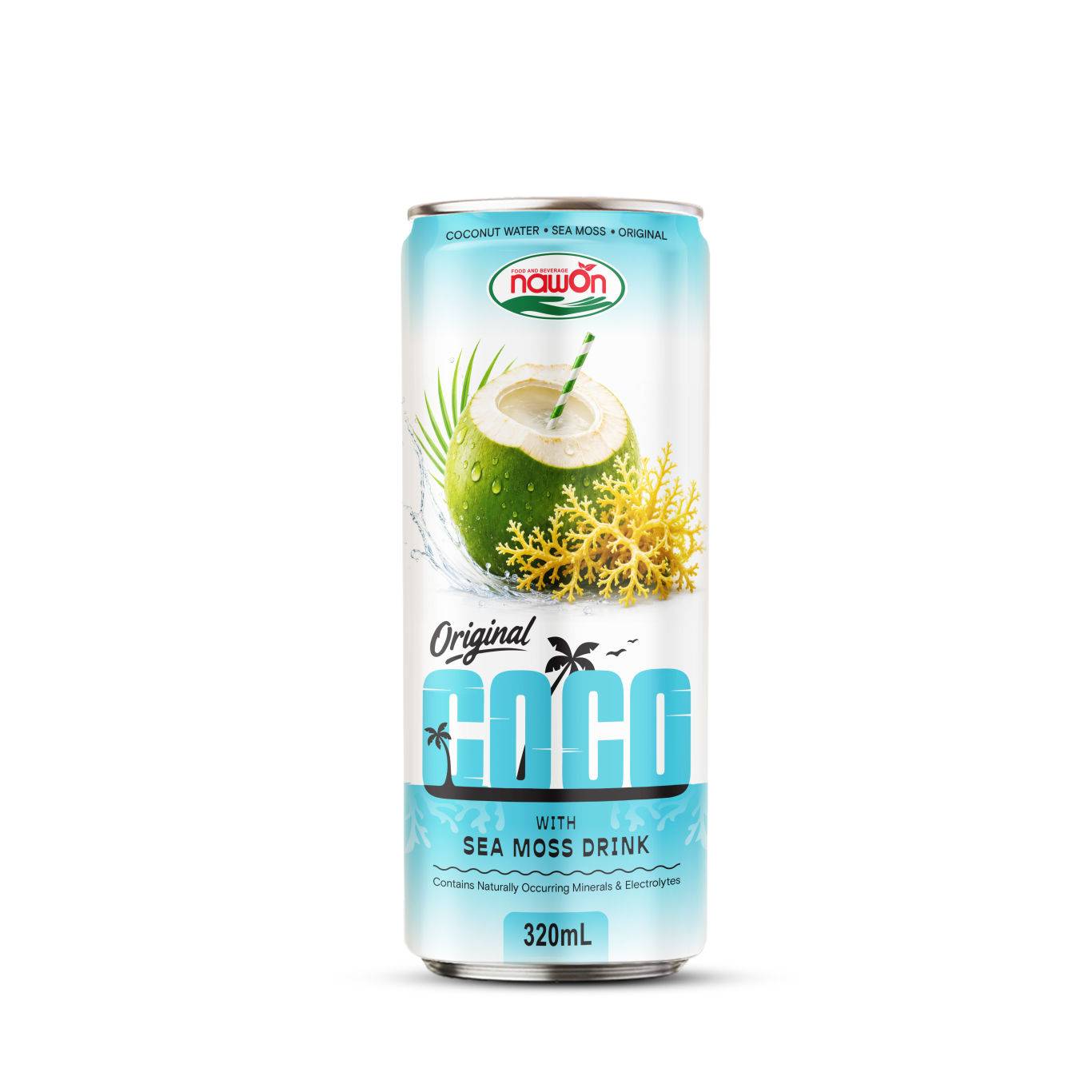
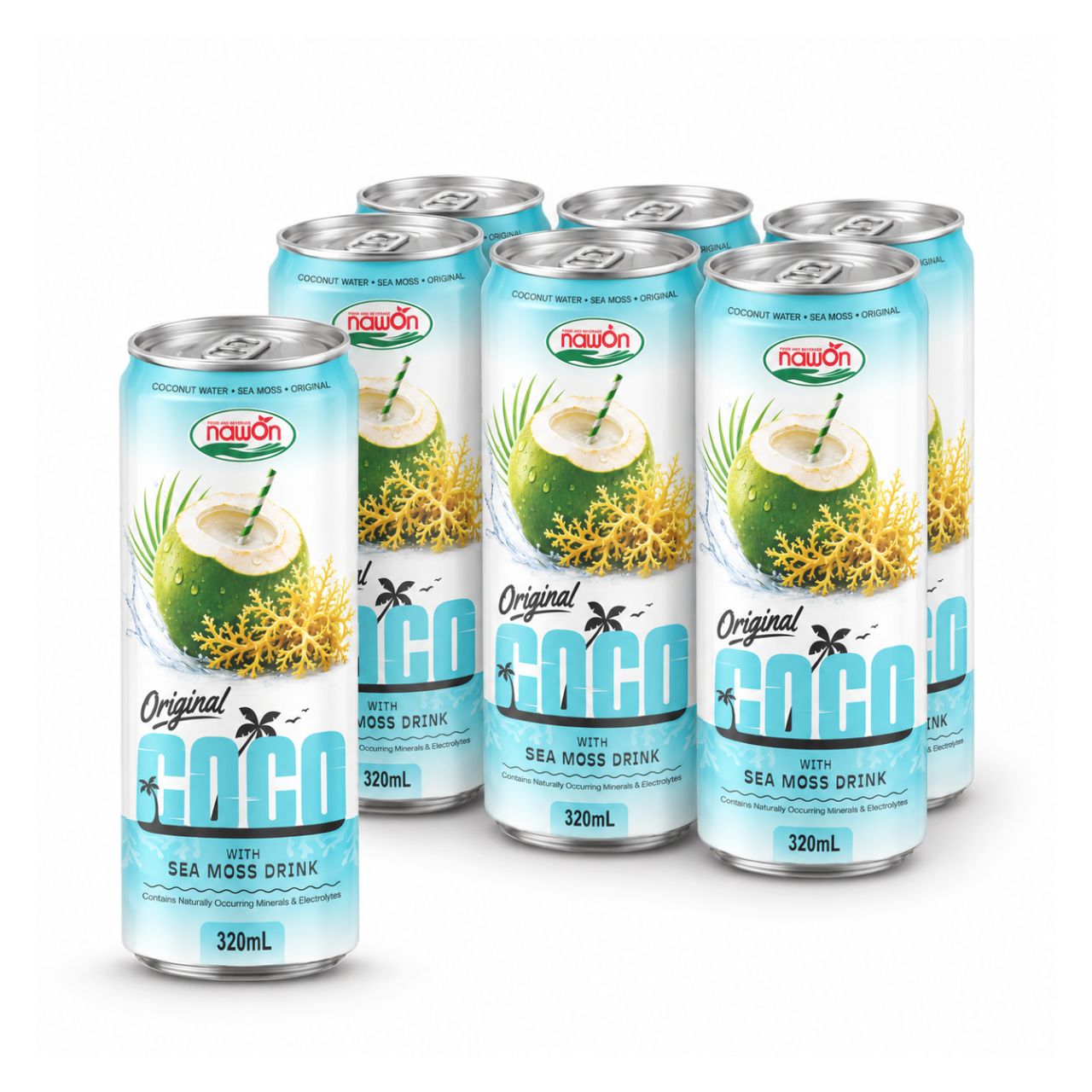
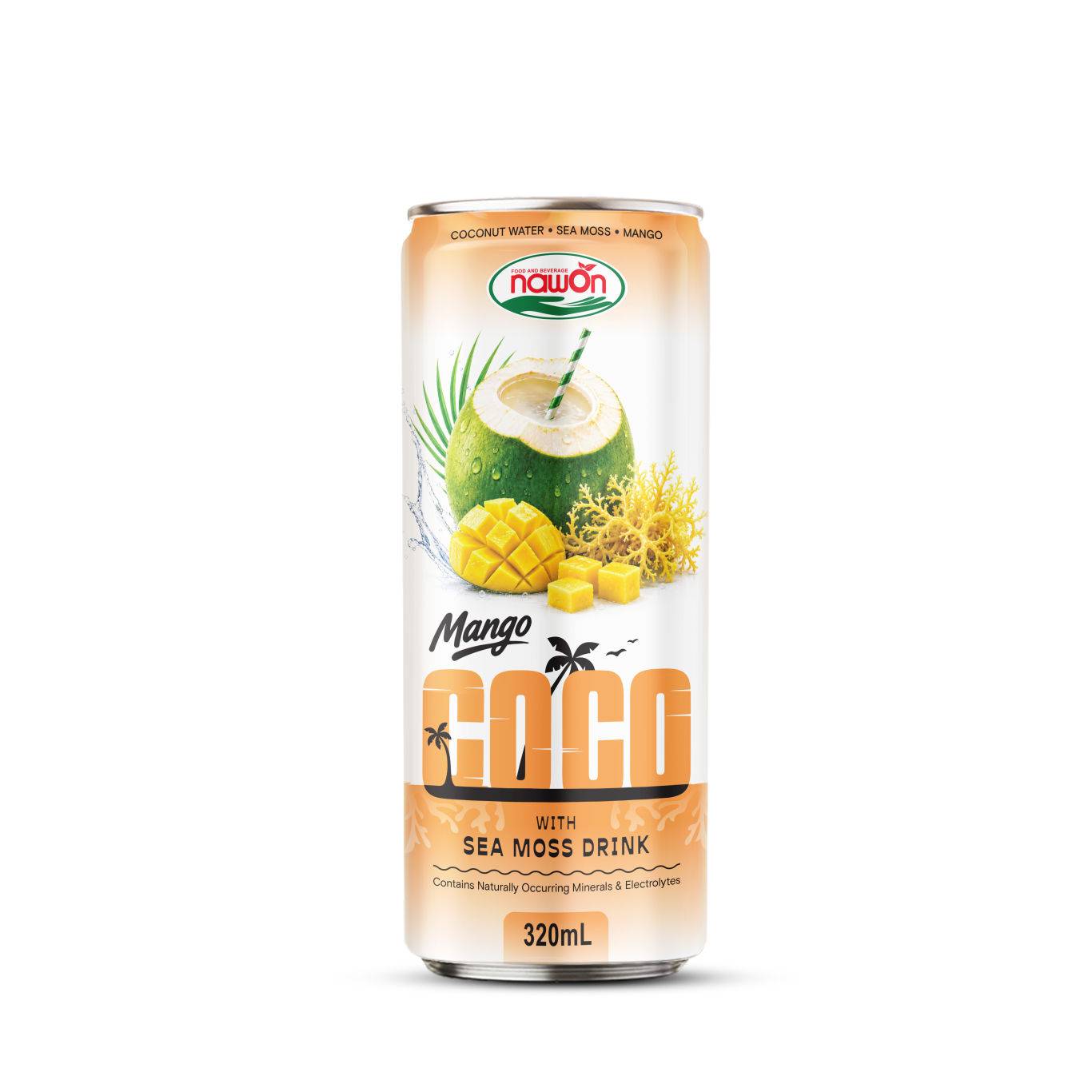
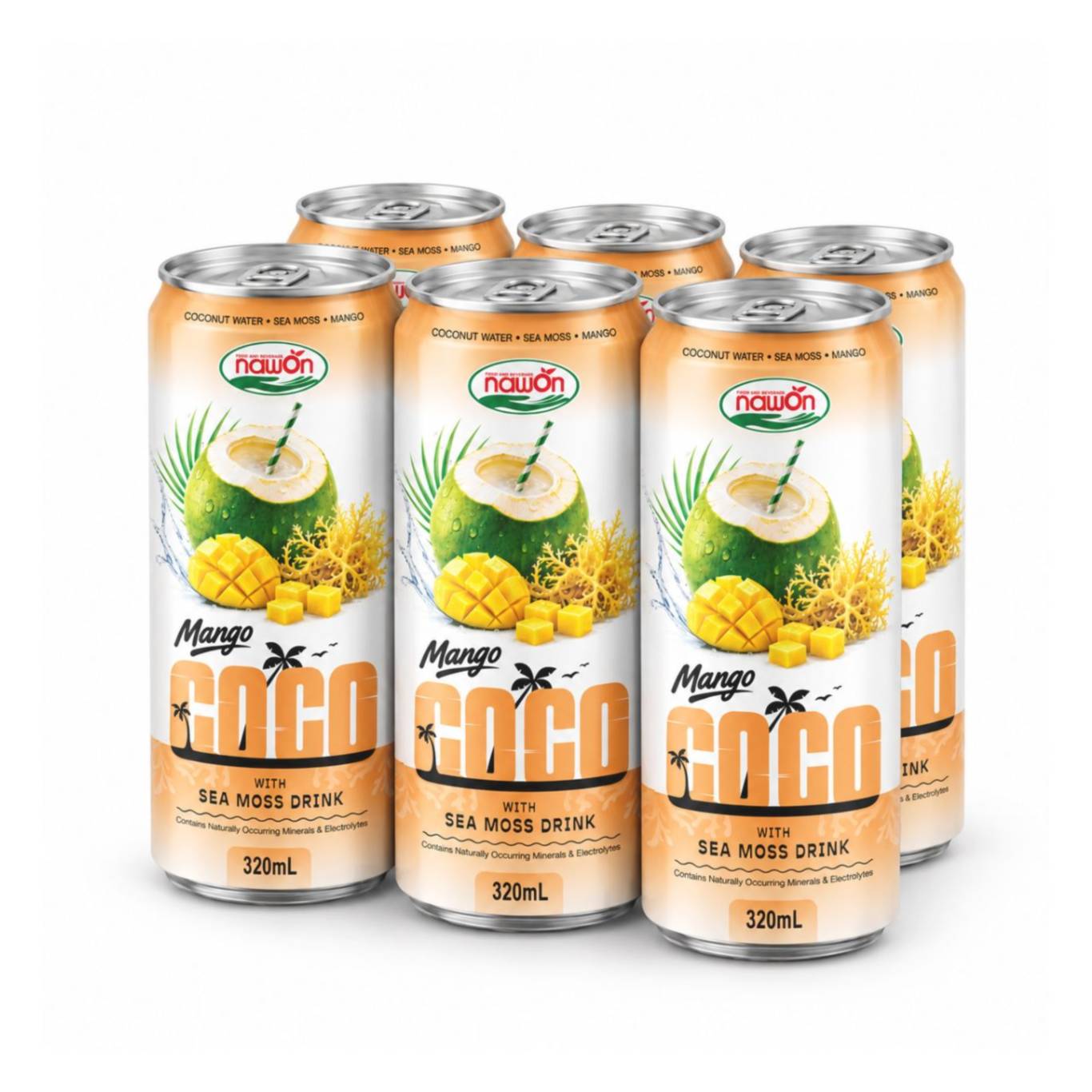
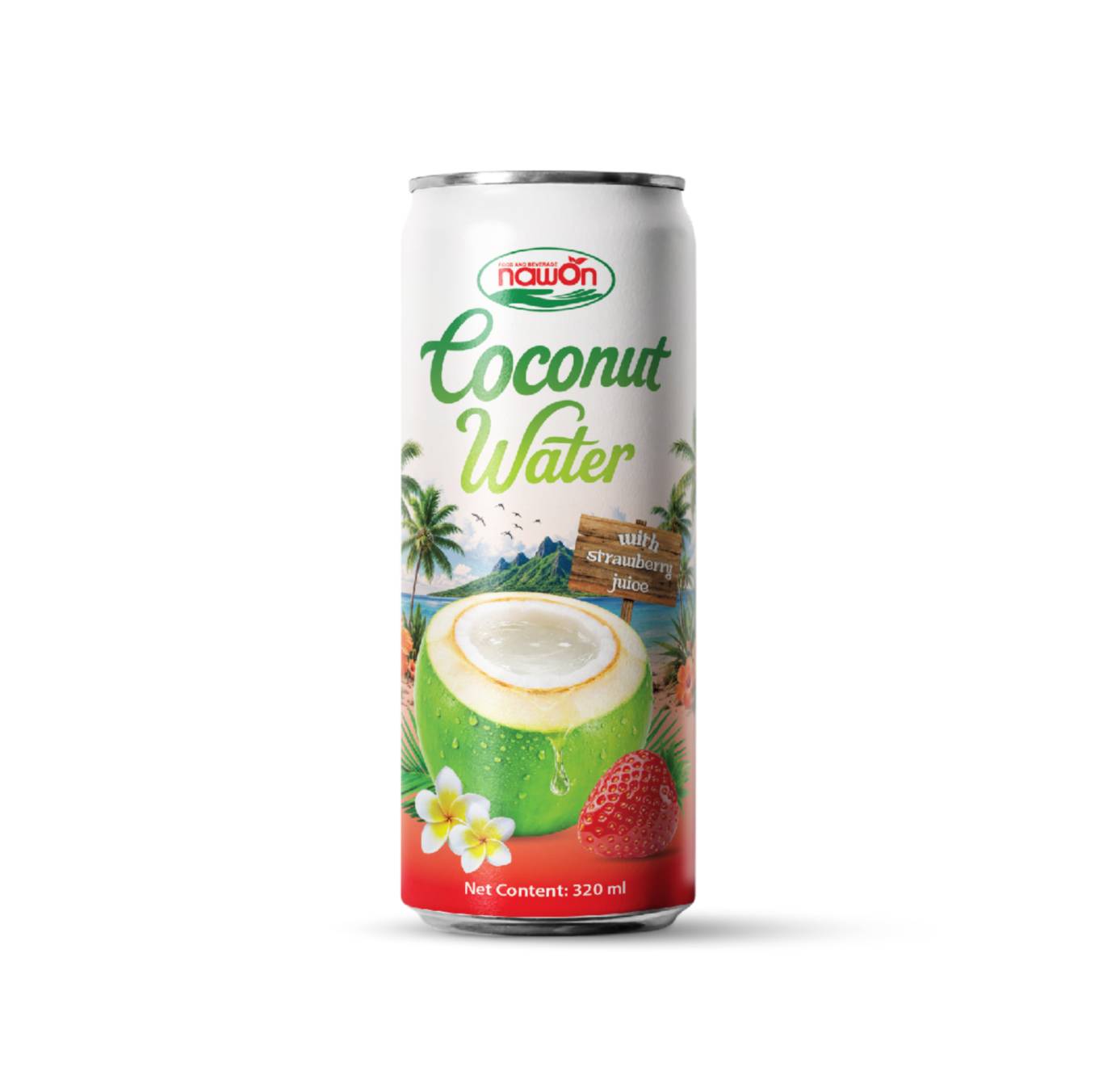
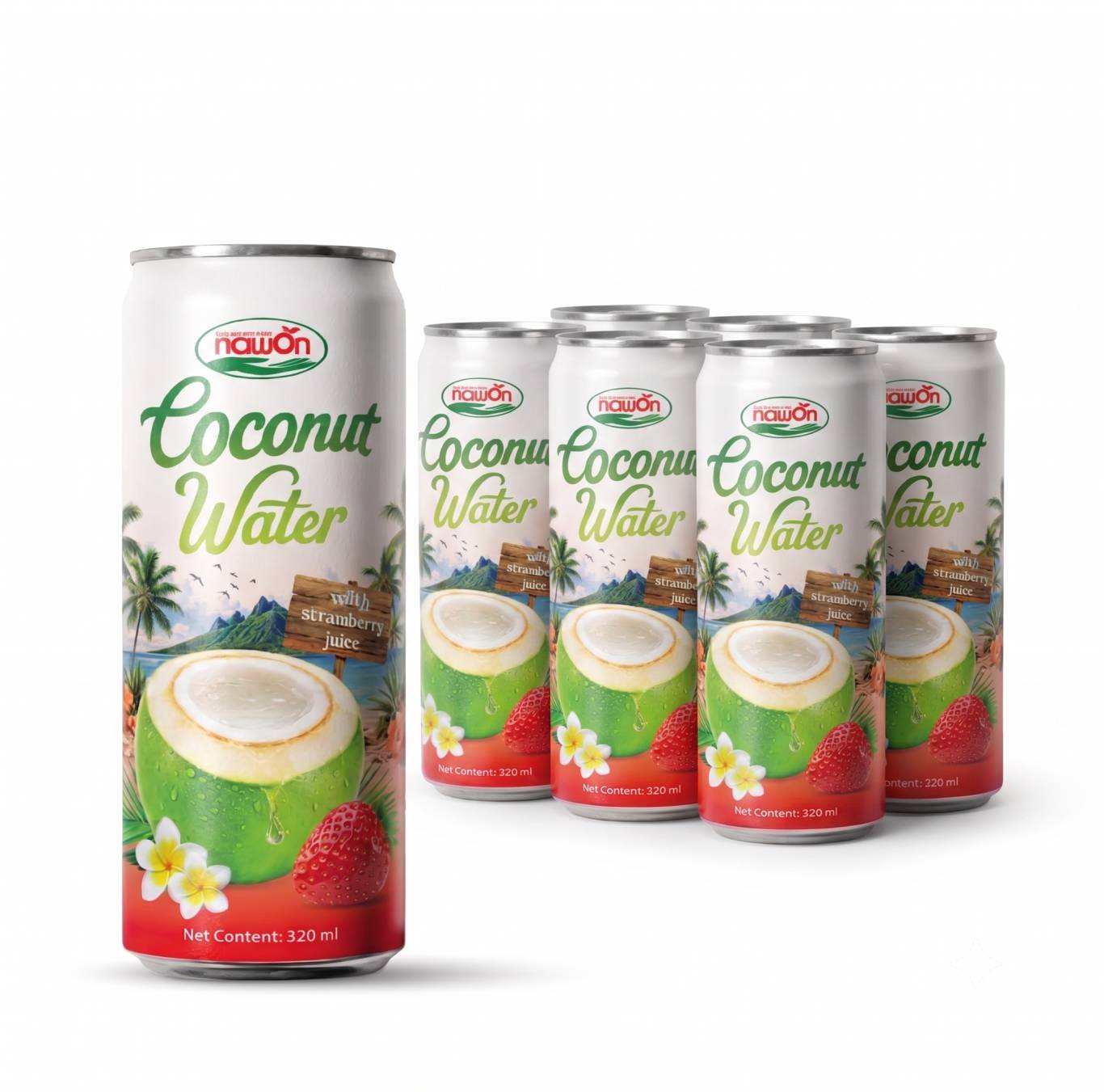
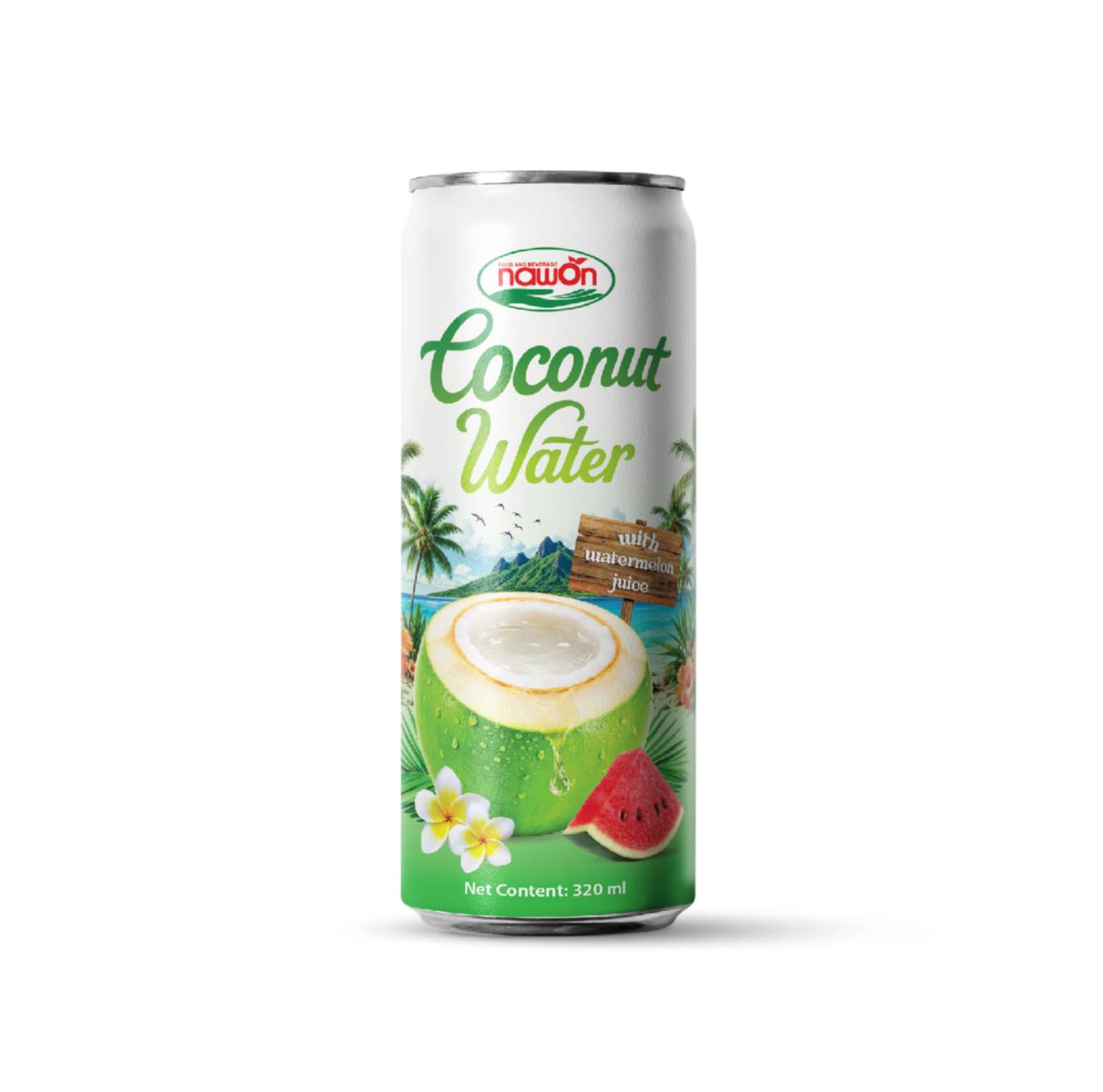
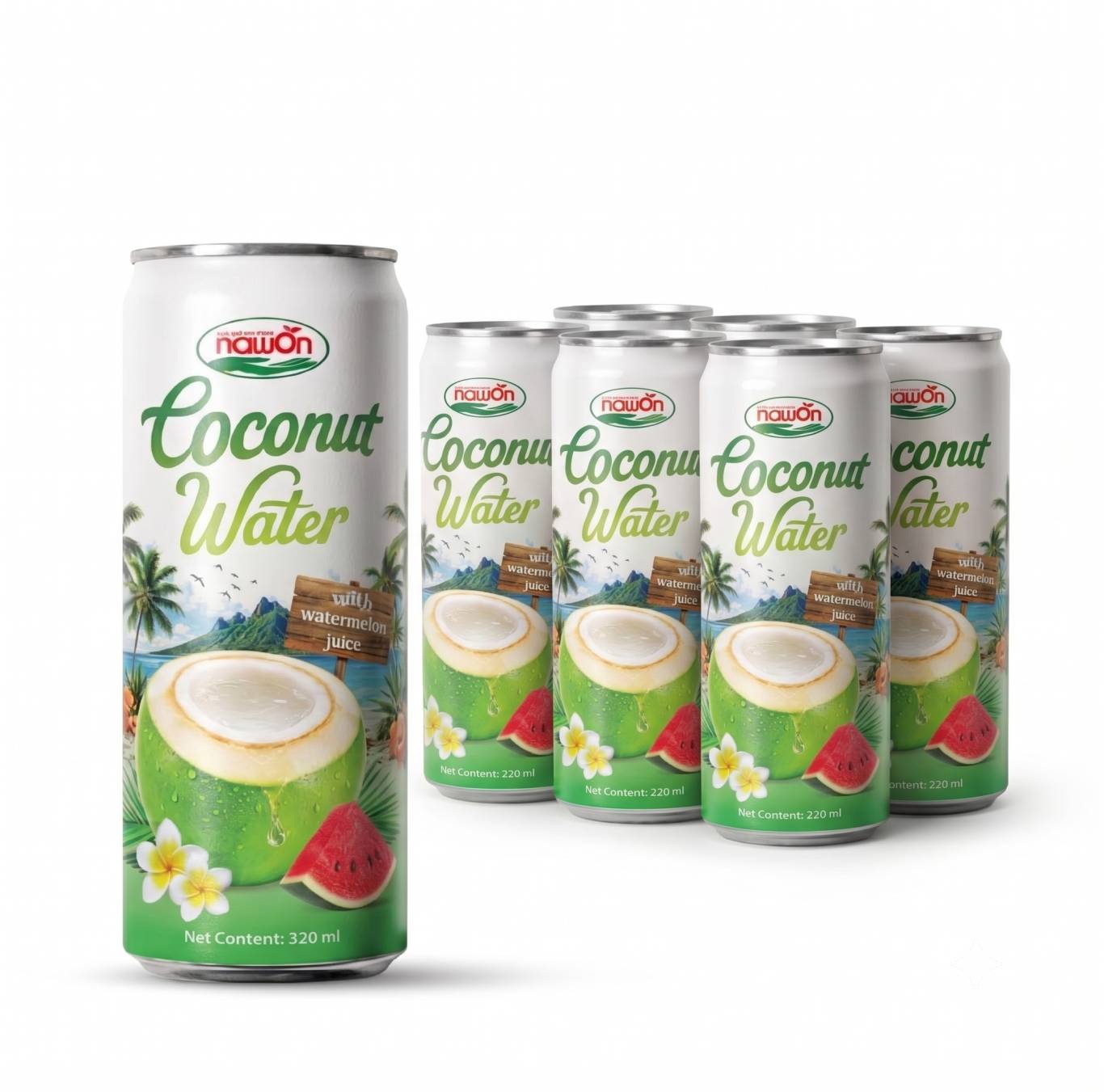


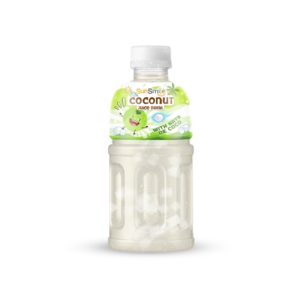


Coconut Water with Fruit Juice: A Fresh, Flavorful Take on Everyday Hydration
Coconut water with fruit juice is having a real moment, and it is easy to see why. Plain coconut water is refreshing, but not everyone loves the taste. Fruit juice adds brightness and a familiar flavor, so the drink feels more fun and easier to reach for. At the same time, it can still fit a “better choice” mindset compared with many sugary sodas and heavy juice drinks, especially when the recipe is kept simple.
If you are searching for coconut water with fruit juice, you are probably looking for three things: good taste, a cleaner feel, and a drink you can enjoy often. This article breaks down what it is, what to look for on the label, and how brands can build a strong product line that people actually repurchase.
What is coconut water with fruit juice?
It is precisely what it sounds like: coconut water blended with fruit juice. Coconut water usually provides the base and a light, refreshing body. The fruit juice adds aroma, sweetness, and a clearer flavor direction.
Depending on the brand and market, the fruit component may be:
- Fruit juice (not from concentrate)
- Juice from concentrate
- A blend of juices
- Coconut water plus fruit puree, in some cases
You will also see variations like “made with real fruit juice” or “with natural fruit juice.” These can mean different things, so it helps to check the ingredient list.

Why do people like it?
It tastes more approachable than plain coconut water.
Some people find plain coconut water slightly nutty or earthy. A splash of pineapple, mango, passion fruit, or orange makes it taste more familiar. That matters in real life because taste is what drives repeat purchases.
It feels lighter than many juice drinks.
Most juice drinks feel thick or overly sweet. Coconut water tends to keep the drink lighter, especially when the formula is not heavily sweetened.
It fits multiple occasions.
It works as a chilled refresher, a quick drink after a walk or gym session, and an easy option on a hot day. It also performs well in convenience channels because it feels both refreshing and “tropical.”
Is coconut water with fruit juice healthy?
The honest answer is: it depends on the recipe.
Fruit juice contains natural sugars. Coconut water also has naturally occurring sugars. A product can still be a wise choice, but “healthy” should be judged by the details, not the front label.
Here is a practical way to think about it:
- If the drink is made with coconut water and a measured amount of real juice, with no added sugar, it tends to align with what health-minded shoppers expect.
- If the drink contains sugar, syrups, or multiple sweeteners, it may taste great, but it is less aligned with the “better-for-you” intent.
If you are buying it for daily routines, check the nutrition panel and look at the sugar line. If sugar matters to you, choose options labeled “no added sugar” and still verify the ingredients.
How to read the label like a pro
1) Ingredient list first
A cleaner label often looks like:
- Coconut water
- Fruit juice (or fruit juice concentrate)
- Vitamin C (optional, sometimes used for quality stability)
- Natural flavor (optional, sometimes used to reinforce fruit notes)
If you see a long list of sweeteners, flavor boosters, or multiple additives, that is a sign the product is engineered more like a soft drink.
2) Watch the “no added sugar” wording
“No added sugar” means no sugar is added during processing, but the product can still contain natural sugars from juice and coconut water. That is fine, understand what it means.
3) Look for juice content clarity
Some brands specify the fruit juice percentage or highlight “made with real juice.” That transparency builds trust and often serves as a buying trigger.
Best-selling flavor combinations
If you are building a category or choosing what to try first, these flavors usually perform excellently across many markets:
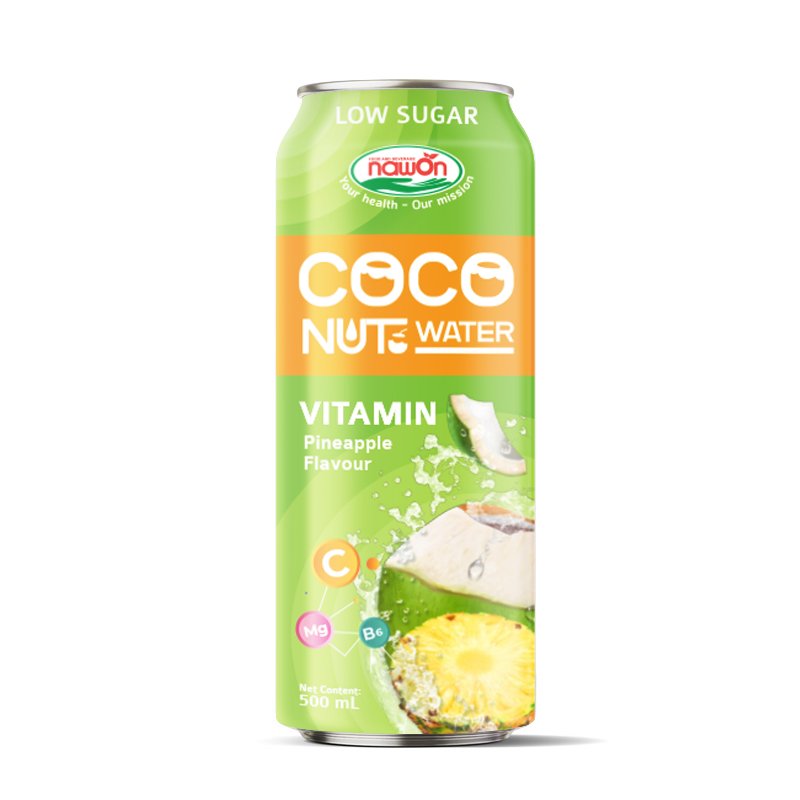
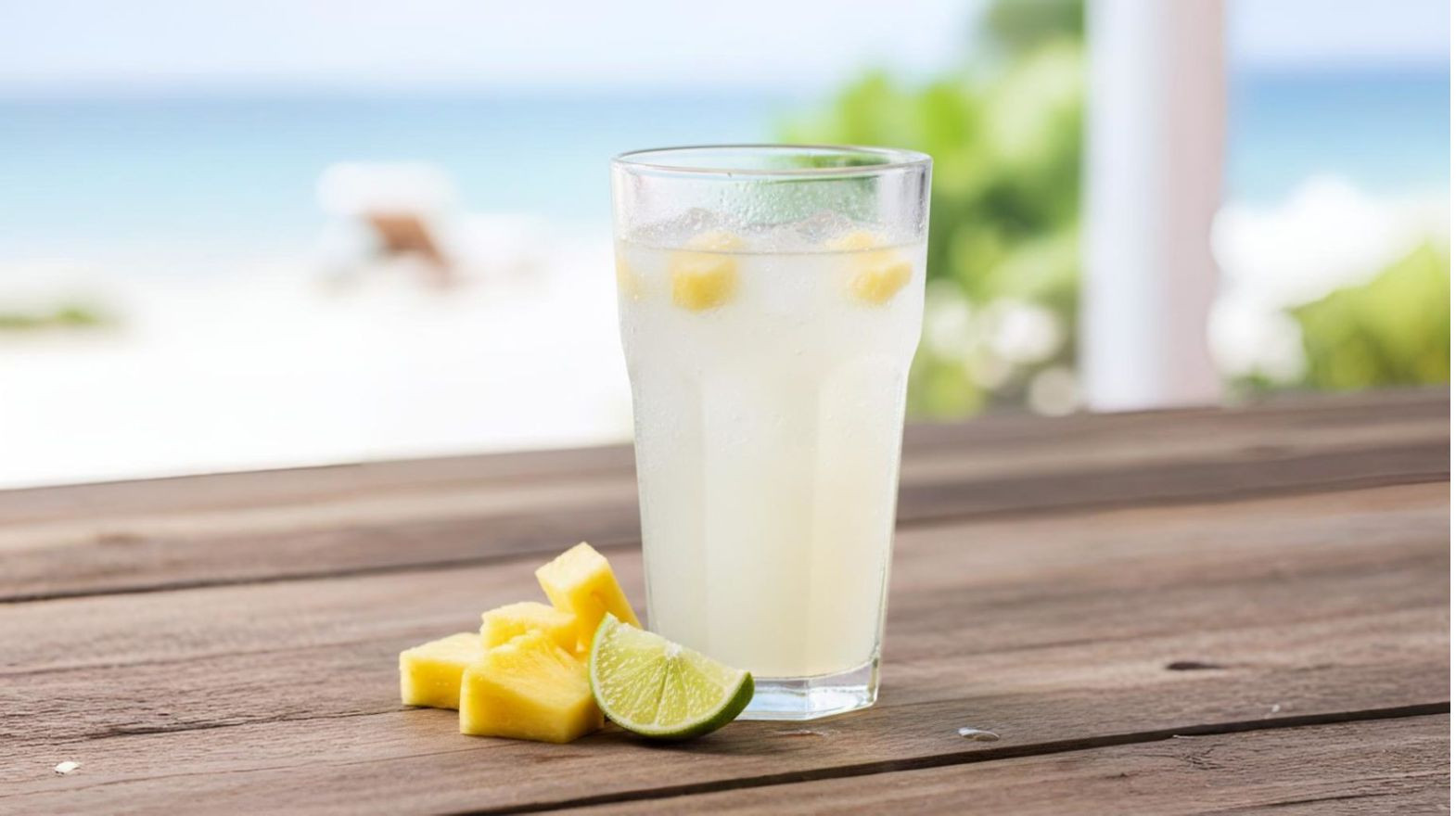
Pineapple
Crisp, bright, and widely liked. Often the safest first-launch flavor.
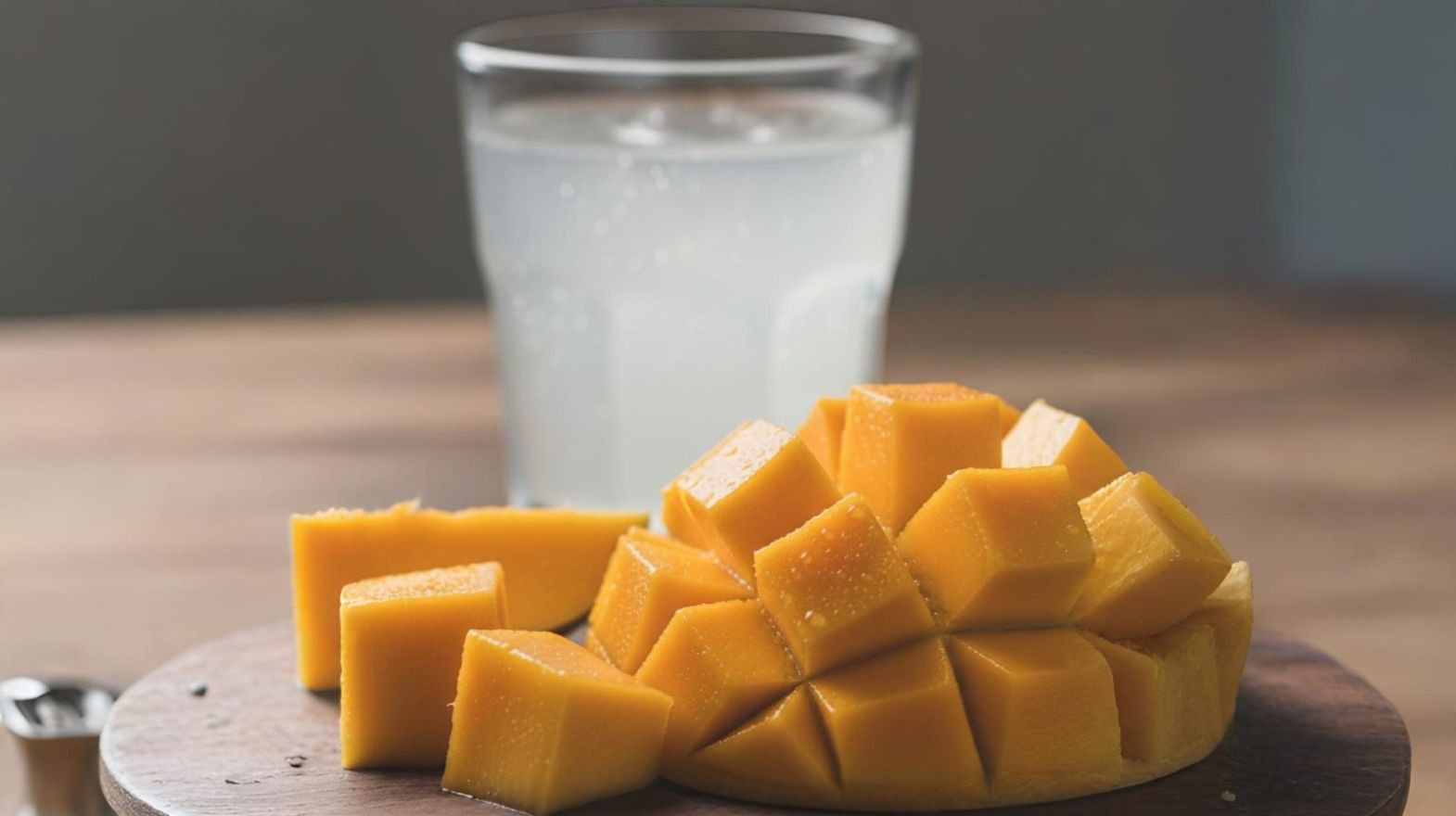
Mango
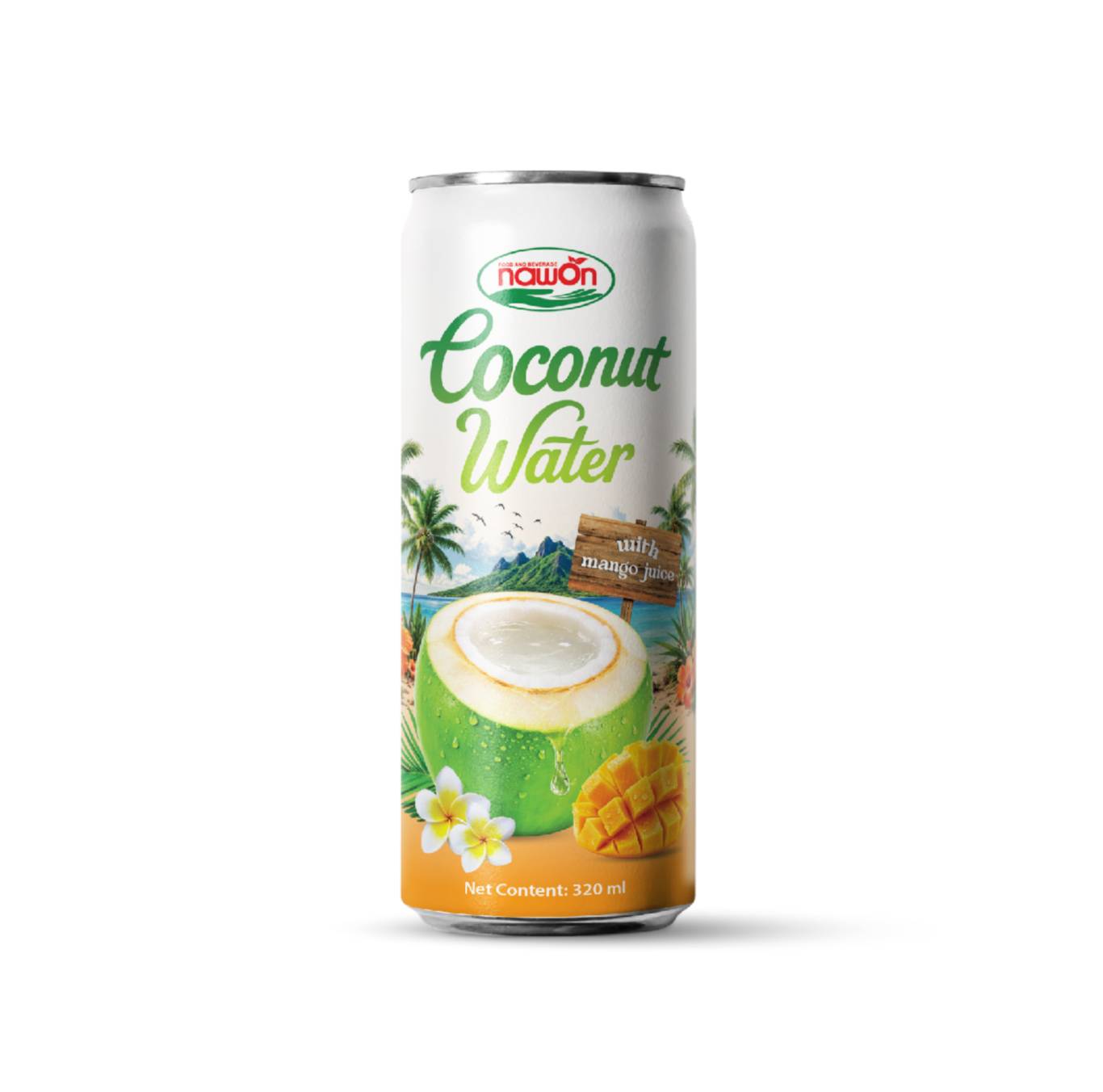
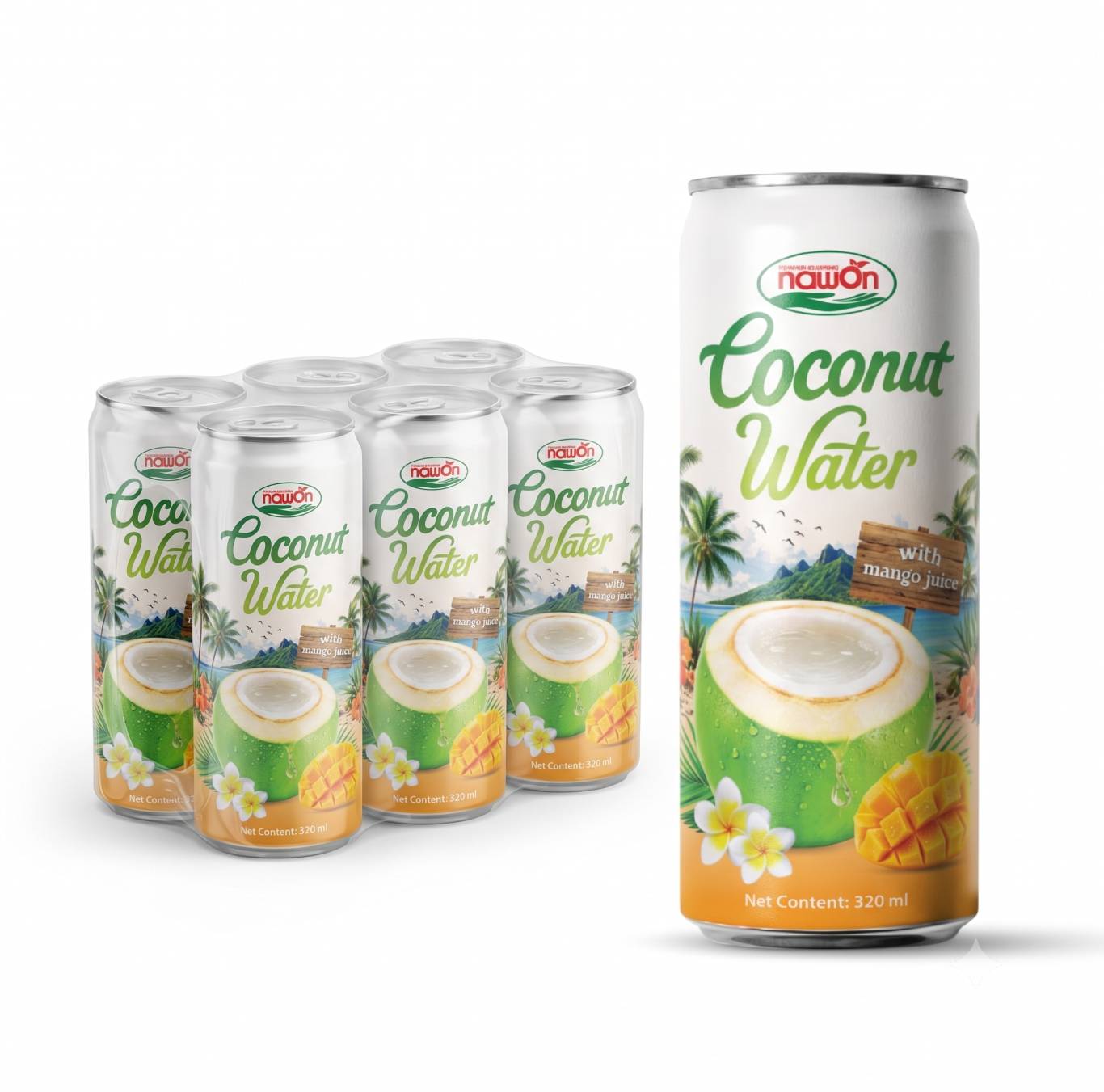
Softer and sweeter, great for shoppers who want a richer tropical profile.
Passion fruit
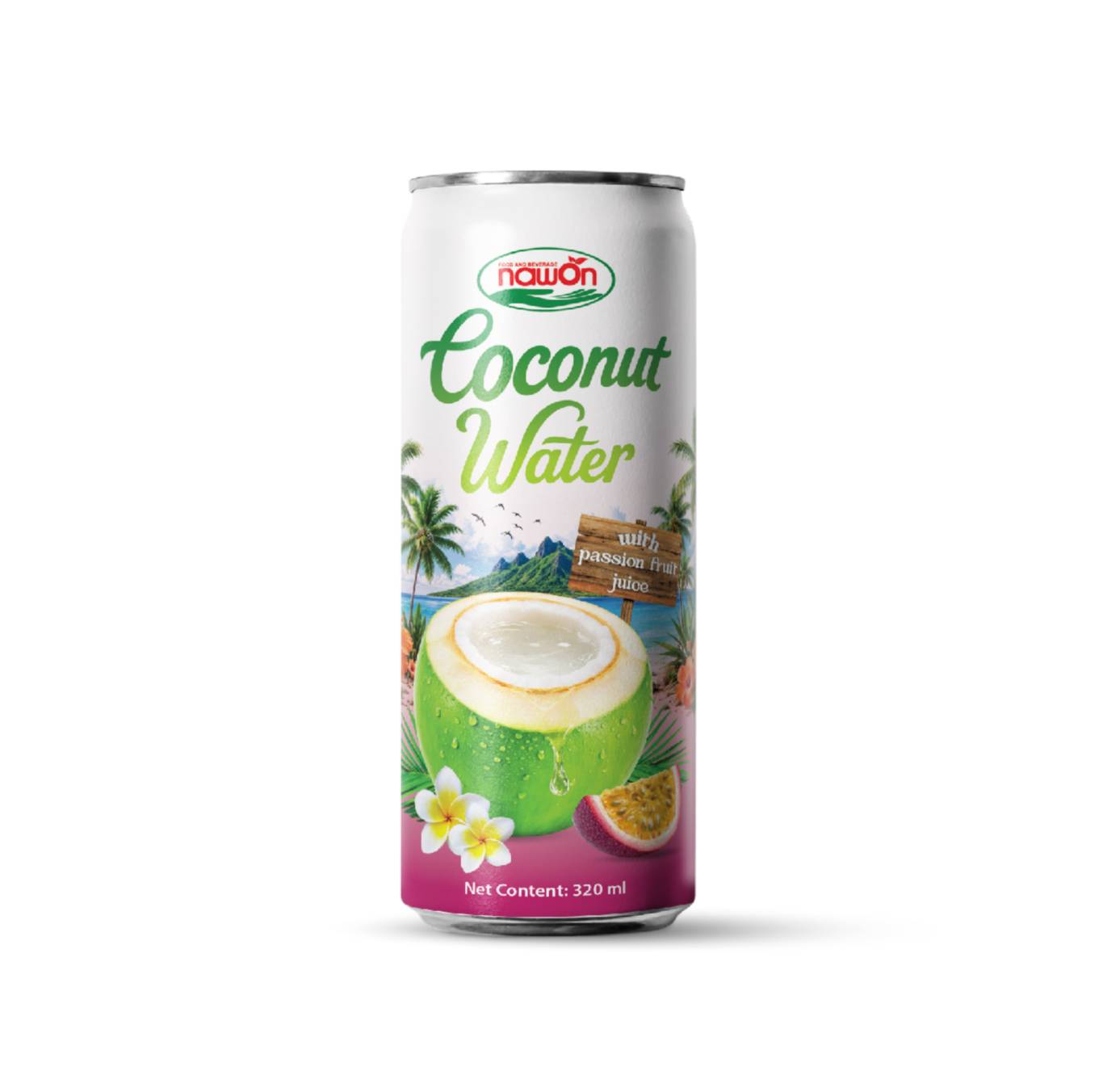
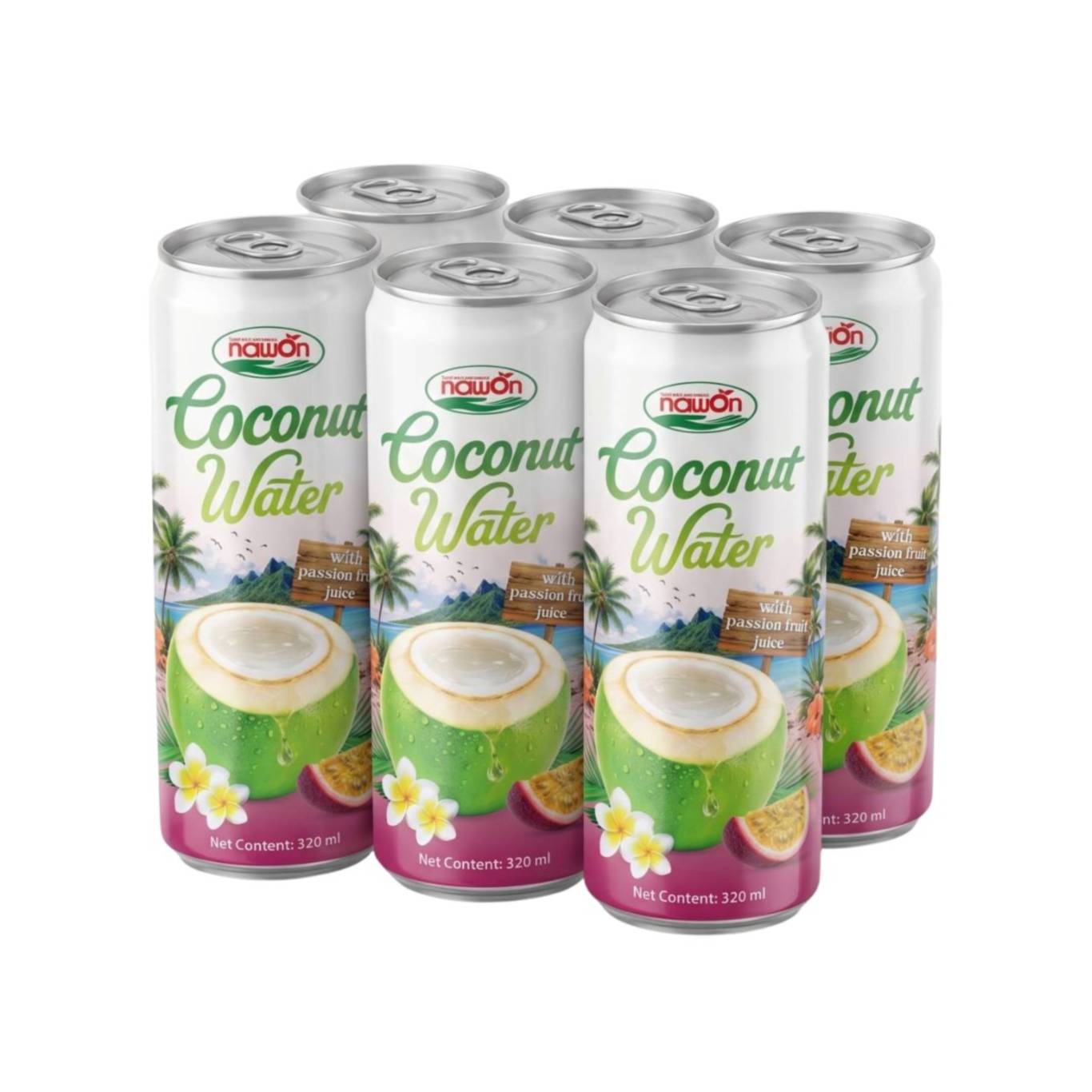
Aromatic and slightly tangy. Feels premium and stands out on the shelf.
Orange or citrus blend
Familiar and refreshing. Works well for morning and daytime use.
Guava
Fragrant and tropical. Strong appeal in many Asian markets.
Lychee
Floral sweetness that feels distinct. Often popular, where lychee drinks are already mainstream.
Mixed tropical
Suitable for signature blends. It helps brands differentiate with a “house flavor.”
An innovative lineup usually includes one mainstream hero flavor (pineapple or mango) plus one standout option (passion fruit or lychee).
What shoppers expect from the taste
Most people who choose coconut water with fruit juice want it to taste:
- Refreshing when cold
- Bright and fruity, not candy-like
- Light, not syrupy
- Sweet, but not heavy
If you are formulating a product, the hardest part is getting the balance right. Too much juice can make it feel like a standard juice drink. Too little juice can make it taste like plain coconut water with a hint of fruit. The sweet spot is “clearly fruity, still light.”
When people drink it
This category fits everyday moments, which is a big reason it sells well.
- Morning refreshment as a lighter alternative to sweet coffee drinks or sodas
- Midday pick-me-up at work or school
- On-the-go hydration during travel, commuting, errands
- After light exercise, for a refreshing drink you actually enjoy
- Hot weather refreshment when people want something cold and tropical
It also works well for social settings like picnics, beach days, and casual gatherings.
Packaging formats that work best
Packaging affects both perception and where the product sells.
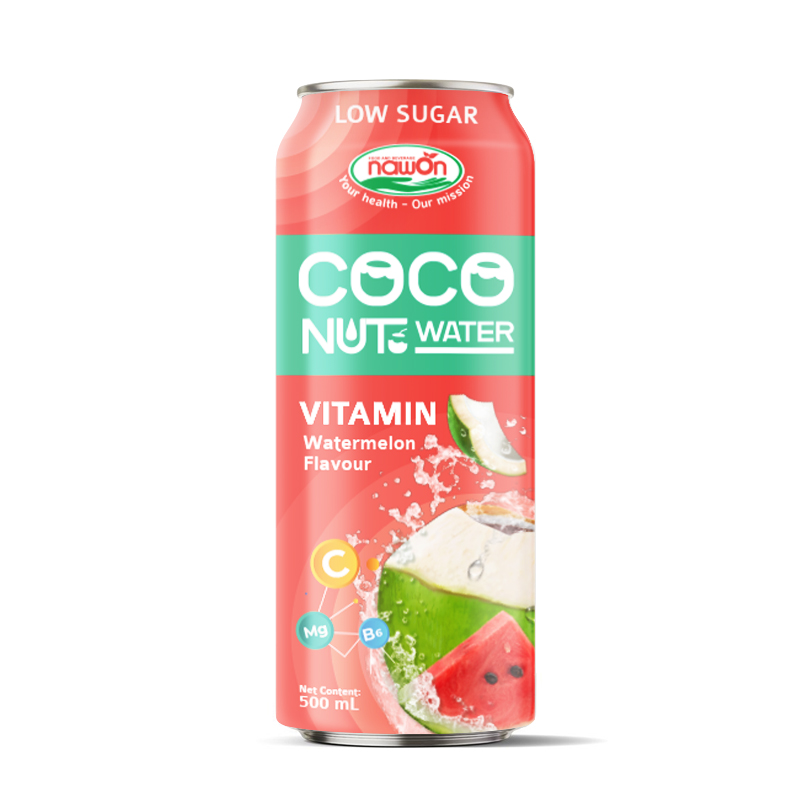
Cans (around 330ml)
Great for convenience, vending, and a modern lifestyle image.
Bottles (350ml to 500ml)
Strong for gyms, office routines, and daily carry.
Glass bottles
Premium positioning, gifting, and certain hospitality channels.
If your goal is broad distribution, cans and bottles usually lead the way. If your goal is premium export positioning, glass can help.
Tips for brands building a coconut water with fruit juice line
A strong line feels simple to understand and easy to choose. Here is a practical product structure many brands use:
- Original coconut water (the baseline)
- Coconut water with fruit juice (the flavor-forward line)
- No added sugar options (for wellness-focused shoppers)
- Lightly sweetened options (for mass appeal, depending on market)
- One signature blend (for brand identity)
From a marketing standpoint, shoppers respond well to clear cues:
- “Real fruit juice”
- “No added sugar” where it applies
- “Refreshing, light taste”
- Simple flavor naming that matches what they expect
Avoid complicated claims. In most markets, honest and straightforward conversions work better.
Manufacturing and product development considerations (for OEM or private label)
If you are sourcing this category as a brand owner, focus on consistency and shelf performance, not just the first sample.
Flavor consistency
Coconut water and fruit inputs can vary by season. The supplier should be able to maintain consistent taste across batches.
Sugar strategy
Decide early whether you want no added sugar or lightly sweetened. That choice affects juice ratio, flavor balance, and consumer perception.
Shelf-life stability
Fruit components can affect color and aroma over time; stability testing matters, especially for export and long-distance distribution.
Label and compliance support
If you sell in multiple markets, you will need clear documentation, compliant claims, and label guidance.
This category can win big, but only if the taste stays consistent and the product stays clean and appealing on the shelf.
FAQ
Is coconut water with fruit juice the same as flavored coconut water?
Not always. “Flavored” can mean flavors are added without real juice. “With fruit juice” usually suggests real juice is included, but you should still check the ingredient list.
Does it contain a lot of sugar?
It depends. Fruit juice has natural sugars, and some products also add sugar. If sugar matters to you, check the nutrition panel and look for “no added sugar,” then confirm in the ingredients.
Is it suitable for daily drinking?
Many people enjoy it daily as a refreshing beverage. If you are monitoring sugar intake, choose lower-sugar formulas and watch serving size.
Which flavor should I start with?
Pineapple and mango are usually the safest choices for broad appeal. Passion fruit is a strong option if you want something more distinctive.