
A beverage manufacturer for startups helps turn a product idea into a commercial drink that can be produced, packed, shipped, and sold with fewer mistakes. For early-stage founders, that usually means support with formulation, ingredient sourcing, pilot runs, packaging, shelf life, and production planning.
Instead of trying to build everything in-house, startups can work with a manufacturer to launch faster, control early costs, and avoid technical issues that often arise when a kitchen recipe moves from the test kitchen to real production. If you are deciding whether now is the right time to work with a factory, the answer is usually yes once your concept, target market, and product direction are clear enough to discuss.
Why startups work with a beverage manufacturer earlier than expected
A manufacturer is useful long before the first full production run. The right partner helps shape the formula, packaging format, process, and cost structure early enough to prevent costly changes later.
Many startup founders think they need a factory only after the product is finished. In reality, a beverage that tastes good in a test sample may not perform well on a production line. Flavor can shift after processing. Ingredients may separate. Shelf life may fall short. Packaging may increase freight costs to a level that is too high for export markets.
That is why how beverage manufacturers help startups goes beyond simple filling or bottling. A capable supplier helps founders answer practical questions such as:
- Can this recipe work at a commercial scale?
- Which packaging format fits the product and the budget?
- What shelf life is realistic?
- What first run size makes sense?
- Which compliance documents may be required for the USA or the EU?
For new brand owners, that early guidance often saves more money than it costs.

How beverage manufacturers help startups from concept to launch
Beverage manufacturers help startups by covering the technical and operational work between idea and first shipment. That support often includes beverage formulation services, ingredient sourcing, pilot production, packaging review, and commercial manufacturing.
This matters because most founders do not have in-house food scientists, buyers, or packaging specialists. They need a partner that can turn a concept into a factory-ready product.
Beverage formulation services
Formulation is one of the biggest reasons startups involve a manufacturer early. A small test recipe does not always scale cleanly into industrial production.
A manufacturer can help with:
- Flavor balancing
- Sweetness and acidity adjustment
- Ingredient compatibility
- Stability checks
- Shelf-life review
- Nutritional alignment
- Cost optimization
This stage is where the product becomes more realistic. A founder may want a clean-label drink with natural color, reduced sugar, and a long shelf life. Sometimes that is possible. Sometimes it requires trade-offs in taste, processing, or ingredient choice. A good manufacturer explains those trade-offs clearly.
Beverage co-packing for startups
Beverage co-packing for startups gives founders access to production equipment, labor, and quality systems without having to build their own facility. This is especially useful when the goal is to test demand before scaling.
Pilot runs or smaller entry-volume runs, can help startups:
- Validate the commercial taste
- Check packaging performance
- Estimate real production cost
- Test early channels and buyer interest
- Reduce risk before a larger run
Not every factory is suited to startup projects, though. Some focus on high-volume production and are not flexible on smaller runs, development support, or early-stage communication.
Ingredient sourcing and production planning
Manufacturers also help startups manage sourcing more efficiently. They often have existing supplier networks for fruit ingredients, sweeteners, flavors, cans, bottles, and closures.
This can improve:
- Ingredient consistency
- Cost visibility
- Supply reliability
- Traceability
- Lead time planning
For a young brand, that kind of structure matters. A product cannot scale well if raw materials are unstable, too expensive, or difficult to secure consistently.
OEM, ODM, or private Label: which model fits a startup?
The right model depends on your budget, timeline, and product goals. OEM works best when the recipe is already defined. ODM fits startups that need development support. Private Label is the fastest route for brands that want speed and lower development costs.
Here is a simple comparison:
| Manufacturing Model | Description | Best For | Speed to Market | Relative Cost |
|---|---|---|---|---|
| Private Label | You use an existing factory formula and sell it under your own brand. | Fast market testing and lower-budget launches | Fast | Low |
| OEM | You provide the formula and product specifications. The factory produces it for you. | Brands with finished R&D and clear product requirements | Medium | Medium to High |
| ODM | The manufacturer develops the product based on your concept and goals. | Founders with an idea but limited technical resources | Medium | Medium |
For many startup founders, ODM is the most practical middle path. It provides more room for product differentiation than private Label while still leveraging the factory’s technical knowledge.
Private Label also makes sense in some cases. It can be a smart option when the goal is to enter the market quickly, test a category, or validate a brand concept before investing in a custom formula.
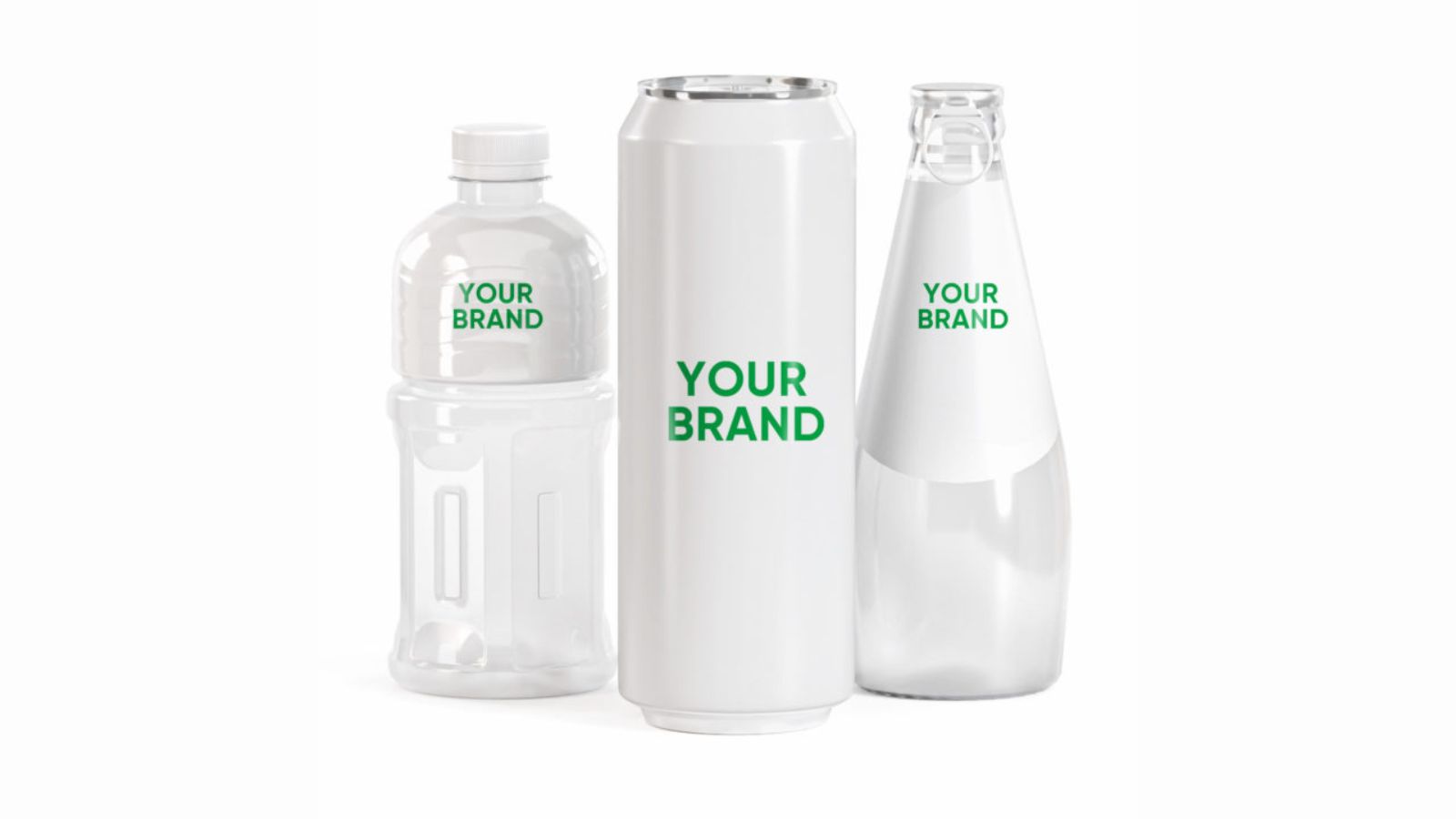
Packaging choices affect cost, shelf life, and logistics.
Packaging is not only about appearance. It affects transport cost, shelf-life performance, line compatibility, and the total landed cost of the product. For export-oriented startups, this matters from the beginning.
Aluminum cans
Cans are often a strong fit for modern ready-to-drink products.
Pros:
- Lightweight for shipping
- Good barrier protection
- Strong retail appeal
- Efficient for many global markets
Cons:
- Can dent if handling is poor
- Formula compatibility must be checked
- Print and packaging lead times need planning
PET bottles
PET is often chosen for cost control and practical shipping.
Pros:
- Lower cost in many cases
- Lighter and easier to transport
- Flexible bottle sizes and shapes
Cons:
- Less premium image in some channels
- Performance depends on beverage type
- Sustainability expectations may be stricter in some markets
Glass bottles
Glass works well for premium positioning, but it brings trade-offs.
Pros:
- Premium shelf appearance
- Strong product perception in some categories
Cons:
- Heavy for export
- Higher breakage risk
- More expensive shipping and storage
For startup founders, the best packaging question is not “Which one looks best?” It is “Which format supports my product, price point, and route to market?”
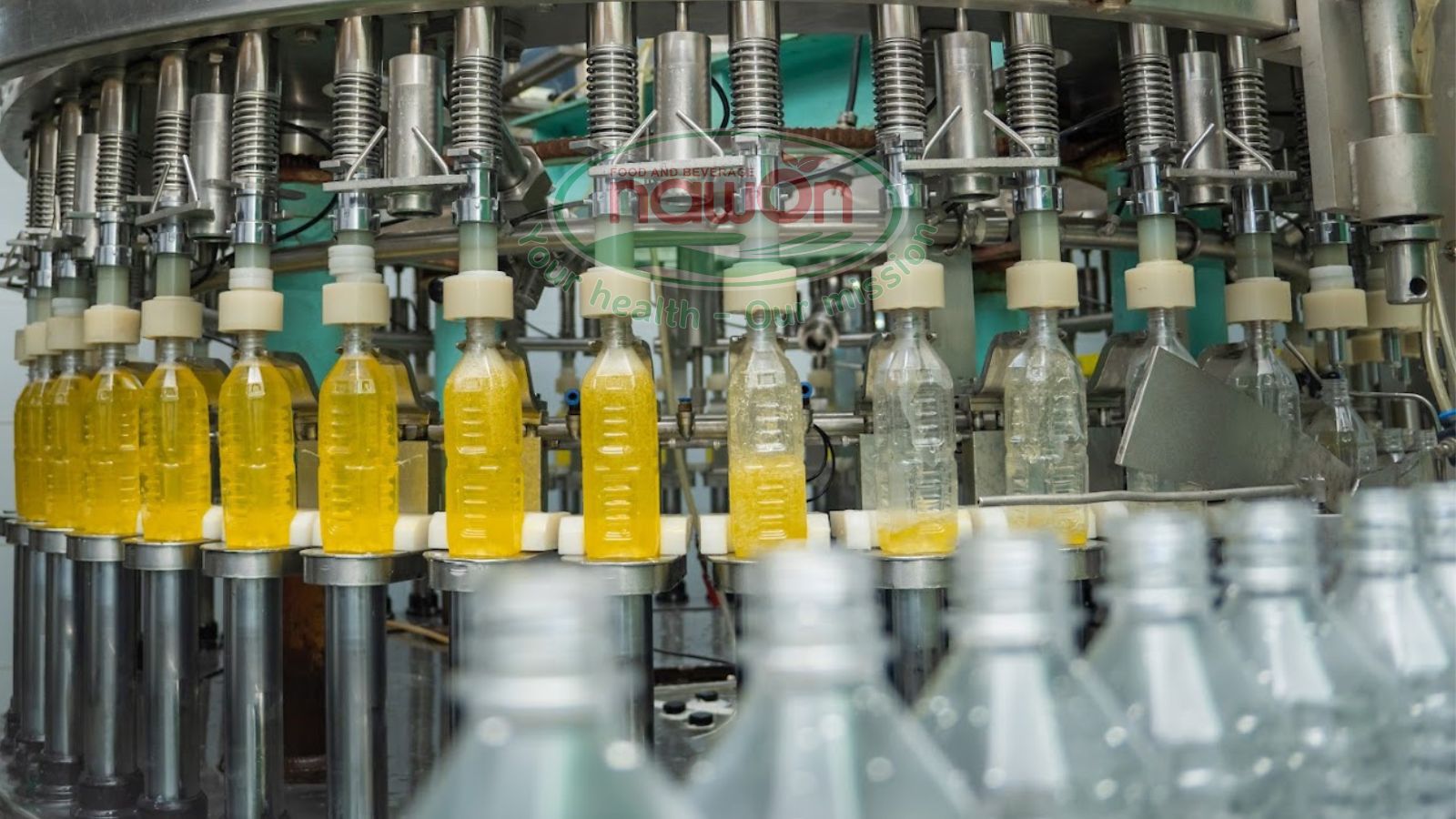
What to check before choosing a beverage manufacturer for startups
The best supplier for a startup is not always the largest one. It is the one that matches your category, stage, and business goals. Founders should look beyond the quoted price.
Start with these evaluation points:
- Experience in your beverage category
- Support for formulation and pilot work
- Packaging formats available
- MOQ flexibility
- Lead time clarity
- Ability to support export documentation
- Communication quality during development
A startup usually needs more guidance than an established brand. That means communication matters. You need a partner who explains what is possible, what may increase costs, and what must change before launch.
It is also important to review quality and compliance readiness. Buyers and importers may expect food safety documentation and production records before moving forward.
Why Nawon is built for startup scalability and global export:
To successfully launch and scale, you need a proven manufacturing partner. Here is how Nawon supports your growth from day one:
- Global Certifications: We hold FDA, ISO/FSSC 22000, HACCP, HALAL, and Organic certifications, ensuring immediate compliance with stringent markets such as the US, EU, and the Middle East.
- Flexible MOQs & Packaging: We offer low entry volumes for market testing that scale seamlessly to full containers. Available formats include Aluminum Cans (250–500ml), PET/PP, and premium Glass Bottles.
- Proven Export Reach: With products actively sold in 100+ countries, we handle comprehensive export documentation (B/L, C/O, Health/Free Sales Certs) for smooth customs clearance.
- Massive Capacity: Our 45+ state-of-the-art production lines output up to 1,000 containers per month, guaranteeing a stable supply chain and reliable 25–30-day lead times as your brand grows.
You may want to read: Top 5 Food and Beverage Certifications That Exporters Need
Scaling a beverage business starts with better early decisions.
Scaling a beverage business becomes easier when the product is built for repeat production from the start. Founders should think beyond launch volume and ask whether the formula, packaging, and supply plan can still work when demand grows.
Key questions to ask a manufacturer include:
- Can this formula scale without significantly altering the taste?
- Are the ingredients available year-round?
- Which packaging inputs have the longest lead time?
- How is batch consistency controlled?
- What changes may be needed for USA or EU labeling?
- Can the factory support export logistics later?
These are not “big brand” questions. They matter from day one. A startup that plans for repeatability early is usually in a better position when distributors or importers start asking for larger orders.
Common mistakes startup founders should avoid
Most startup mistakes happen because founders move too far ahead without enough input from production. The product vision may be strong, but the operational plan is still weak.
Common mistakes include:
- Waiting too long to involve a manufacturer
- Choosing packaging before understanding freight cost
- Assuming a kitchen recipe will scale without changes
- Looking only at the unit price instead of the landed cost
- Skipping pilot runs
- Ignoring ownership terms around formula development
These mistakes are common. They are also avoidable with the right manufacturing partner and a more realistic sourcing process.
Choosing a beverage manufacturer for startups is really about finding a partner who can help you make better decisions early on. Formulation, co-packing, packaging, MOQ planning, and scale readiness all shape whether a product can launch and grow successfully. For founders exploring OEM, ODM, or private label options, Nawon can support practical product development and manufacturing planning for global markets.