
If you’re sourcing drinks through a beverage co-packer, “private label” and “white label” can sound similar. In reality, they lead to different outcomes in speed, cost, exclusivity, and spec control.
Quick definitions
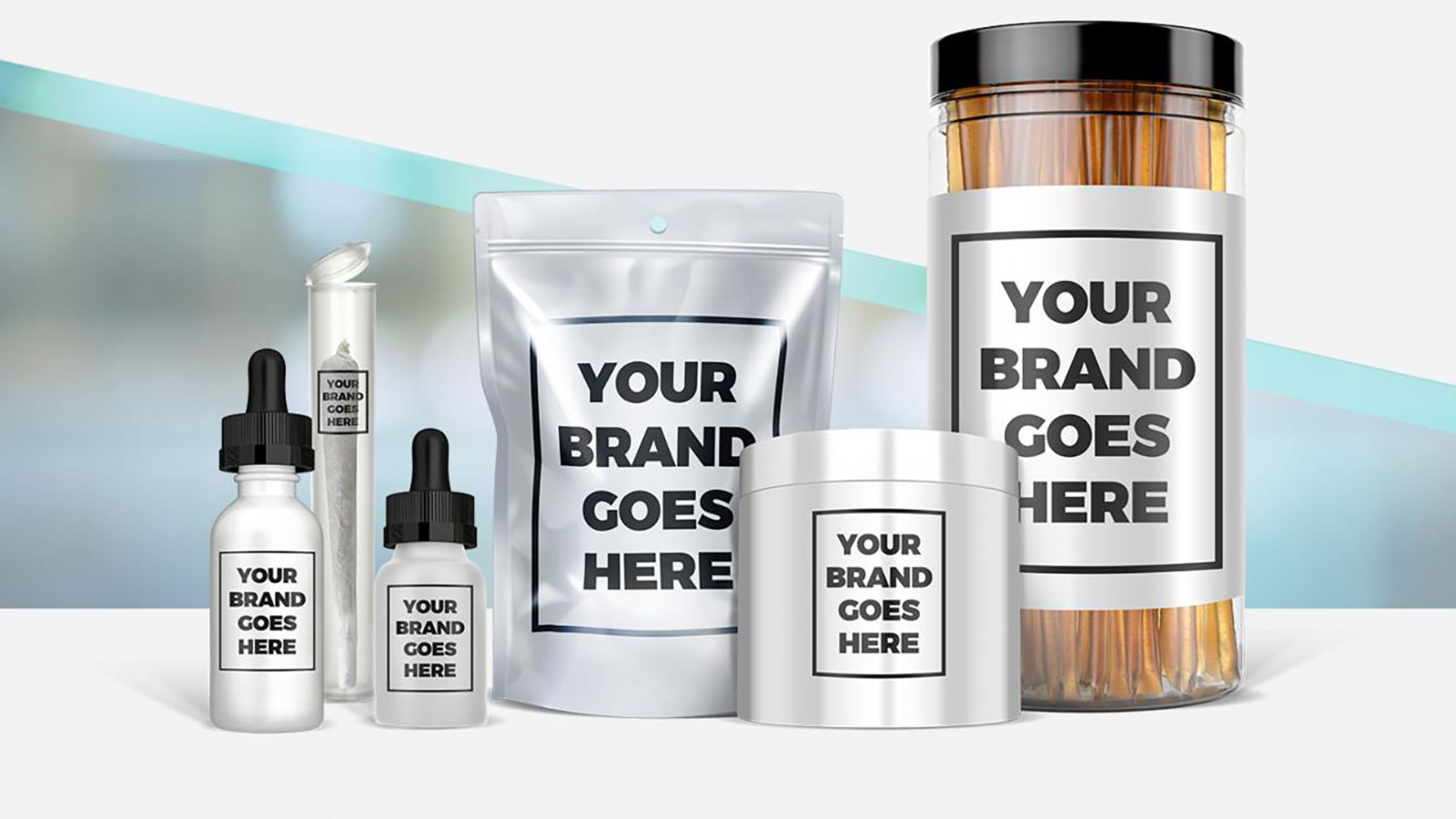
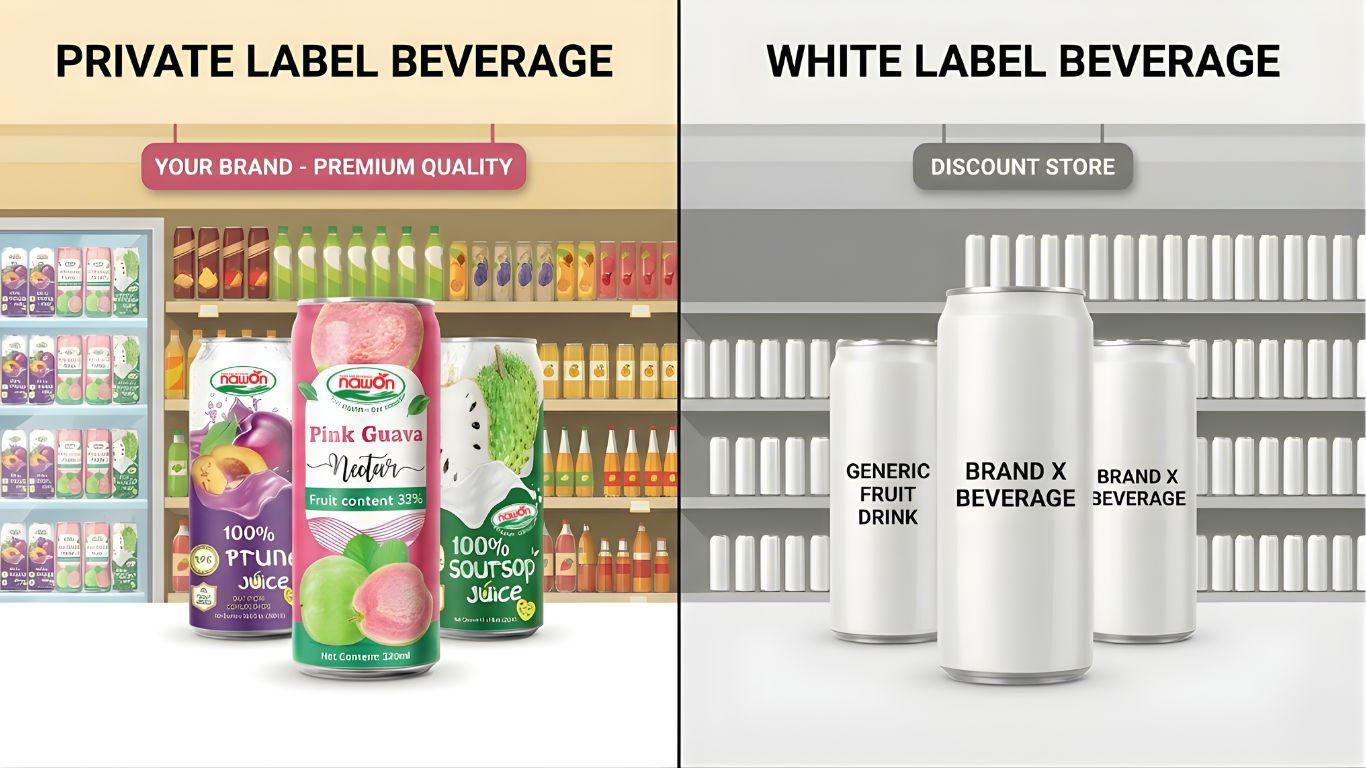
Private label: Made for one brand, with spec control and negotiable exclusivity.
White label: Pre-made formula sold to multiple brands; you mainly change the label/artwork.
Private label beverages: what it means with a beverage co-packer
In contract beverage manufacturing, private label usually means the product is built around your program, not just your branding. Depending on the scope, you may start from a base formula and adjust it, or develop something new.
Private label often sits on a spectrum:
- Semi-custom private label: Start from an existing base formula, then adjust sweetness, flavor intensity, functional ingredients, carbonation, or nutrition targets.
- Fully custom private label: New formulation from your brief, with trials, taste rounds, stability checks, and scale-up validation.
What private label is best at
- Building a product that tastes and performs differently enough to justify your positioning
- Supporting more substantial margins when the product isn’t interchangeable
- Creating a “hero SKU” that’s harder to copy in your target channel.
What you typically control
This depends on contract terms, but private label is where you’re most likely to secure:
- A tailored spec sheet (ingredients, targets, sensory profile)
- Some form of exclusivity (often market- or channel-based)
- Clear rules around formula rights and future improvements (v2 changes, substitutions)
Common private label use cases
- A signature functional drink where differentiation drives repeat purchase
- A premium RTD coffee or tea with specific texture/aroma requirements
- A retailer program that needs a unique taste profile, not just a new label
White label beverages: what it means
White label beverages are existing, proven formulas that a manufacturer sells to multiple buyers. You choose the product, apply your label, and go to market fast. The formula isn’t built around your brief; it’s designed to work broadly.

What white label is best at
- Fast launches when timing matters
- Lower upfront spend because you’re not funding R&D cycles
- Lower risk when you’re validating demand in a new market/channel
Common white label use cases
- Staples like bottled water, basic juice blends, standard teas
- Early-stage brand tests where distribution matters more than uniqueness
- Quick line extensions where you want speed and simplicity
Private label vs white label beverage: side-by-side comparison
| Feature | Private Label | White Label |
|---|---|---|
| Formula | Semi-custom to fully custom | Standard, pre-formulated |
| Exclusivity | Often negotiable (by market/channel) | Low (shared by design) |
| Time-to-market | Slower (development + approvals) | Faster (production-ready) |
| Upfront cost | Higher (trials/testing/iteration) | Lower (minimal R&D) |
| MOQ flexibility | Often higher, especially for custom inputs | Often easier entry if SKU is run frequently |
| Packaging options | Wider range; can pursue more unique formats (line-dependent) | Usually limited to existing formats offered |
| Compliance workload | Higher (new specs can affect nutrition/claims) | Lower (standard spec, simpler validation) |
| Best for | Differentiation, premium positioning, margin defense | Speed, low-risk testing, staple categories |
Choose white label if
- You need to launch quickly and hit a market window.
- You’re testing demand in a new channel/region with limited risk.
- Your product is a category staple where branding + distribution matter more than uniqueness.
Choose private label if
- You need a product that’s meaningfully different in taste, function, or nutrition profile.
- You want negotiable exclusivity (region/channel/account) to protect your margin.
- You’re building a long-term SKU strategy and can invest in development and validation.
Cost, MOQ, lead time, and supply chain logistics
These differences show up quickly once you move from concept to production.
Development cost
- Private label: May include formulation work, trials, stability checks, and spec refinement.
- White label: Spend is mainly packaging design, label compliance, and production scheduling.
MOQ (minimum order quantity)
MOQ is line and format-dependent, but patterns are consistent:
- Private label tends to require higher MOQs when you introduce specialty ingredients, custom components, or unique packaging.
- A white label can offer a smoother starting MOQ if the manufacturer runs the product regularly and can consolidate materials.
Lead time
- Private label: Includes development, sampling, approvals, scale-up, and production scheduling.
- White label: Mostly scheduling + packaging procurement.
Supply chain logistics
- Private label adds moving parts: special ingredients, longer procurement lead times, substitution approvals, and tighter documentation control.
- White label is simpler: a stable bill of materials, fewer supplier dependencies, and often fewer surprises in beverage contract manufacturing programs serving export markets.
Customization: what you can actually change
A common misunderstanding is that private label always means unlimited customization. Capabilities depend on the manufacturer’s platform, certifications, and packaging lines.
With a private label, you can often customize
- Sweetness, acidity, and overall flavor profile
- Aroma strength and aftertaste control
- Functional ingredients (where legally allowed and technically stable)
- Carbonation level
- Color strategy (natural vs added, stability over shelf life)
- Nutrition targets and claims strategy
- Pack sizes and formats (depending on line capability)
With a white label, you usually customize
- Branding and packaging artwork
- Sometimes, pack size/format, but only if it already exists in the lineup.
- Occasionally, minor variants are offered as preset options.
Exclusivity, IP, and ownership
If exclusivity matters, treat it as a procurement term, not a marketing promise. Clarify:
- Exclusivity scope (market, channel, account)
- Similarity rules (what counts as “the same product”)
- Ownership of v2 changes and cost-down updates
- Exit terms (tooling, packaging inventory, specifications)
Standard buyer mistakes
- Asking for a private label but expecting a brand-new formula → Confirm whether it’s custom development or a base formula with adjustments.
- Assuming exclusivity is automatic → Define scope, duration, and similarity rules in the agreement.
- Ignoring logistics and supply risk → Ask about ingredient alternates, lead times, and approval triggers for substitutions.
- Finalizing packaging before final specs → Formula changes can affect nutrition panels and claims. Lock the spec sheet first.
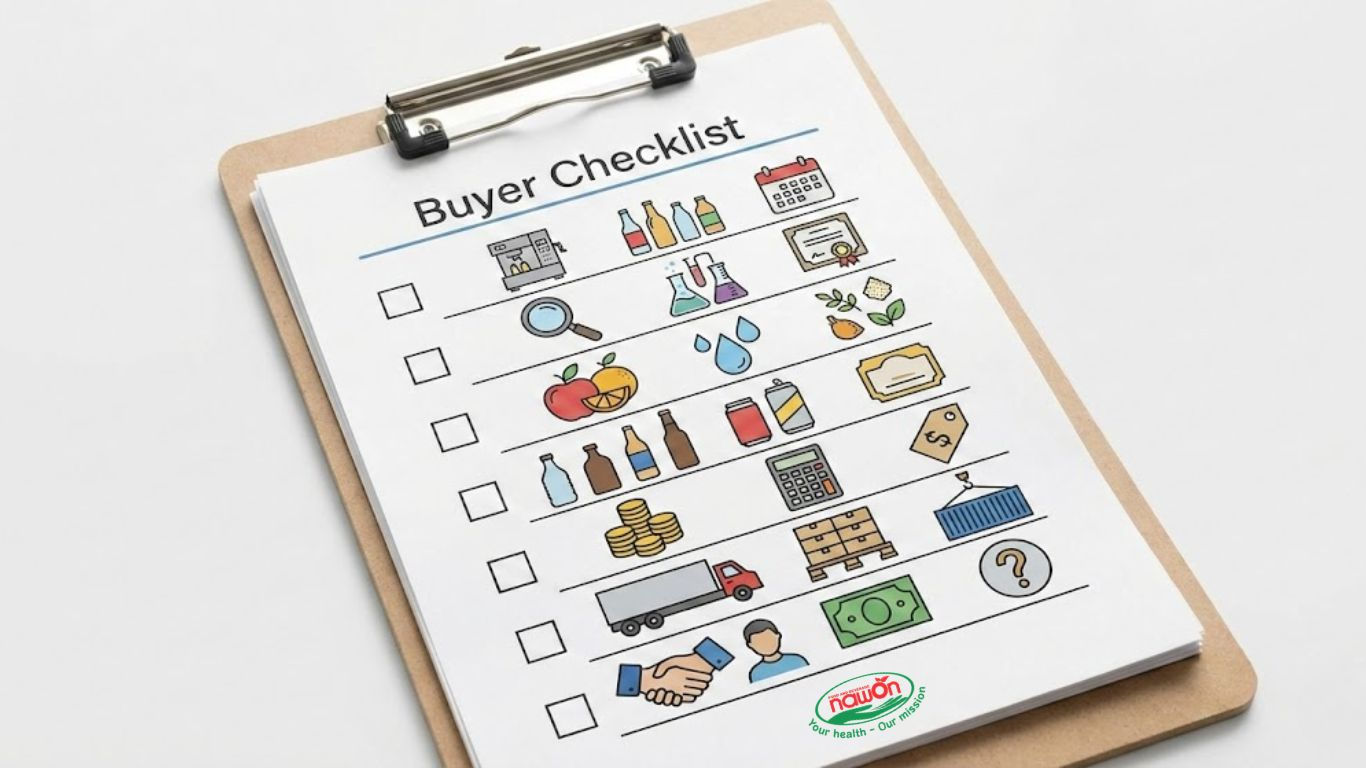
Buyer checklist: questions to ask your co-packer
Use this as a quick due diligence block before you compare quotes.
- What level of formula change is included (none / minor tweaks / new development)?
- Who owns improvements and substitutions over time?
- What’s the MOQ by packaging format and by key ingredient?
- What’s the lead time split (R&D / packaging/production/export documentation)?
- Do you have an approved alternate list for ingredients and packaging components?
- How is exclusivity defined (scope), and what is the similarity rule?
- Which tests support shelf life and stability for my target market conditions?
- What compliance support is included for label, claims, and export docs?
FAQ
Is private label always custom-formulated?
Not always. Some manufacturers use “private label” to mean your branding on their platform product. Confirm the scope and exclusivity terms.
Can a white label be exclusive?
Rare, but possible with volume commitments and clear terms. Most programs are shared by design.
Which is cheaper?
White label is usually cheaper upfront. Private label can be more profitable in the long term when uniqueness supports stronger positioning and higher margins.
Which is faster?
White-label solutions are typically faster because the formula has already been validated and is production-ready.
Bottom line
If your priority is speed and a lower upfront cost, white-labeling is the cleanest route.
If your priority is differentiation and negotiable exclusivity, private label is the better long-term play.