

Packed coconut water can be a healthy beverage when it is made from pure coconut water, contains no added sugar, and is processed under strict quality controls. The real issue for buyers is not whether coconut water is healthy in theory, but whether the product on the shelf is a clean, well-made version. Some products are simply 100% coconut water. Others include added sugar, flavorings, or other ingredients that alter both the taste and the nutritional profile. That is why label reading matters just as much as the ingredient itself.
What is packed coconut water?
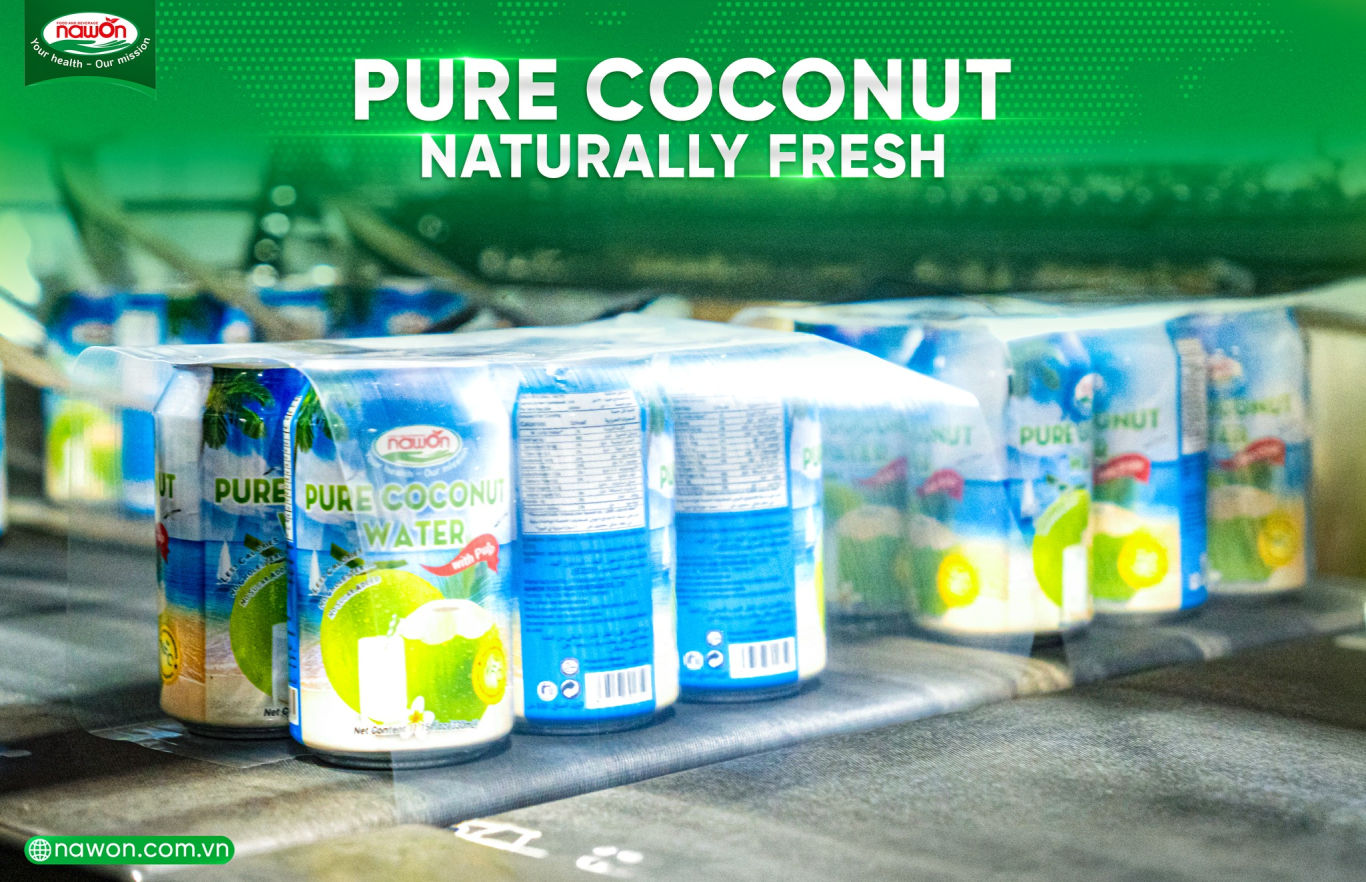
Packed coconut water is the liquid from young coconuts that has been collected, filtered, heat-treated, and filled into cartons, cans, glass bottles, or PET bottles. In commercial production, manufacturers commonly use pasteurization, sterilization, or UHT processing to control microorganisms and enzymes, ensuring the drink remains safe and stable during storage, transport, and export. These processes are standard in shelf-stable coconut beverage production because fresh coconut water is highly perishable once it is removed from the fruit.
That processing step often confuses. Some consumers assume “packaged” means “less healthy,” but the purpose of processing is usually food safety, shelf life, and consistency. A well-made, packaged product can still be a sound hydration choice, especially when the formula remains simple and the manufacturer avoids unnecessary additives. The better way to judge the product is by its ingredient list, nutrition panel, and manufacturing quality, not just by its packaging format.
Nutritional value of coconut water
Coconut water’s nutritional profile is why it sits in the natural hydration category. It is mostly water, but it also contains potassium, modest amounts of magnesium, and natural sugars that provide light energy. Potassium is particularly important because it helps maintain intracellular fluid balance, supports nerve signaling, and plays a role in muscle contraction.
To make that easier to scan, here is the basic nutrient profile for fresh coconut water:
| Nutrient (per 100 g) | Fresh Coconut Water |
|---|---|
| Calories | 19 kcal |
| Potassium | 250 mg |
| Magnesium | 25 mg |
| Natural Sugars | 2.61 g |
Source: USDA reference values for coconut water.
These numbers help explain why coconut water is widely described as a light hydration drink rather than a high-energy beverage. It is not sugar-free, but its sugar content is naturally lower than that of many sweetened beverages. Reviews of coconut water composition also describe it as containing natural carbohydrates, minerals, vitamins, and phenolic compounds, which adds to its appeal among consumers looking for simpler plant-based drinks.
For packaged products, the final nutrition facts may vary from brand to brand. Processing, coconut maturity, blending decisions, and any added ingredients can all shift the final numbers. That is why consumers should treat raw coconut water data as a useful reference point, then verify the finished product by checking the label on the specific pack they plan to buy.
Health benefits of packed coconut water
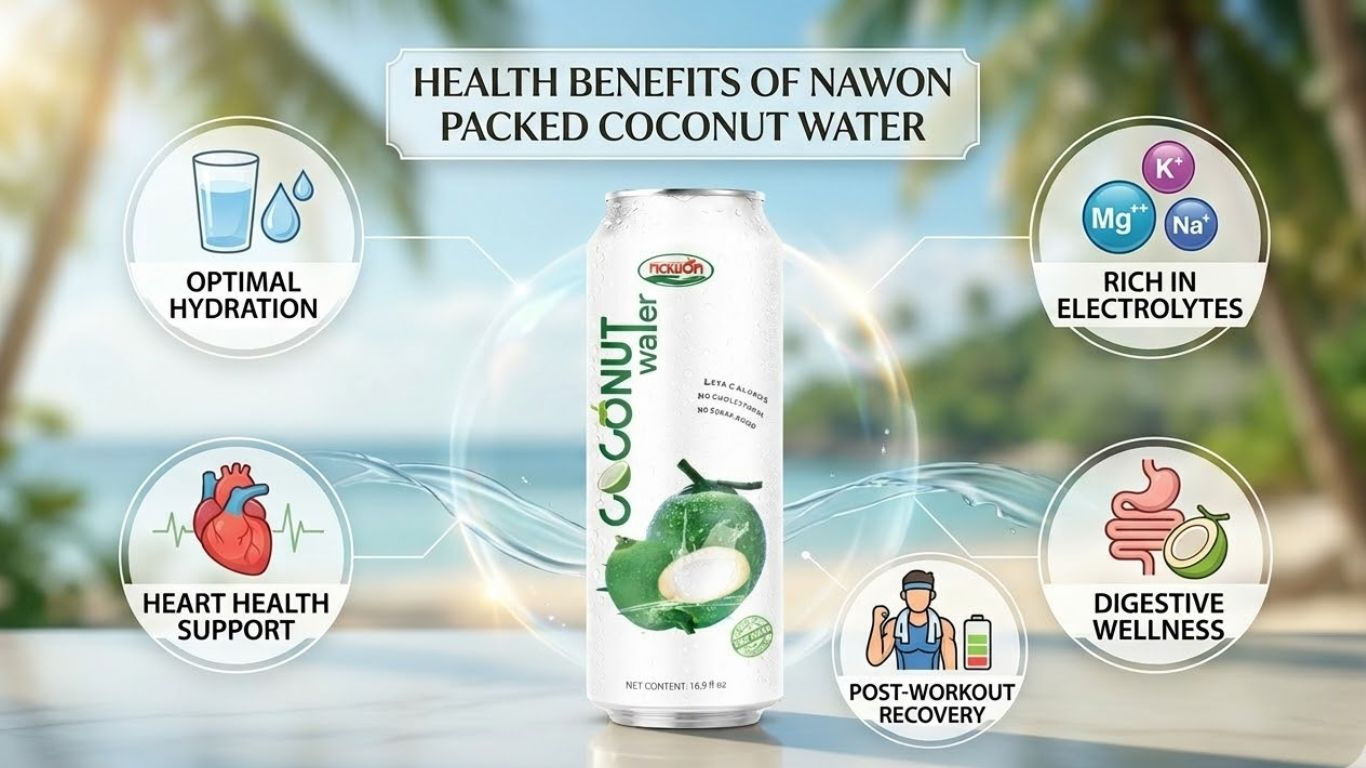
One of the clearest benefits of packaged coconut water is hydration support. Because it supplies fluids and electrolytes such as potassium, it fits well into everyday hydration, especially for people who want something more functional than plain water but lighter than a sweetened sports drink. Potassium’s role in fluid balance and normal cell function is one reason coconut water remains associated with hydration and recovery.
Coconut water may also help replenish fluids after exercise in some settings. A controlled study comparing coconut water, coconut water from concentrate, plain water, and a sports drink found that coconut water performed similarly to the sports drink on several hydration measures after dehydrating exercise. A later cycling study also found no meaningful differences in physiological or performance outcomes between coconut water and a conventional sports drink. However, the researchers emphasized that the evidence base is still limited.
That nuance matters. Coconut water can be a reasonable post-workout option, but it should not be presented as universally better than water or sports drinks in every scenario. A 2025 systematic review found no clear differences in urine output or fluid balance when coconut water was compared with water in several rehydration trials without food intake. In practical terms, that means coconut water can be helpful, but context still matters.
Another advantage is the calorie profile. Unsweetened coconut water is naturally lower in calories than many regular soft drinks and many sweetened sports beverages, which makes it attractive to consumers who want a lighter beverage with fewer added ingredients. That advantage, however, becomes much weaker when manufacturers add sugar or turn the product into a flavored beverage blend.
Packed coconut water vs fresh coconut water
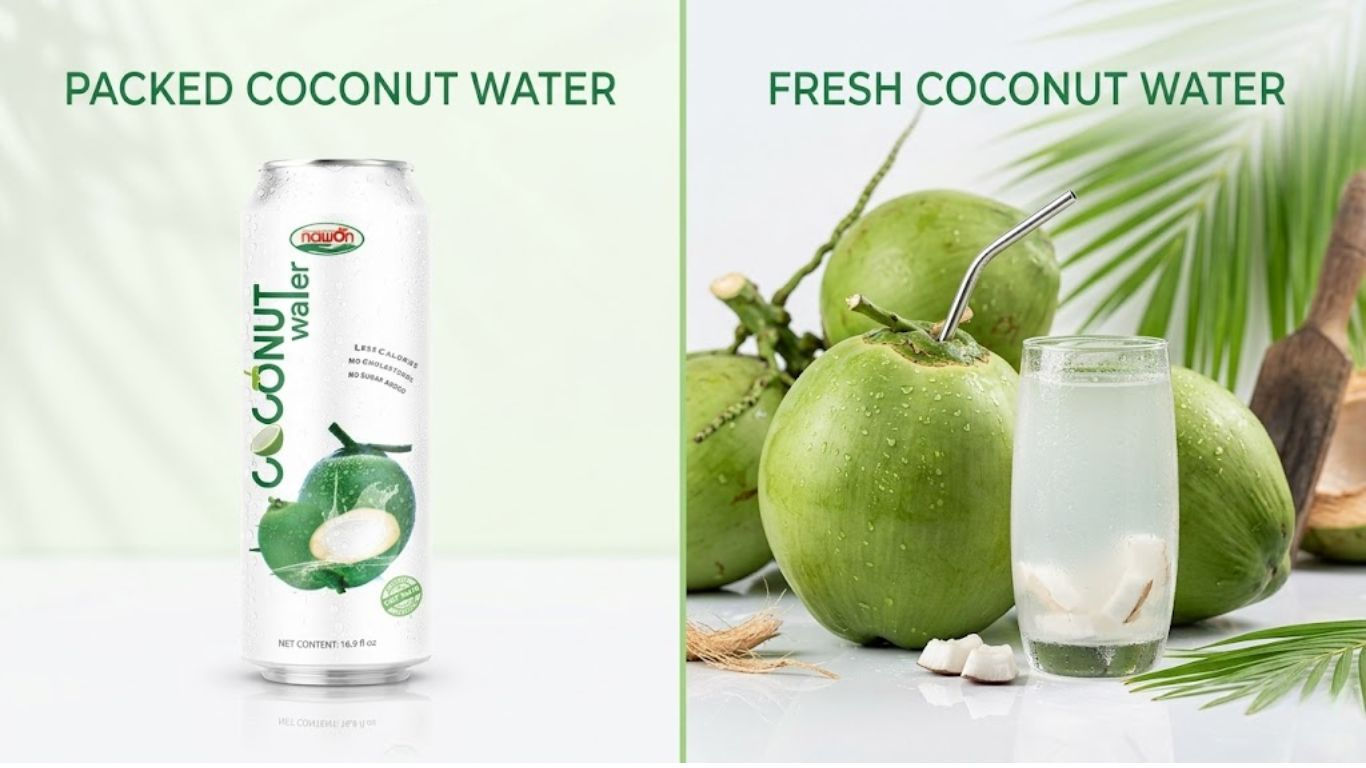
Fresh coconut water still has an edge in immediacy. Straight from the fruit, it has not undergone industrial heat treatment or extended storage, so its flavor can be brighter and more delicate. Processing and storage can also affect certain quality attributes, especially those compounds that are more sensitive to heat and oxygen.
That said, packaged coconut water remains a practical and often healthy option for modern consumers. It offers a much longer shelf life, easier transport, more consistent supply, and better access in markets far from coconut-growing regions. For most retailers, importers, and everyday shoppers, those advantages are exactly what make the category commercially relevant.
| Factor | Fresh Coconut Water | Packed Coconut Water |
|---|---|---|
| Nutrient profile | Naturally rich in water, potassium, and light natural sugars | Often similar at baseline, but may vary by brand and processing |
| Processing | No industrial heat treatment | Usually pasteurized, sterilized, or UHT-treated for safety and shelf life |
| Flavor freshness | Typically brighter and more delicate | Can taste slightly different after processing and storage |
| Nutrient retention | May retain more heat-sensitive compounds | Some sensitive compounds may decline depending on the method used |
| Shelf life | Very short once opened or removed from the fruit | Much longer, depending on packaging and process |
| Convenience | Limited by season and location | Easy to store, transport, and distribute globally |
| Availability | Best near source | Available year-round in export markets |
This comparison reflects standard long-life coconut beverage processing and published research on quality retention during storage.
The most balanced way to frame the comparison is this: fresh coconut water may be the benchmark for raw freshness, but packaged coconut water wins on convenience, safety, and accessibility. For consumers outside coconut-growing regions, a clean-label packaged product is often the most realistic way to enjoy coconut water regularly.
How to choose a healthy packed coconut water
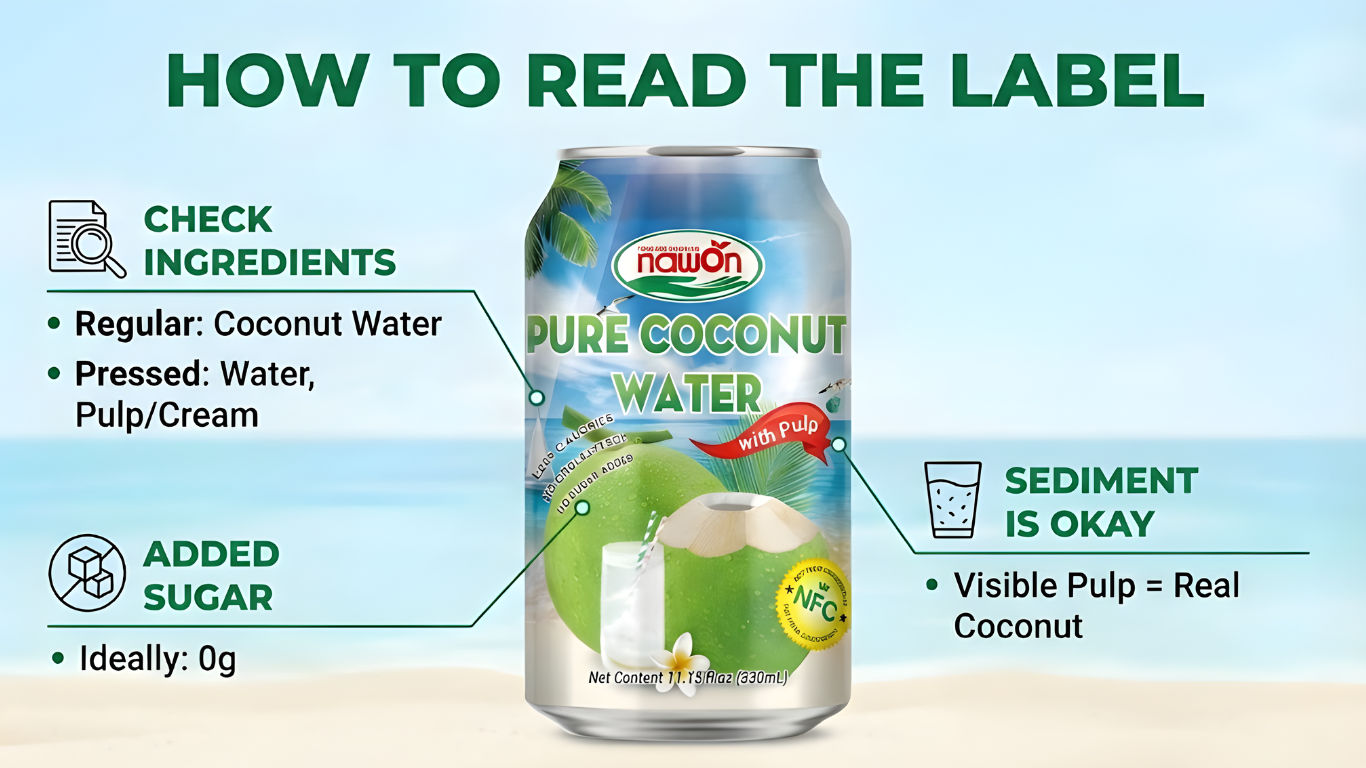
If you want a healthier product, start with the ingredient list and the Nutrition Facts panel. FDA guidance states that ingredients are listed in descending order by weight, which helps buyers quickly see whether the product is mainly coconut water or whether sugar and other additives have been built into the formula. The label also separates total sugars from added sugars, which is one of the most useful checkpoints when comparing products.
A practical label check is simple:
- 100% coconut water
- No added sugar
- Minimal ingredients
- No artificial colors
- No unnecessary preservatives
Those checks matter because front-of-pack language can sound clean even when the formula is more complicated than consumers expect. Ingredient transparency is often a better guide to beverage quality than marketing claims.
It is also worth paying attention to serving size. A product may look low in sugar at first glance, but the serving on the label might be smaller than the full pack. For health-conscious consumers, retailers, and importers alike, the most trustworthy products are usually those with the shortest, clearest ingredient lists and no hidden sweeteners.
View more: How to Start a Coconut Water Brand
Who should be careful when drinking coconut water?
Coconut water is suitable for many people, but not for everyone in unlimited amounts. People with chronic kidney disease may need to restrict potassium intake, and official kidney health guidance advises these patients to pay close attention to foods and beverages high in potassium. Since coconut water can be a significant source of potassium, it may not be appropriate for people with medical conditions that require tighter control of mineral intake.
People managing diabetes or total carbohydrate intake should also read labels carefully. Pure coconut water contains natural sugars, while flavored or sweetened versions may contain added sugars. The Nutrition Facts panel is the best place to compare total sugars, added sugars, calories, and serving size before deciding whether a product fits a specific diet.
For most healthy adults, moderate intake is usually the key point. Coconut water can fit well into a balanced beverage routine, but it should still be treated as a calorie-containing drink rather than “free hydration.” As with any packaged beverage, the healthiest choice depends on the individual, the formula, and how often it is consumed.
Why coconut water is popular in the global beverage market
Coconut water has grown because it aligns with several global beverage trends. Consumers are increasingly drawn to plant-based drinks, lighter refreshment, cleaner labels, and products associated with hydration rather than indulgence. Coconut water fits that demand profile especially well because it feels familiar, tropical, and naturally functional without needing a long list of fortification claims.
The category is also expanding commercially. Grand View Research estimates the global coconut water market at about USD 5.14 billion in 2025, with projected growth to USD 19.32 billion by 2033. Whether one looks at mainstream retail, convenience, or private-label beverage development, that growth helps explain why distributors and importers continue to look for dependable coconut beverage manufacturers.
Packed coconut water can be a genuinely healthy choice, but the healthiest version is usually the simplest one. Look for pure coconut water, check the label for added sugars, and review the ingredient list before trusting front-of-pack claims. Those small checks make a big difference in distinguishing a clean hydration drink from a sweetened beverage that wears a healthy image.
Fresh coconut water may still lead in raw freshness, but packaged coconut water remains one of the most practical natural hydration options in today’s beverage market. For consumers, retailers, and importers, the smart choice is not simply “fresh versus packed.” It is choosing a well-made product with transparent labeling, sensible nutrition, and a manufacturer that understands quality from source to shelf.