
Choosing among beverage manufacturing companies is one of those decisions that looks simple on paper and gets complicated fast once you talk about timelines, packaging, and compliance. The right partner protects your formula, keeps quality consistent, and scales with demand. The wrong partner costs you rework, missed launches, and inventory you can’t sell.
Use the checklist below to compare options clearly, capabilities, safety systems (including SQF/GFSI expectations), MOQs, R&D support, and delivery performance, then shortlist the manufacturers that actually fit your product and growth plan.
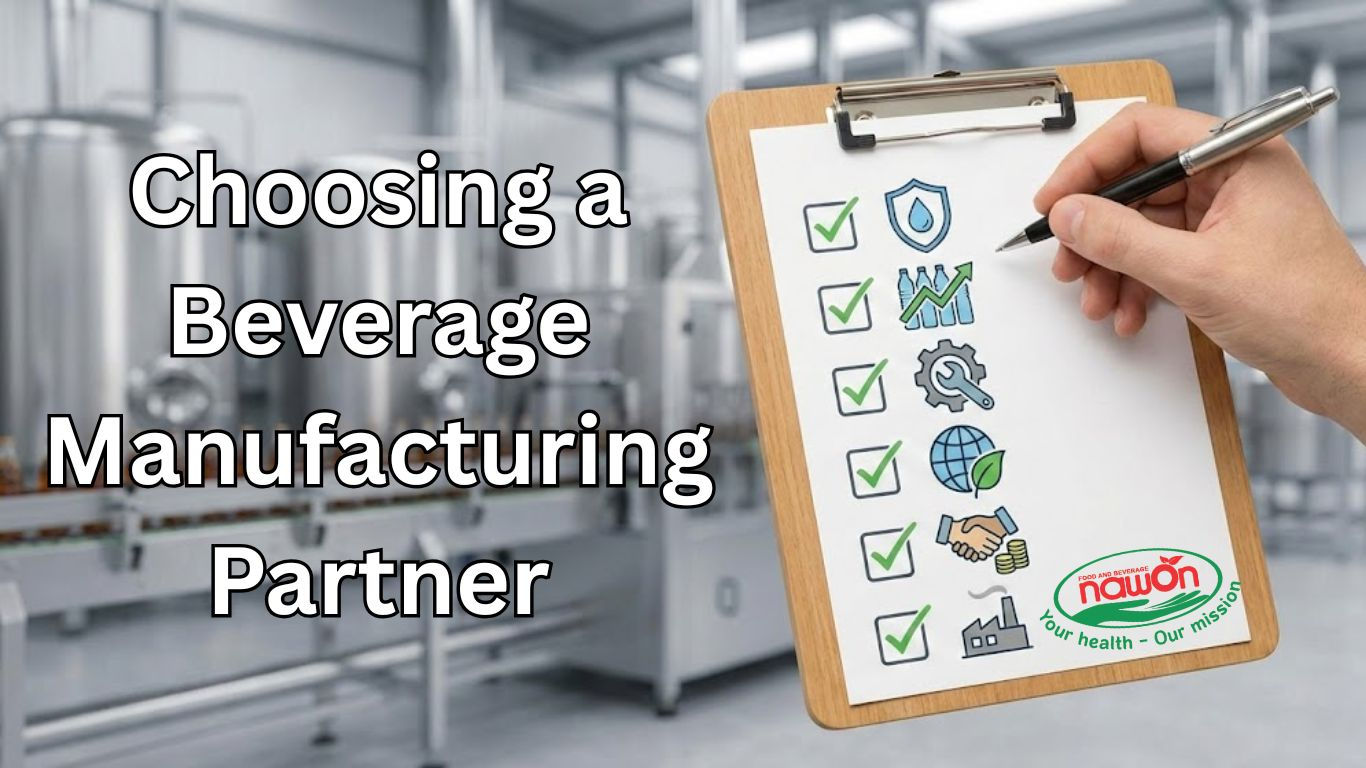
Quick Checklist Before You Shortlist Manufacturers
If a manufacturer can’t answer these quickly, move on:
- Do they have proven experience with your beverage type (still, carbonated, functional, dairy, plant-based, alcoholic, etc.)?
- Can they run your required format: canning, bottling, hot-fill, or aseptic filling?
- What food safety system do they follow, and what certifications do they hold or support (SQF/GFSI-aligned, HACCP, GMP)?
- What are their real MOQs for your package size and ingredients?
- Do they support formulation, stability testing, and shelf-life work?
- How do they report schedules, delays, and quality results?
- What is their on-time delivery performance over the last 6–12 months?
Category Fit and Manufacturing Capabilities
A “good manufacturer” isn’t automatically a good fit for your product. Start with category experience and line compatibility.
Canning, bottling, or aseptic: match the line to the product
Ask what formats they run every week, not what they can run “in theory.”
- Canning: great for carbonated drinks and many functional beverages, but requires tight control on dissolved oxygen, seam integrity, and liner compatibility.
- Bottling (PET/glass): common for juices, teas, and RTD products; pay attention to cap torque, hot-fill limits, and oxygen pickup.
- Aseptic filling: applicable to shelf-stable products that require a longer shelf life with minimal preservatives. It’s a different world; equipment, validation, and operational discipline matter.
If you’re comparing beverage manufacturing companies, confirm they have the exact equipment needed for your packaging and your process (carbonation, hot-fill, cold-fill, tunnel pasteurization, retort, or aseptic).
Technical limits that matter
Bring your “non-negotiables” to the first call:
- Carbonation level and target CO₂ retention
- Product acidity (pH), brix, and viscosity
- Heat sensitivity of functional ingredients
- Pulp/particulate handling limits
- Sweetener system and stability requirements
- Shelf-life target and storage conditions
A capable partner will translate these into process controls, not vague reassurance.
Quality Systems, Food Safety, and Certifications
This is where deals quietly fail. Quality isn’t just “we’re careful.” It’s systems, records, and repeatability.
SQF/GFSI expectations and what to ask for
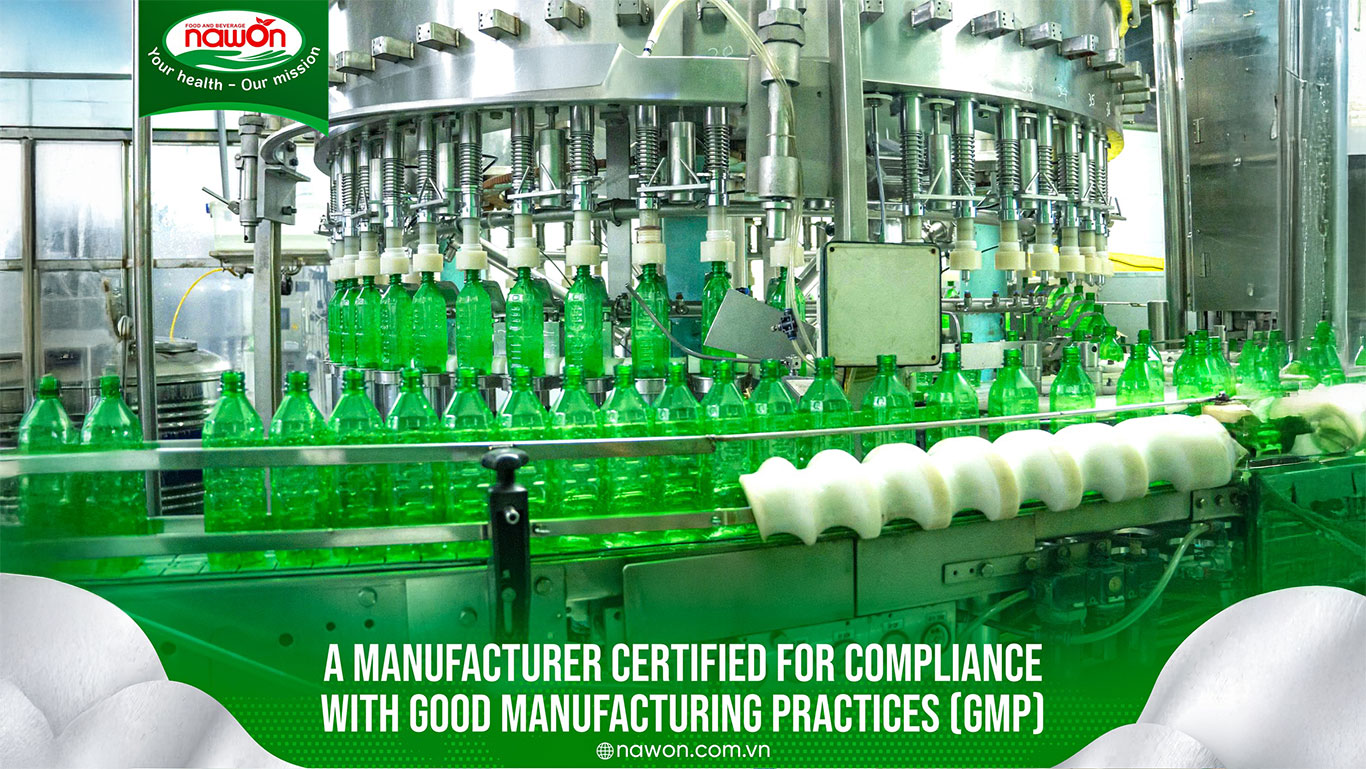
Many brands and retailers expect a GFSI-recognized program or equivalent food safety management maturity. Even if you don’t need a specific certificate today, you want a partner whose operation can support it as you grow.
Ask for:
- Their current certifications (and the certificate scope, facility, product type, and line)
- Last audit date and non-conformance handling approach
- HACCP plan ownership and review cadence
- Allergen control program (even for “non-allergen” drinks)
- Environmental monitoring (when relevant) and sanitation validation
Documentation that protects you
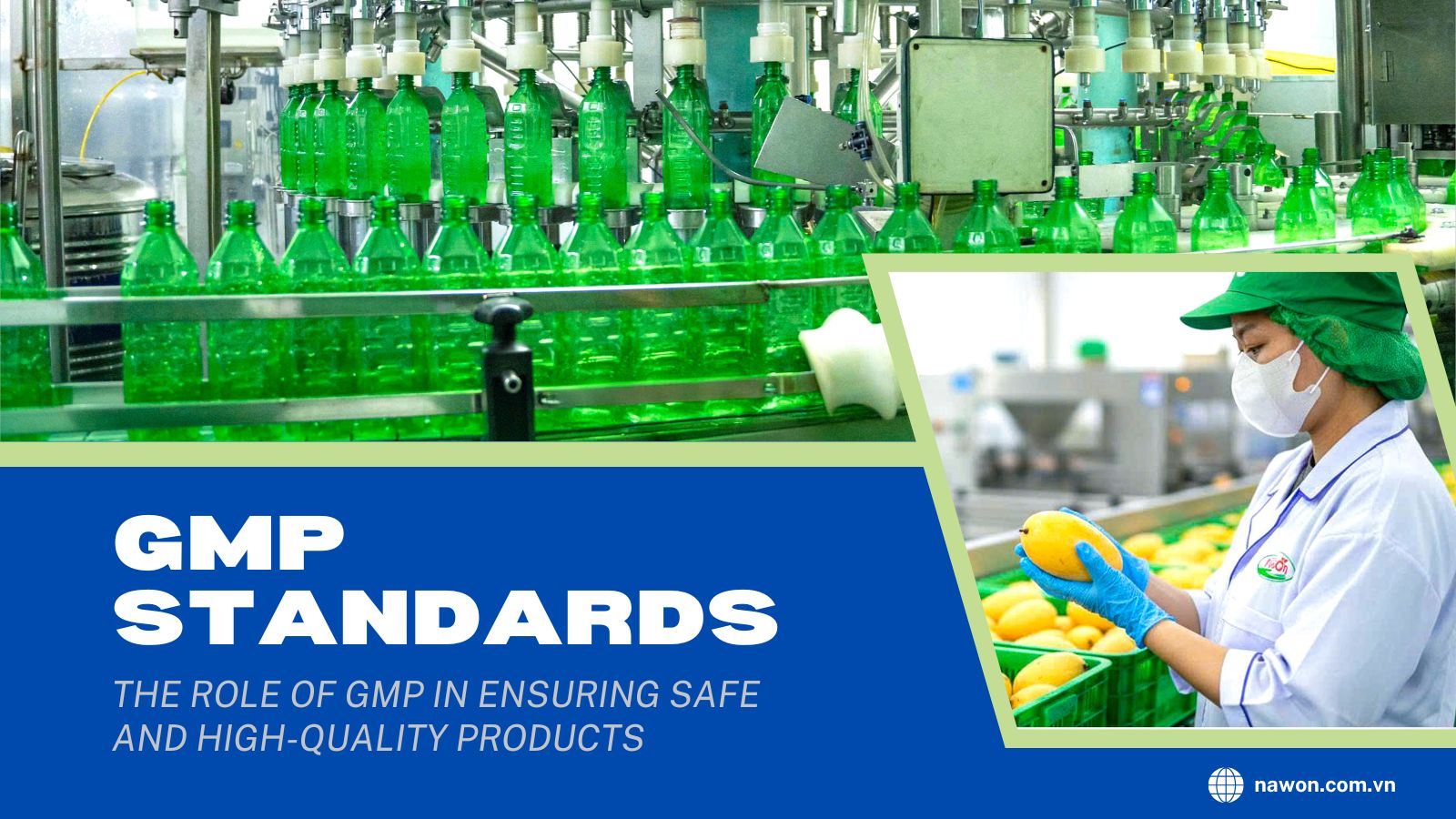
Strong manufacturers provide documentation without drama:
- COA/specs for key ingredients
- Traceability records (ingredient → batch → pallet)
- Finished goods testing standards and retain samples
- Deviation and corrective action reports
- Recall plan and mock recall performance
If you’re exporting, add label compliance and export documentation to the list. Regulatory readiness is part of product quality.
Capacity, Lead Times, and Scalability
Capacity is not the number in a brochure. It’s what they can run reliably with your SKU complexity and changeovers.
How to verify real capacity
Ask questions that force specifics:
- How many changeovers per day/week on the line you’ll use?
- What is their average line efficiency (OEE) on similar products?
- What is the typical queue time for new customers?
- What happens during peak season? Who gets priority?
- Can they add shifts, add a line, or reallocate labor when demand spikes?
Your goal: choose a partner that meets current volume and supports a clean ramp, instead of forcing a facility change right after launch.
MOQs, Cost Structure, and Commercial Fit
MOQs are not “the manufacturer being difficult.” They come from run efficiency, ingredient minimums, packaging procurement, and warehouse flow.
Where MOQs come from
Standard MOQ drivers include:
- Minimum order quantities for cans, ends, bottles, caps, labels, and cartons
- Line run length needed to control unit cost and waste
- Set up, sanitation, and validation time between SKUs
- Ingredient purchasing minimums (especially specialty functional inputs)
A good conversation is not “Can you lower MOQ?” but “What changes reduce MOQ without breaking economics?”
Examples: fewer label variants, standard components, consolidated flavors, or planned production windows.
Hidden costs to watch
When evaluating beverage manufacturing solutions, the cheapest unit cost can still be the most expensive launch if you ignore:
- Component overage requirements (labels/cans/caps)
- Storage fees for components and finished goods
- QC testing fees and special inspections
- Freight and pallet configuration
- Changeover charges for multiple SKUs
- Rush fees and schedule movement penalties
Ask for a clear cost breakdown and a simple “what changes the price” explanation.
Ingredient Sourcing and Supply Chain Reliability
You can’t make a consistent beverage with inconsistent inputs. Ingredient sourcing is a core part of manufacturing performance.
What to check
- Supplier approval process and incoming inspection standards
- Alternatives for at-risk ingredients (sweeteners, acids, flavors)
- Seasonal planning for fruit-based products
- Storage conditions and shelf-life management (FIFO/FEFO)
If your brand depends on fruit character, consistency in fruit base/purée/concentrate matters as much as the filling line.
R&D and Formulation Support
The best partners don’t just “run your recipe.” They help you make it manufacturable at scale.
Bench samples, shelf-life, sensory, stability
Look for an R&D workflow with clear gates:
- Bench or pilot trials with documented adjustments
- Stability testing plan (temperature, light, time)
- Sensory checks tied to measurable specs
- Shelf-life validation aligned to your distribution reality
A practical R&D team helps you avoid issues like separation, color drift, off-notes, or carbonation loss that only show up after you’ve shipped pallets.
Regulatory and labeling support
Ask whether they support:
- Ingredient statement and allergen review
- Nutrition panel inputs (through data or testing partners)
- Claims review (functional ingredients, “no added sugar,” etc.)
- Country-specific export considerations when relevant

Packaging Options, Sustainability, and Brand Requirements
Packaging is your product’s first impression and a frequent failure point.
Packaging compatibility to confirm early
- Closure compatibility (caps, liners, induction seals)
- Label materials and adhesives for cold chain or moisture
- Shrink sleeve tolerances and artwork requirements
- Carton strength and pallet pattern for freight stress
- Print/ink requirements if you have sustainability standards
If sustainability matters, discuss lightweighting, recyclable materials, and waste-reduction practices, and translate that into available components and real lead times.
Communication, Transparency, and On-Time Delivery
A manufacturing relationship lives or dies on visibility. You want a partner who shares problems early, not one who hides them until your launch date is past.
Reporting that prevents surprises.
Strong operations typically provide:
- A committed production schedule with weekly confirmation
- Clear lead times for ingredients and packaging
- Batch records and quality release timing
- A single accountable point of contact
- A documented change-control process for formula or packaging changes
Also, ask for a realistic view of on-time delivery performance and how they handle disruptions.
Why Nawon for Beverage Manufacturing Solutions
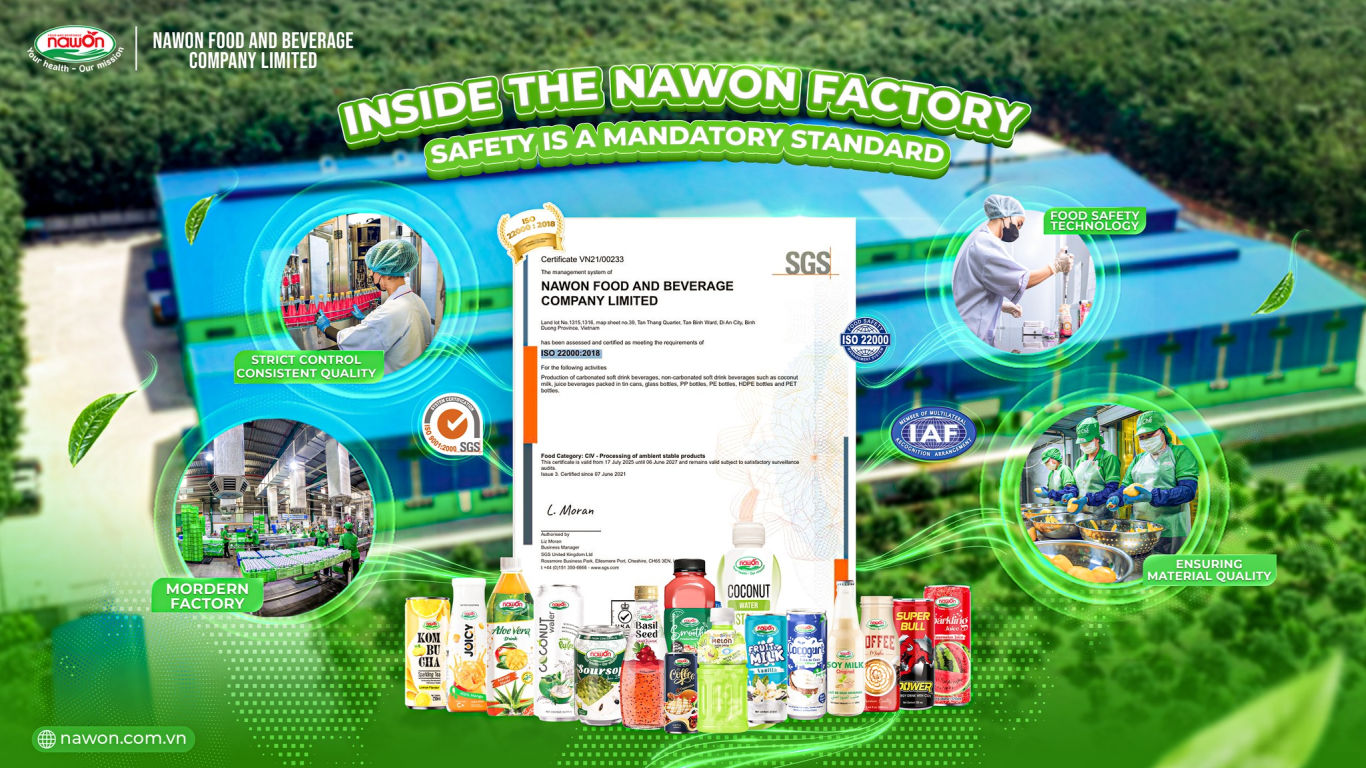
If you’re looking for a partner that can support brands beyond simple co-packing, Nawon provides beverage manufacturing solutions built for long-term scale: product development support, disciplined quality management, flexible production planning, and export-ready coordination for brands selling across markets.
Where Nawon fits best:
- Brand owners scaling globally who need consistent quality and dependable delivery
- Fruit-forward and functional concepts that depend on stable inputs and strong R&D support
- Teams that want precise communication specs, schedules, documentation, and change control handled cleanly
Nawon’s approach is straightforward: align product requirements with the proper process (bottling, canning, or aseptic where appropriate), lock specifications, validate stability, then run production with repeatable controls so every batch matches the benchmark.
FAQ
What certifications should I look for in beverage manufacturing companies?
Look for strong food safety systems (HACCP, GMP) and, when required by your customers, GFSI-recognized certifications such as SQF. Also evaluate documentation quality: traceability, corrective actions, and finished goods release processes.
How do I know a manufacturer can really scale with my brand?
Ask about real line utilization, changeover frequency, peak-season constraints, and what options they have to add shifts or allocate capacity. Request evidence from comparable products, not generic promises.
Are low MOQs always better?
Not necessarily. Very low MOQs can lead to higher unit costs, rushed component procurement, or unstable scheduling. The best MOQ is the one that aligns with your cash flow while maintaining process controls and unit economics.
When should I hire beverage manufacturing consultants?
Consider beverage manufacturing consultants when you’re launching a technically demanding product, entering new markets, or need to compare manufacturers with fewer missteps quickly.
What should I send manufacturers before the first call?
A one-page brief works: product type, ingredients, target shelf-life, packaging format, expected volumes, required certifications, target launch date, and any “must-have” constraints (sweeteners, claims, allergens, carbonation, particulates).