
The demand for natural hydration is shifting from a passing health trend to a global pantry staple. With the coconut water market projected to exceed $22 billion by 2034, the opportunity is massive. However, the barrier to entry isn’t demand; it’s logistics. Coconut water is highly perishable, meaning your success hinges on how effectively you manage the supply chain from the farm to the fridge.
Here is a step-by-step guide to building a scalable coconut water business.
Select Your Business Model
Before you spend a dime, decide how involved you want to be in the manufacturing process. Your choice here dictates your startup costs and speed to market.
Private Label (OEM/ODM)
This is the most practical route for new entrepreneurs. Instead of building a factory, you partner with an established manufacturer (like Nawon F&B or primary packers in Southeast Asia). They handle the extraction, processing, and packaging. You slap your label on the finished product. This lowers your initial risk and lets you focus entirely on marketing and sales.
View more about our service: Private Label Beverage Service
In-House Manufacturing
If you want total control over the taste profile and quality, you can build your own facility. Be warned: this requires heavy capital investment. You will need industrial juice extractors, filtration systems, and aseptic bottling lines to ensure the product remains safe without heavy preservatives.
Hyper-Local Fresh Delivery
This model focuses on raw, unpasteurized water. The advantage is superior taste; the downside is shelf life. You are limited to a specific geographic radius (e.g., a single city) because the product must be consumed within a few days.
Sourcing and Production Standards
Your product is only as good as your raw materials. Coconuts vary wildly in taste depending on soil salinity and region.
- Secure Premium Supply: Look for suppliers in regions known for sweeter, nuttier water, such as Ben Tre, Vietnam, or the coastal belts of India. You need a partner who can guarantee a consistent volume of young green coconuts year-round, not just during peak harvest seasons.
- Preservation Technology: To sell in retail stores, you cannot rely on raw water. You must use Aseptic Cold Filling or UHT (Ultra High Temperature) processing. These methods flash-heat the water to kill bacteria without boiling away the nutrients, giving you a shelf life of up to 12 months without refrigeration.
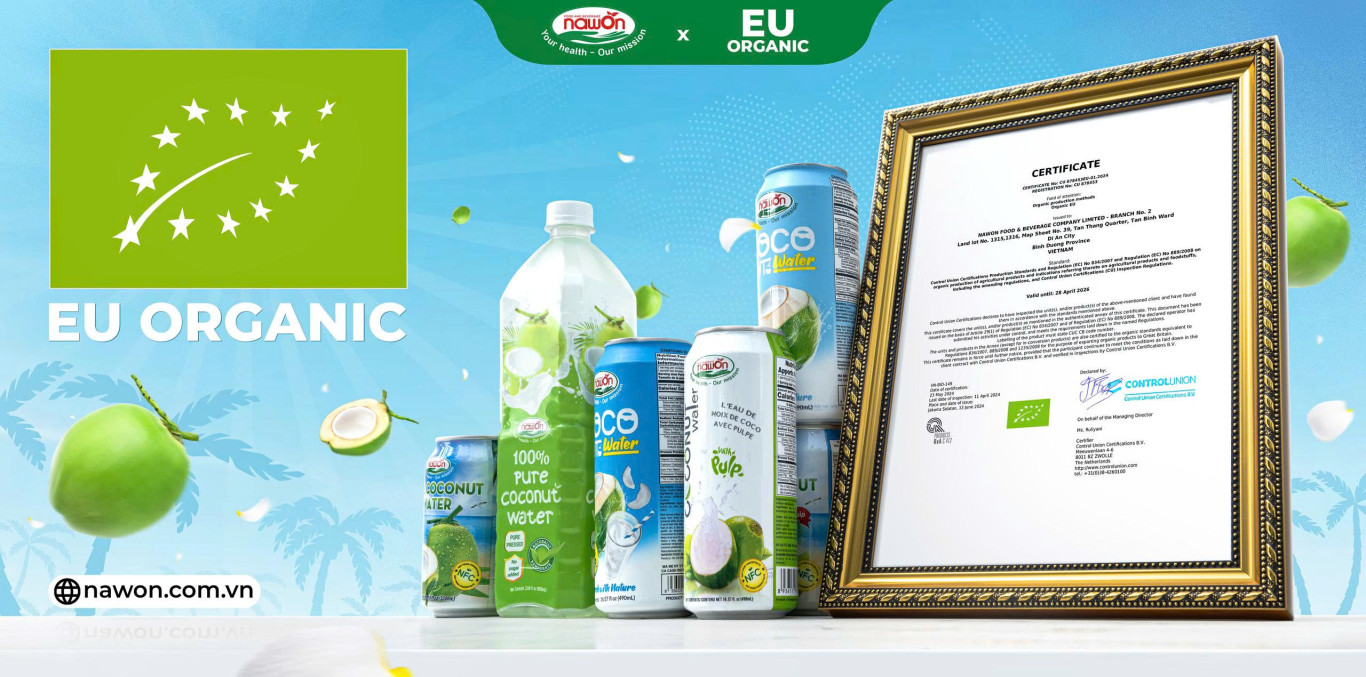
- Compliance & Certifications: Retailers won’t touch your product without the proper paperwork. Secure certifications like FDA, HACCP, BRC, or Organic. These aren’t just badges; they are proof that your supply chain is safe and traceable.
Carving Out Your Niche
The beverage aisle is crowded. A generic “100% Coconut Water” label might get lost among giants like Vita Coco or Harmless Harvest. You need a unique angle.
Differentiate Your Product
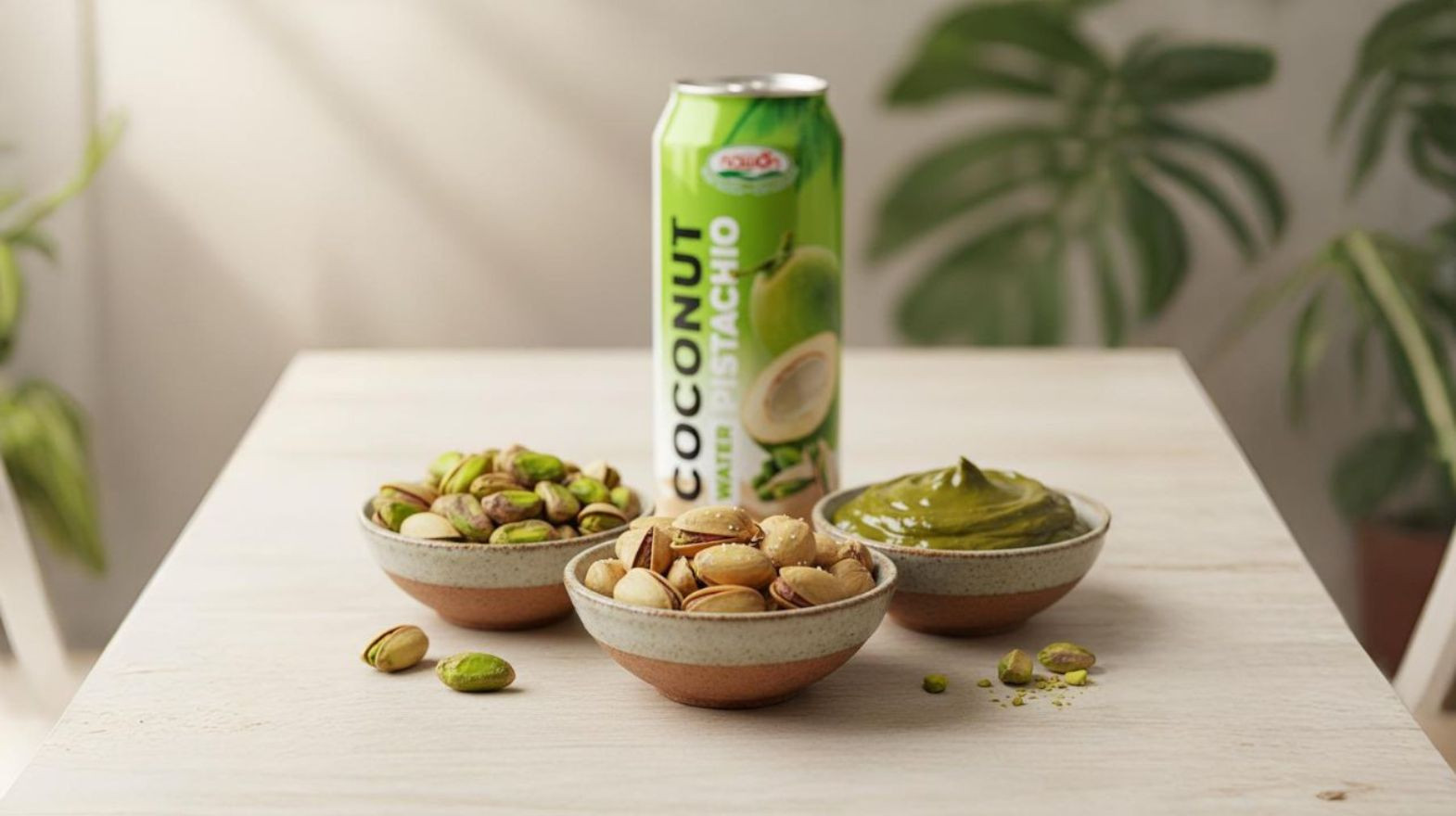
- Functional Blends: Add value by mixing coconut water with electrolytes, collagen, or caffeine for a pre-workout boost.
- Flavor Innovations: Pure coconut water can be polarizing. Blends coconut water with pineapple, mango, or watermelon can attract consumers who dislike the raw nutty flavor.
- Sparkling: Carbonated coconut water is a growing category that positions the drink as a soda alternative.
Choose the Right Packaging
- Tetra Pak (Aseptic Cartons): The industry standard. It’s lightweight, stackable, and protects the liquid from light and air.
- Aluminum Cans: Offer a premium, sleek look and are infinitely recyclable, appealing to eco-conscious buyers.
- PET Bottles: Best for convenience stores and gyms where consumers want a resealable option.
Legalities and Logistics
Once you have a product, you need to move it legally and safely.
- Business Registration: Structure your company (e.g., LLC or Private Limited) and obtain necessary food safety licenses. For example, in India, an FSSAI license is non-negotiable; in the US, you need FDA facility registration.
- The Cold Chain: If you are selling fresh or lightly pasteurized water, you must maintain a strict cold chain during transport. One broken refrigeration unit can spoil an entire shipment.
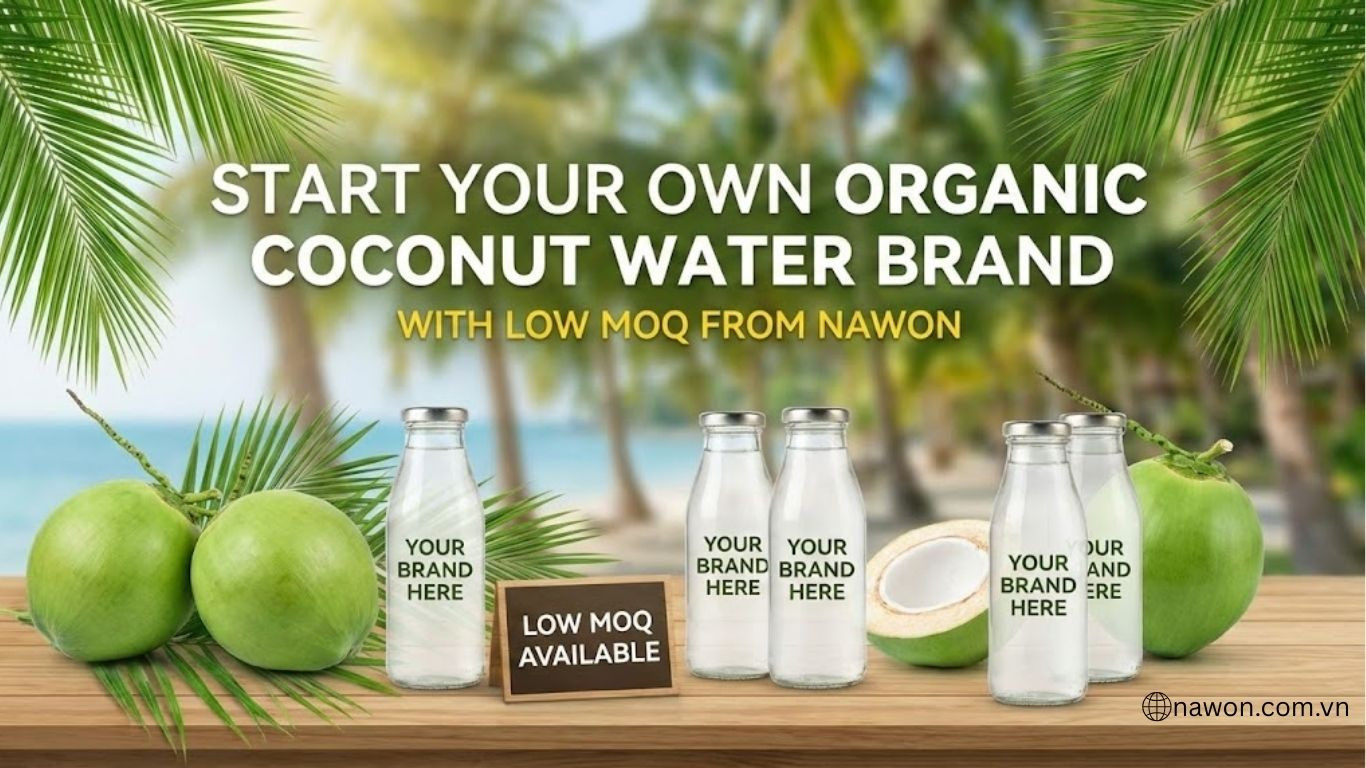
- Minimum Order Quantities (MOQ): If you choose the private-label route, be prepared for high-volume requirements. Overseas manufacturers often require a commitment of 2–4 Full Container Loads (FCL) for the first run to justify the time required for production setup.
Marketing and Investment
How much cash do you need to get off the ground?
- Small Scale: A local, fresh-delivery operation can start with roughly $6,000–$12,000. This covers basic equipment, branding, and local delivery logistics.
- Retail Scale: To launch a shelf-stable brand with inventory, warehousing, and marketing, expect upfront costs of $60,000+ or more.
Distribution Strategy
Don’t try to be everywhere at once. Start with specialty health stores and high-end grocers where customers are less price-sensitive. Simultaneously, build a direct-to-consumer (DTC) channel via your website. Use social media to educate consumers about specific benefits, such as hydration efficiency and potassium content, rather than just posting generic product shots.
Conclusion and Next Steps
Starting a coconut beverage brand is a significant opportunity. Don’t let high-volume requirements stop your business idea.
Partner with Nawon – the leading Organic Coconut Water Manufacturer with Low MOQ solutions. We provide the infrastructure, the certifications, and the flexibility you need to scale from a startup to a global brand.
- Step 1: Request a Free Sample.
- Step 2: Schedule a consultation to determine the best packaging for small runs.
- Step 3: Start your production.
👉 [Contact Nawon for a Low MOQ Quote Today]