
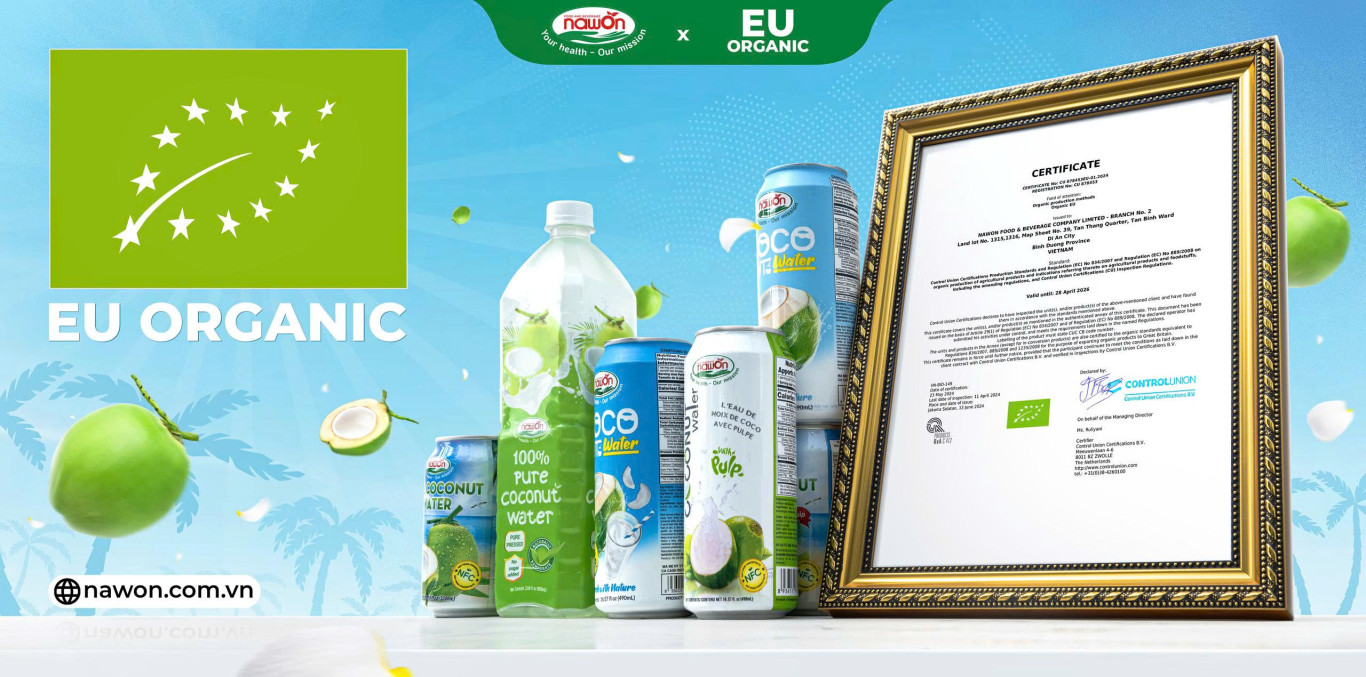
EU Organic Certification has become a growing concern for consumers who want tasty, clean, safe, and environmentally responsible products. It is now seen as a “passport” that helps beverage brands overcome export barriers and build trust with international customers. More than just a mark of quality, this certification also creates access to demanding markets such as Europe, the US, Japan, and Korea. What makes EU Organic Certification the “golden key” of the global beverage industry? Let us explore further.
What is the EU Organic certificate?
The EU Organic certificate is a regulatory standard developed by the European Union for organic farming and processing. Products with this certification must comply with strict production methods, ingredient sourcing, and environmental responsibility requirements. The certification is widely recognized in Europe and beyond, making it a valuable mark for international trade.
The symbol of the EU Organic certificate is a green leaf logo with twelve white stars forming the shape of a leaf. This logo is mandatory for all certified organic products in the European Union. Its presence guarantees that the product respects the established organic regulations and offers transparency to consumers about its origin and production methods.
In the beverage sector, from fruit juices to wine and tea, the EU Organic certificate assures that every stage of production aligns with the organic principles defined by the EU. This consistency is a key reason the certification is trusted across global markets.
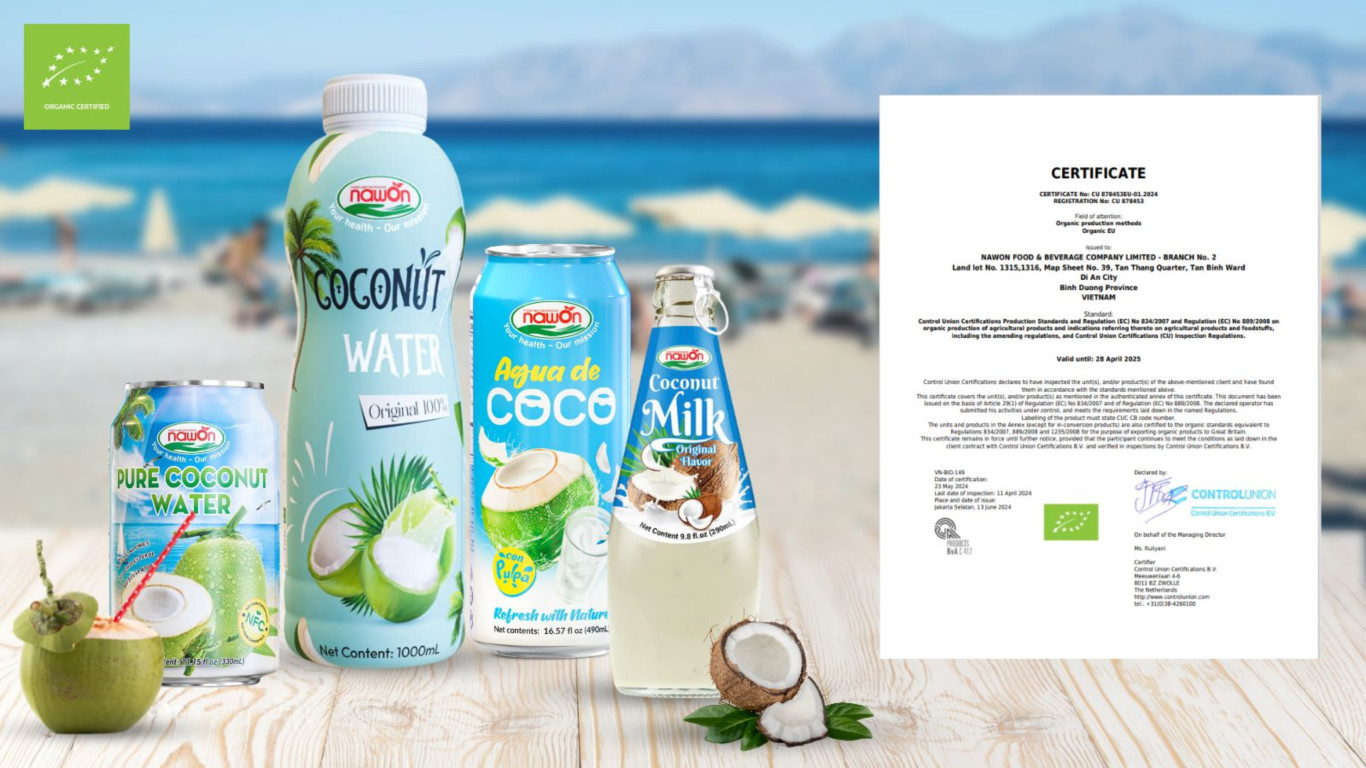
Core principles of EU Organic standards
The EU Organic certificate is built on specific principles that guide how agricultural products and beverages must be produced. These principles aim to ensure sustainability, authenticity, and ethical responsibility.
Production methods
Certified products must come from agricultural systems that minimize synthetic inputs. This includes prohibiting chemical pesticides, genetically modified organisms, and artificial fertilizers. Instead, organic farming focuses on crop rotation, natural fertilizers, and ecological balance.
For beverages, this means that the fruits, grains, or herbs used in production must originate from farms that strictly follow organic practices. Every batch must be traceable back to these certified sources.
Processing requirements
The EU Organic certificate does not stop at farming. It also covers processing facilities. Production sites must avoid unnecessary additives and processing aids. Any permitted substances must come from an approved list defined by the European Union.
For example, only a few natural stabilizers and sweeteners are allowed in organic juice production, ensuring the beverage remains as close as possible to its natural state.
Transparency and labeling
Transparency is a fundamental aspect of the certification. Every certified product must carry the EU Organic logo and clearly identify its origin. Labels must show the certification body’s code and the farming country. This system allows consumers to trace the product from farm to shelf.
Together, these principles ensure the EU Organic certificate remains a trustworthy benchmark for organic products worldwide.
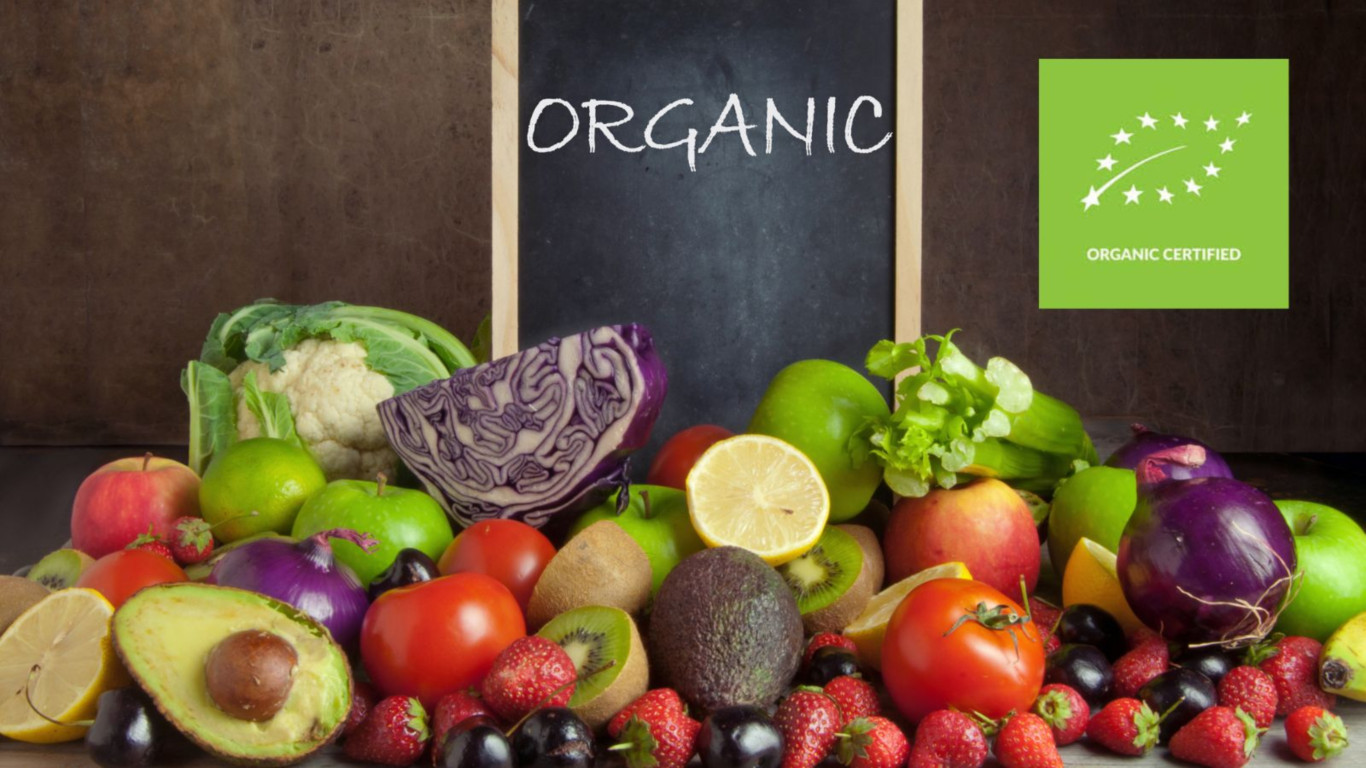
Why is EU Organic Certification the “Golden Key” for beverage brands?
The EU Organic certificate shapes consumer trust and guides purchasing decisions. The certification offers several advantages in the beverage industry, where origin and quality are crucial.
Consumer trust
Modern consumers increasingly look for authenticity in their food and beverage choices. The EU Organic certificate assures them that the product is produced without harmful chemicals or shortcuts. This assurance influences buying decisions and encourages brand loyalty.
Certified products gain easier acceptance among distributors, retailers, and consumers in demanding markets such as Europe, the US, and Japan. It demonstrates that the brand prioritizes quality and consumer health above all.
Market access
With the growing healthy lifestyle trend, consumers are willing to pay more for organic beverages. Certification clearly sets a brand apart from conventional products.
Recognized across all 27 EU countries and many global markets, the EU Organic Certification reduces trade barriers and accelerates market entry, making international expansion smoother.
The EU Organic certificate is essential for beverage brands aiming to enter or expand within the European Union. Without it, companies cannot label their products as organic in the EU market. It also provides access to international trade partners who rely on EU standards as a reference for quality.
Brand positioning
In a competitive beverage market, standing out is crucial. Carrying the EU Organic certificate allows brands to highlight their commitment to sustainability and authenticity. This positioning resonates strongly with environmentally conscious consumers and premium market segments.
Overall, the certification adds value to the product and the reputation of the brand that carries it.
The EU Organic certificate is more than just a label. It represents a comprehensive farming, processing, and labeling system that ensures authenticity and sustainability. It is a powerful tool for the beverage industry to build consumer trust, gain access to new markets, and strengthen brand reputation. With its globally recognized standards, the certification plays a central role in shaping the future of organic beverages.