

Creating a commercially successful drink requires more than a great recipe. The foundation of any winning product lies in precise beverage formulation. This highly technical process dictates everything from the initial flavor impact to how well the liquid holds up during international shipping.
For entrepreneurs and established brands alike, understanding the beverage formulation process is critical. A well-designed drink formulation strategy perfectly balances sensory appeal, structural integrity, and brand identity. It ensures the product tastes excellent, remains safe on the shelf, and clearly communicates its value to the target consumer.
Poor formulation leads to separated liquids, fading flavors, and ultimately, rejected products. Conversely, a scientifically validated formulation protects the brand reputation and minimizes costly manufacturing errors. It is the exact blueprint that turns a conceptual idea into a scalable commercial reality.
The Role of Beverage Formulation in Taste and Sensory Experience
Taste remains the primary driver of repeat beverage purchases. However, beverage taste development is a complex science that goes far beyond simply mixing ingredients. Formulation defines exactly how a consumer perceives a product from the moment they open the bottle to the final aftertaste.
Designing effective drink flavor systems requires a delicate balance of sweetness, acidity, and aroma. Every ingredient interacts. A slight adjustment in citric acid or malic acid can completely alter how the palate perceives a fruit flavor. Formulators must carefully build flavor profiles using top notes for immediate impact and base notes for a lingering, pleasant finish.
This sensory balance is especially difficult in the formulation of functional beverages. Functional ingredients like botanical extracts, vitamins, and plant proteins often carry bitter, metallic, or astringent off-notes. Skilled formulators use specialized flavor masking agents to neutralize these undesirable tastes. This allows the primary flavor profile to shine without compromising the functional benefits.
Mouthfeel and texture are equally important to the sensory experience. Formulators use hydrocolloids such as pectin, xanthan gum, or gellan gum to achieve a specific viscosity. A premium mango juice blend requires a thicker, richer mouthfeel to signal quality. A refreshing sports hydration drink must remain exceptionally light and clean to quench thirst quickly.
Ensuring Physical and Chemical Stability in Beverage Products
A great-tasting drink is useless if it separates, changes color, or spoils before reaching the consumer. Physical and chemical stability is the absolute cornerstone of commercial beverage product development. It guarantees that the product leaving the manufacturing facility is identical to the product purchased by a consumer six months later.
To maintain this integrity, formulators must address several critical stability factors during the R&D process:
- Emulsion Stability: Many modern drinks rely on oil-based flavors, clouding agents, or functional lipids. Because oil and water do not naturally mix, formulators must create stable beverage emulsions through precise engineering and the use of weighting agents. Without them, oil droplets merge and float to the top, creating an unappealing ring that leads to consumer rejection.
- Oxidation Control: Exposure to oxygen causes rapid flavor degradation, nutrient loss, and color shifting. Clear juices can turn brown, and vibrant citrus flavors can become flat. Formulators combat this by adding antioxidants such as ascorbic acid and using specialized deaeration equipment during blending.
- Strict pH Control: Mandatory for microbial safety and regulatory compliance. Most commercial fruit juices, teas, and soft drinks maintain a pH below 4.6 to prevent the growth of harmful pathogens. Maintaining this exact acidity level requires careful buffering systems that stabilize the pH without negatively impacting the taste profile.
- Shelf-Life Testing: Accelerated shelf-life testing involves exposing the beverage to high temperatures, humidity, and intense UV light to simulate months of warehouse storage in a matter of weeks. This allows R&D teams to identify potential separation or flavor loss issues before mass production.
- Packaging Compatibility: The liquid formulation must be strictly compatible with the chosen container. Hot fill processes require formulations that withstand high temperatures, while clear PET bottles require formulations with high UV resistance to prevent light-induced damage.
To illustrate how R&D teams handle these challenges, here is a breakdown of common manufacturing faults and their specific formulation solutions:
| Common Stability Issue | Physical/Chemical Cause | R&D Formulation Solution |
|---|---|---|
| Emulsion Separation (Ringing) | Oil and water components repel each other over time. | Apply specific weighting agents and hydrocolloid stabilizers; optimize homogenization pressure. |
| Oxidation (Color/Flavor Fading) | Dissolved oxygen reacts with flavor compounds and natural colors. | Incorporate antioxidants (e.g., ascorbic acid) and utilize vacuum deaeration tanks during blending. |
| Microbial Spoilage | High pH or inadequate thermal processing allows bacterial growth. | Implement strict pH buffering systems (target pH < 4.6) and validate thermal processing parameters. |
| Sedimentation (Sinking Particles) | Insoluble ingredients (like cocoa or fruit pulp) settle at the bottom. | Adjust liquid viscosity using specific gums (xanthan, gellan) to keep particles suspended evenly. |
How Beverage Formulation Shapes Market Positioning
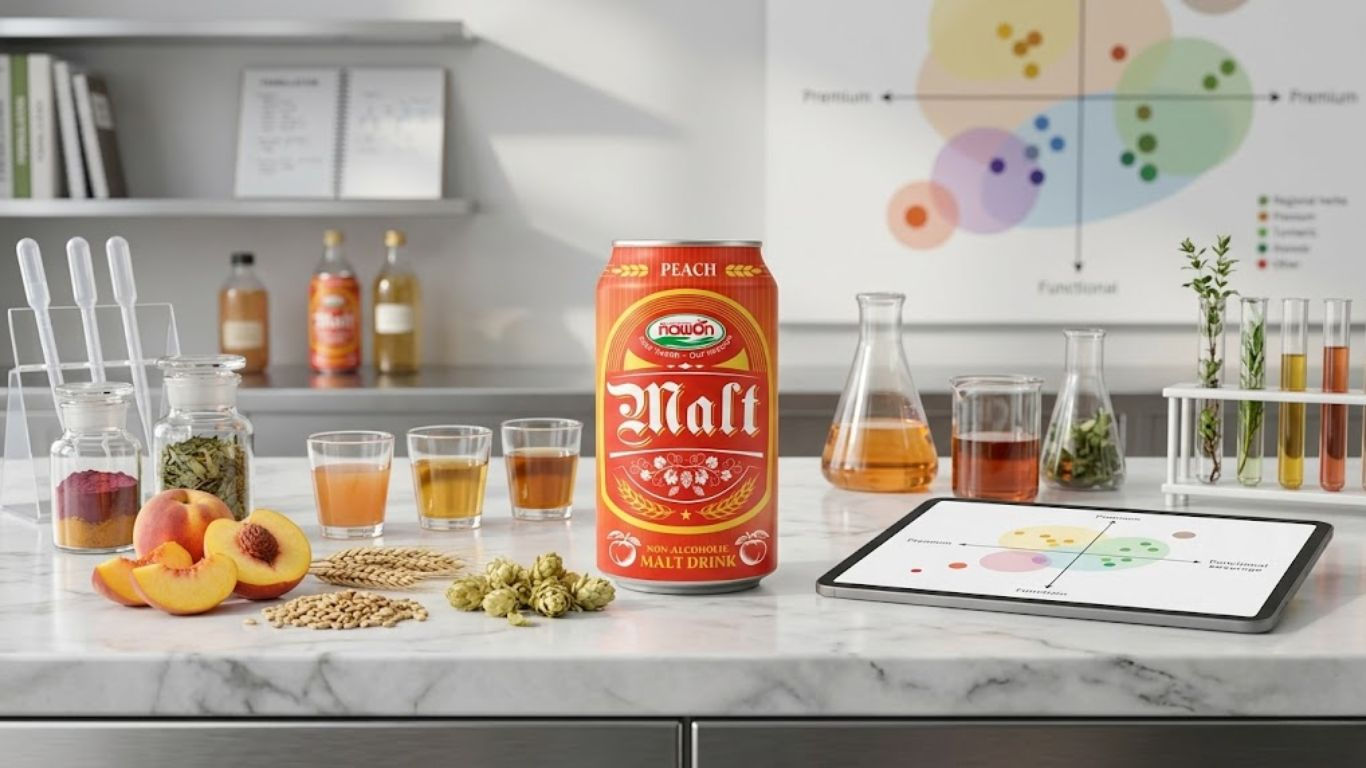
Beverage market positioning relies entirely on the physical product delivering the promises printed on the label. Strategic formulation directly supports brand strategy by aligning the ingredient deck with consumer expectations and market trends.
Functional Positioning
Products marketed as immunity boosters, energy enhancers, or cognitive aids require specific, scientifically backed ingredient combinations. The formulation must deliver the effective, legal dosage of active ingredients while maintaining an appealing taste and stable appearance.
Clean Label Formulation
Consumers actively seek out products with short, recognizable ingredient lists. Brands must replace synthetic dyes with natural colors derived from fruits and vegetables, and swap artificial preservatives for natural alternatives or advanced thermal processing techniques.
Regional Taste Adaptation
A drink formulation strategy that works in North America might fail in Asia or Europe due to differing palate preferences. Formulators adjust sweetness levels, tweak acidity profiles, and highlight specific regional flavor notes to match local market expectations.
Sugar Reduction Strategies
Brands looking to capture health-conscious consumers must lower calories without sacrificing mouthfeel or taste. This involves complex blends of natural sweeteners paired with specific flavor modulators to mimic the heavy, satisfying mouthfeel of traditional liquid sucrose.
Key Formulation Strategies Used by Modern Beverage Brands
To stay competitive and solve common manufacturing challenges, successful brands employ highly advanced techniques during the beverage R&D process:
- Multi-Sweetener Systems: Instead of a single high-intensity sweetener, formulators combine options like stevia with erythritol or monk fruit. This minimizes bitter aftertastes and provides a clean flavor profile similar to that of regular sugar.
- Plant-Based Base Engineering: Working with oat, almond, or pea protein requires specialized enzymes and homogenization techniques to break down starches, preventing gritty textures and separation.
- Vitamin Fortification and Overage Calculation: Vitamins naturally degrade over time in liquid. Formulators calculate precise overages, adding extra vitamins during production to ensure nutritional label claims remain 100 percent accurate at the end of the shelf life.
- Flavor Modulation Systems: These natural compounds amplify perceived sweetness or reduce harsh bitterness without adding actual sugar, keeping nutritional panels clean.
- Natural Preservation Techniques: Combining precise pH control, natural antimicrobials, and specific pasteurization methods allows brands to achieve long, stable shelf lives without artificial chemical preservatives like sodium benzoate.
Why Beverage Brands Work with Experienced Manufacturers
Transitioning a beverage recipe from a small kitchen concept to a commercial production line is a massive operational leap. This requires precise recipe commercialization, which is why successful brands partner with experienced manufacturers for private label development and beverage co-packing services.
Professional manufacturing partners handle the entire complex R&D process. They employ dedicated food scientists and flavor chemists who understand exactly how raw ingredients behave at an industrial scale.
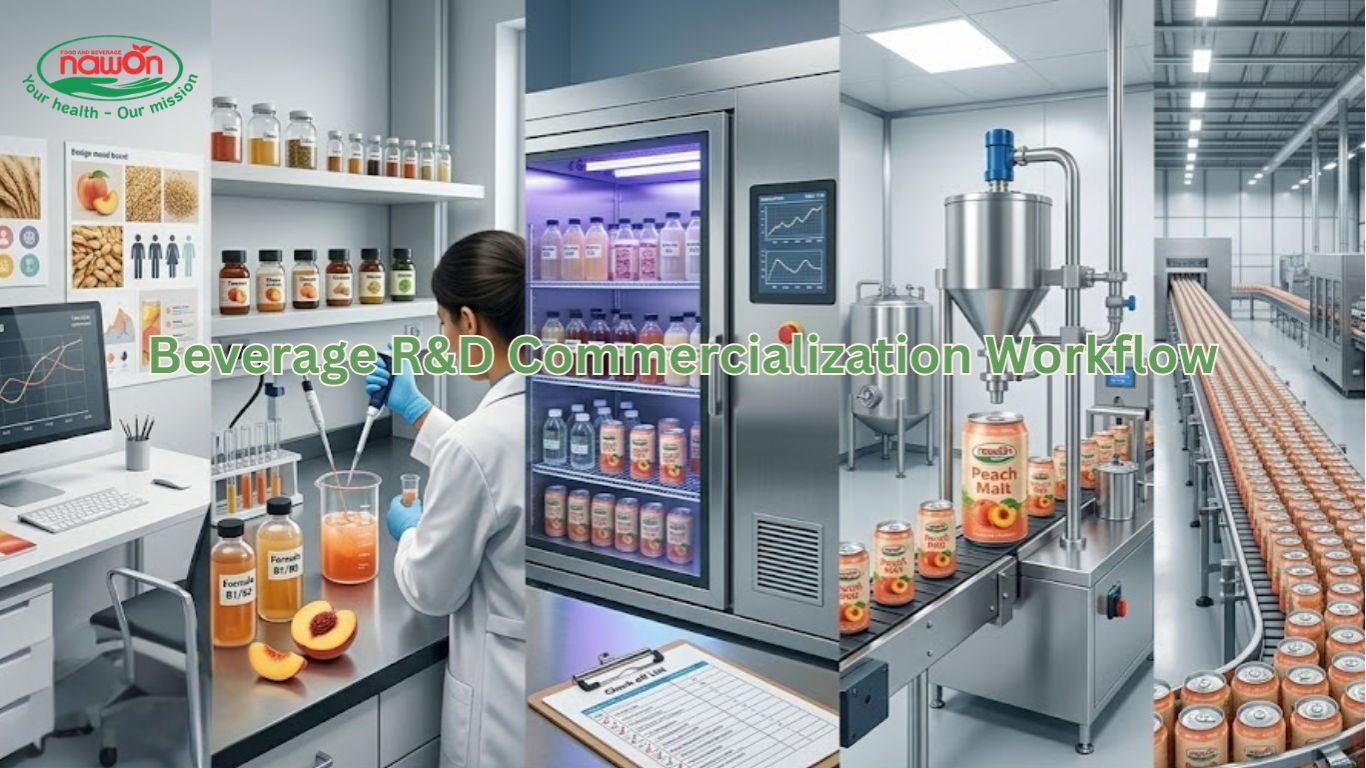
The 5-Step Beverage R&D Commercialization Workflow:
- Concept & Feasibility: Defining sensory targets, functional goals, and strict regulatory constraints based on the target market.
- Benchtop Formulation: Creating initial liquid prototypes in the laboratory to balance flavor, acidity, and overall mouthfeel.
- Stability & Shelf-Life Testing: Subjecting prototypes to accelerated thermal and UV testing to validate long-term physical integrity.
- Pilot Plant Trial: Scaling the approved recipe to a small batch run to test industrial blending, heating, and homogenization behaviors.
- Commercial Production: Finalizing the scalable formulation for high-speed automated filling lines and global distribution.
Established manufacturers also manage robust, global supply chains to source beverage raw materials and procure high-quality ingredients at better prices, ensuring final product profitability.
 Furthermore, a professional co-packing partner guarantees strict regulatory compliance and food safety. Facilities with international certifications such as ISO, HACCP, FDA, and Halal ensure your formulation meets rigorous global standards, preventing costly recalls and opening the door to international distribution.
For example, NAWON Food and Beverage provides the technical expertise and manufacturing capacity required for scalable beverage production. With a proven track record of developing over 500 successful formulations for global export, our R&D teams bridge the gap between initial concept and flawless commercial execution.
The Path to Commercial Success
The long-term success of any new drink relies heavily on the technical precision of its formulation. A perfectly engineered beverage seamlessly combines exceptional taste, robust physical stability, and highly targeted market appeal.
By prioritizing meticulous ingredient selection, advanced flavor systems, and rigorous stability testing, beverage brands avoid common production pitfalls. A professional formulation process protects the structural integrity of the product, ensures strict regulatory compliance, and guarantees that the drink resonates strongly with the intended consumer base.
Navigating these chemical and physical complexities requires specialized scientific knowledge and heavy industrial capabilities. Partnering with a certified, experienced manufacturing team ensures your beverage is formulated for shelf stability, sensory excellence, and global market success.
FAQ Section
What is beverage formulation? Beverage formulation is the scientific process of developing a drink recipe for commercial production. It involves selecting and balancing ingredients to achieve a specific taste, nutritional profile, and physical stability while ensuring the product is safe for mass manufacturing and long-term storage.
Why is beverage stability important? Beverage stability guarantees that a drink remains safe, visually appealing, and flavorful throughout its entire shelf life. Proper stability testing prevents critical issues like ingredient separation, color fading, flavor degradation, and harmful microbial growth before the product reaches consumers.
How does formulation affect drink taste? Formulation dictates taste by balancing sweetness, acidity, and aromatic compounds. It also involves using specific hydrocolloids to create the right mouthfeel and applying masking agents to hide bitter or metallic off-notes from vitamins and functional ingredients.
What is clean label beverage formulation? Clean label beverage formulation focuses on creating drinks using short, recognizable, and natural ingredient lists. It involves replacing artificial colors, synthetic flavors, and chemical preservatives with natural alternatives to build consumer trust and meet modern health trends.