
Explore the transformative forces redefining the global drink market in this in-depth analysis of the latest beverage industry trends. We delve into the world of innovative flavors, functional ingredients, and sustainable elements that are set to revolutionize how the world hydrates. Stay ahead of the curve by discovering the cutting-edge developments and shifting consumer behaviors that are shaping the future of the beverage landscape.
Next-Gen Beverage Trends: Navigating the Health and Wellness Revolution
The shift toward healthier lifestyles and conscious consumption has evolved from a temporary trend into the primary driving force behind the global beverage industry. Market research indicates that the functional beverage segment is projected to exceed $200 billion by 2030, maintaining a steady Compound Annual Growth Rate (CAGR) of 5 – 7%. This momentum is further validated by the fact that over 70% of modern consumers now actively prioritize plant-based ingredients and adaptogenic elixirs. These figures underscore a new era of innovation, where nutritional value and holistic health benefits are the ultimate priorities for product development.
The rise of functional beverages
Functional beverages have taken the world by storm, as more and more people are becoming health-conscious and seeking ways to improve their fitness levels. These drinks are infused with an array of essential nutrients, vitamins, and minerals, providing impressive health benefits to consumers.
Manufacturers are constantly experimenting with plant extracts, superfoods, and herbs to create functional beverages with unique flavors and benefits, making them an attractive choice for athletes and fitness enthusiasts alike.
With the increasing popularity of functional drinks, expect to see more innovative ingredients added to cater to individual needs.
Plant-Based drinks
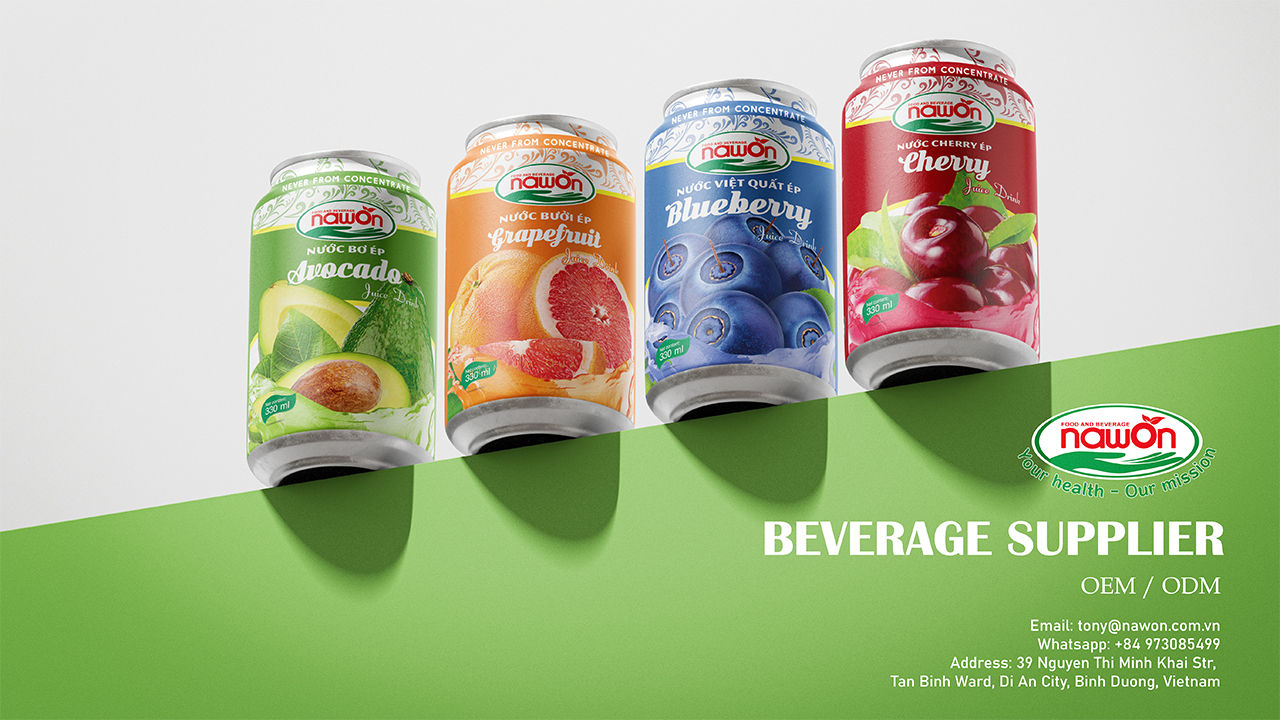
Plant-based drinks are non-dairy beverages derived from plant materials such as grains, legumes, nuts, seeds, or pseudo-cereals, processed to mimic the appearance and texture of traditional dairy. While once a niche market for vegans, they are now a mainstream staple for “flexitarians” and those with lactose intolerance.
To ensure a balanced nutritional profile, many of these drinks are fortified with essential vitamins (B12, D) and minerals (Calcium), making them a functional alternative to cow’s milk. Beyond personal health, they offer a significant environmental advantage, requiring fewer natural resources and generating lower carbon emissions than conventional dairy production. Their culinary versatility makes them ideal for everything from coffee and smoothies to complex cooking and baking.
Low- and No-Alcohol Beverages
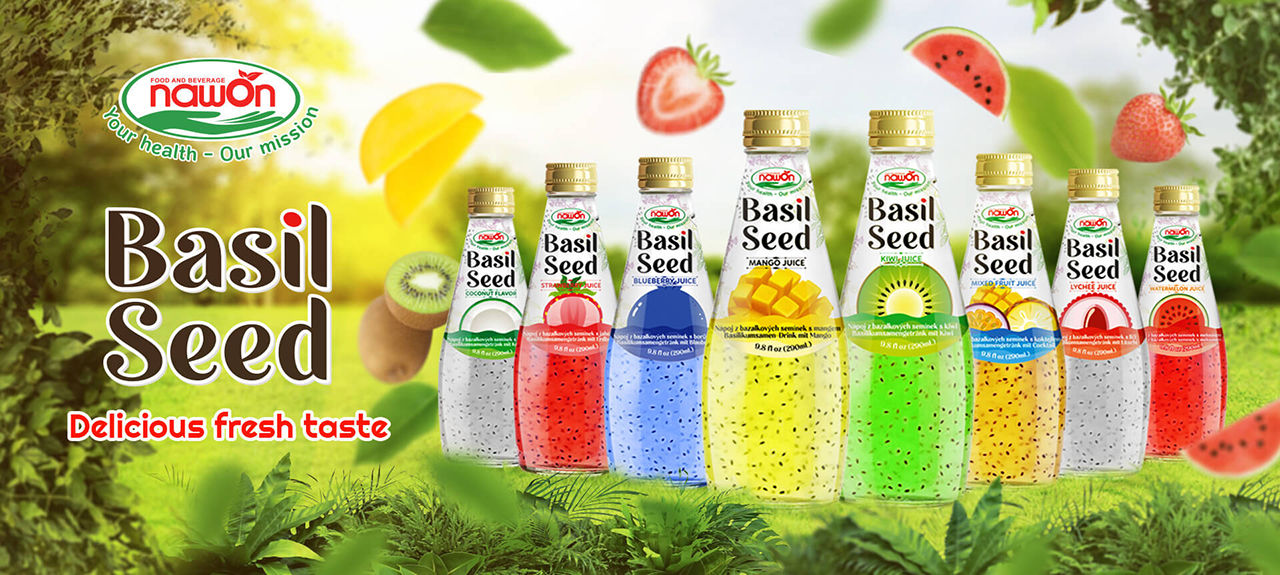
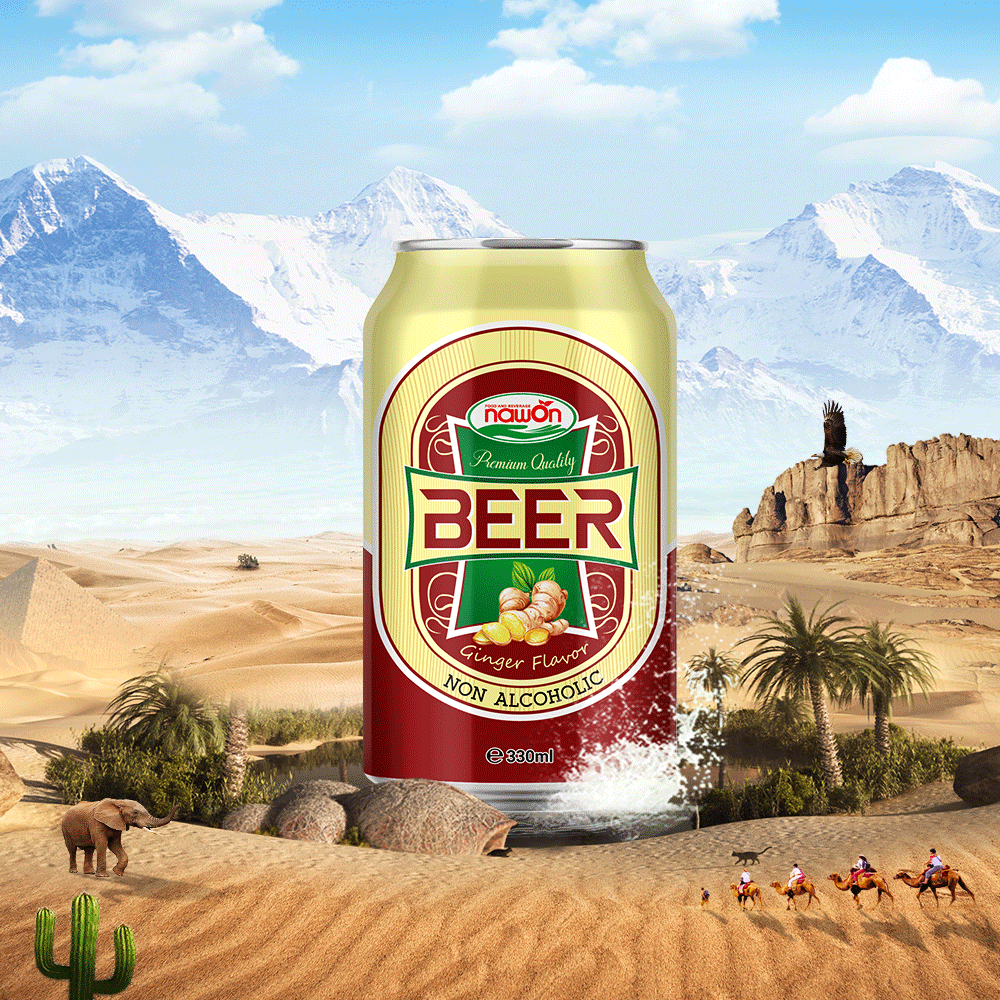
Innovation in the NOLO (No and Low Alcohol) sector is rapidly redefining the global drinks industry. As consumers pivot toward healthier lifestyles, low-alcohol beverages (typically <1.2% ABV) and non-alcoholic spirits are filling the gap between traditional social rituals and modern wellness goals. Beyond health benefits, this trend aligns with sustainable production practices, reducing the environmental footprint of traditional distillation. With the market for responsible drinking expanding at an unprecedented rate, the industry is poised for a new era of high-quality, inclusive beverage options that prioritize both the individual and the planet.
Read more: Private Label Beverage For Your Business, Pros And Cons?
The fusion of flavors and cultures
The beverage landscape is undergoing a transformation driven by the dynamic synergy of global flavors and cultural heritage. Today’s innovations transcend traditional boundaries, blending exotic botanicals with regional staples to create a multi-sensory experience. This trend toward cross-cultural fusion not only meets the demand for novelty but also offers consumers a unique way to explore the world, one sip at a time.
Global-Inspired Beverages
One of the most notable trends is the rise of global-inspired beverages, which blend diverse cultural and culinary influences to create exciting new flavors. From spicy Mexican-inspired cocktails to tangy Asian teas, these drinks are the perfect way to explore the world through your taste buds.
“Global-inspired beverages are a great way to bring new flavors to the table, and they offer a unique and exciting experience for consumers.” – John Smith, Beverage Consultant
Flavor fusions
A defining beverage trend is the rise of flavor fusion, where contrasting notes blend to create innovative taste combinations. From the balance of sweet and salty to the kick of spicy and sour, these drinks are redefining traditional taste profiles. By pushing culinary boundaries, they offer consumers a unique and immersive sensory experience in every sip.
Sustainable and ethical sourcing
The beverage landscape is undergoing a transformation driven by the dynamic synergy of global flavors and cultural heritage. Today’s innovations transcend traditional boundaries, blending exotic botanicals with regional staples to create a multi-sensory experience. This trend toward cross-cultural fusion not only meets the demand for novelty but also offers consumers a unique way to explore the world, one sip at a time.
Sustainable beverage packaging solutions
Environmentally friendly packaging
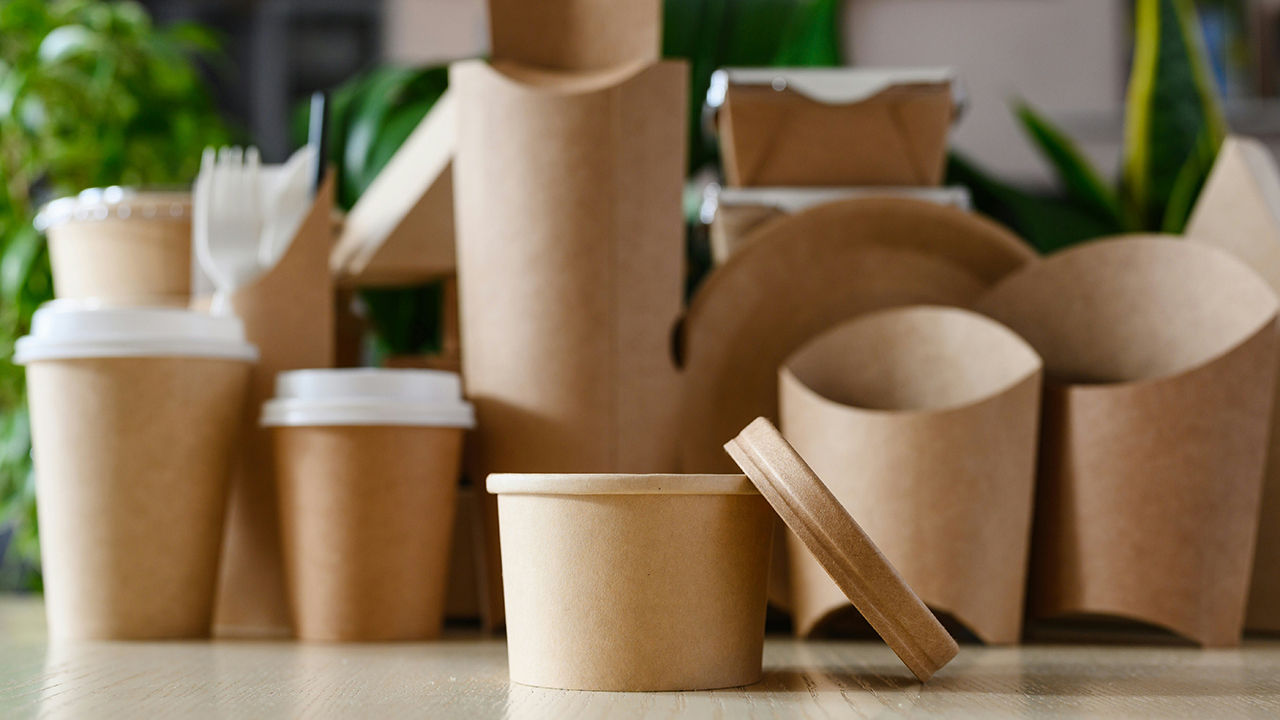
Beverage companies are taking action to reduce their environmental impact by embracing sustainable packaging options. It’s time to recognize the growing threat of plastic pollution. Millions of plastic bottles end up polluting our oceans and landfills each year, and we can no longer ignore the urgent need for eco-friendly alternatives.
By adopting innovative solutions that reduce waste and promote a circular economy, companies are not only doing their part to protect the planet, but also meeting the expectations of their customers who demand more sustainable options.
Some of the sustainable packaging options
| Option | Description |
| Biodegradable packaging | These are made from biodegradable materials, such as plant-based plastics or biodegradable polymers, that break down naturally over time, reducing their impact on the environment. |
| Recyclable packaging | These are made from materials that can be recycled, such as glass, aluminum, and certain types of plastic. By using recyclable materials, beverage companies are reducing waste and conserving resources. |
| Refillable packaging | These are designed to be refilled and reused, reducing the need for single-use containers. Refillable packaging options include glass bottles, metal canteens, and reusable containers. |
While sustainable packaging options may cost more upfront, they offer long-term benefits for both the environment and the bottom line. By reducing waste, these solutions can help companies save money on disposal costs and improve their brand image by showcasing their commitment to sustainability.
Overall, sustainable packaging solutions are an essential aspect of the beverage industry’s future. Beverage companies that embrace these alternatives will reduce their environmental impact and potentially gain a competitive advantage in a market that increasingly values sustainability.
Read more: Top 15 Largest Beverage Companies
Technology’s impact on beverage consumption
Technology is fundamentally transforming the beverage industry, redefining how we interact with our favorite drinks. From smart bottle technology to AI-driven personalized recommendations, digital innovation is elevating the consumer journey. This evolution highlights how cutting-edge tech is shaping modern beverage trends and creating a more connected, efficient, and tailored drinking experience.
Smart bottles
With the rise of the Internet of Things (IoT), smart bottles are becoming increasingly popular. Smart bottles are equipped with sensors that can track hydration levels, monitor the temperature of the drink, and even remind the user when it’s time to drink water. These bottles sync with smartphone apps, allowing the user to access their hydration data and set reminders to drink more water throughout the day.
Personalized drink recommendations
Advancements in Artificial Intelligence (AI) are making it possible to generate personalized drink recommendations based on an individual’s taste and preferences. Machine learning algorithms analyze a user’s drinking patterns, taste preferences, and environmental factors to recommend the perfect beverage. This not only enhances the user’s drinking experience but also helps them discover new drinks they may have never tried before.
Contactless payments
Contactless payment technology is gaining popularity in the beverage industry, allowing customers to pay for their drinks without the need for cash or physical contact. This technology not only speeds up the payment process but also provides a more hygienic option for customers.
Virtual reality (VR)
Virtual reality is taking the beverage industry by storm, allowing customers to try out new drinks in a simulated environment. VR technology provides a fully immersive experience, allowing customers to explore different flavors and settings without actually having to taste the drink.
In conclusion, technology is transforming the way we consume beverages. From smart bottles to contactless payments and virtual reality, the possibilities are endless. As technology continues to evolve, we can expect to see even more innovative ways to enhance our drinking experience.
The Future of Customization
Personalization has become the primary driver of beverage industry innovation, pushing customer satisfaction to unprecedented levels. As modern consumers increasingly demand tailored experiences, beverage brands are responding with a diverse range of customizable options. This shift toward bespoke solutions is redefining how companies engage with their audience and build long-term loyalty.
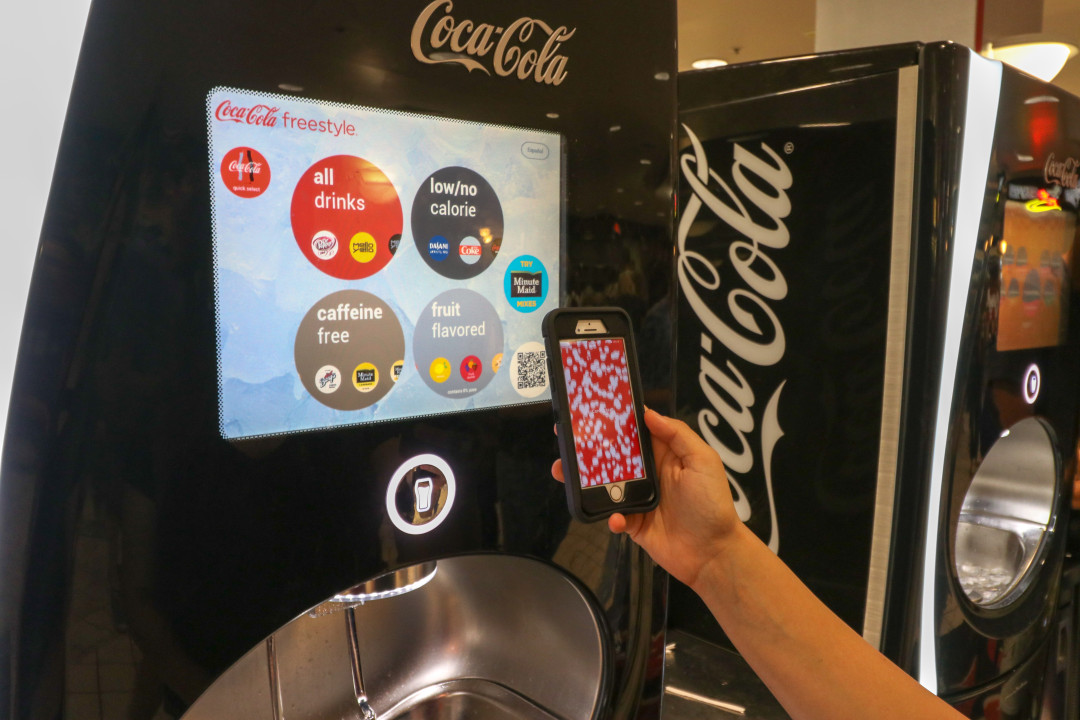
The future of beverage customization looks promising, with companies leveraging technology to offer enhanced personalization. One example is Coca-Cola’s Freestyle machine, which allows customers to mix and match their favorite flavors to create personalized drinks.
Another trend in customization is the rise of “do-it-yourself” kits that allow consumers to make their own drinks at home. For instance, Seedlip offers a non-alcoholic spirit that can be mixed with different flavors to create bespoke cocktails.
The beverage industry is constantly evolving, and the beverage trends are paving the way toward a healthier and more sustainable future. As consumers become more conscious of their health and the environment, beverage companies are responding with innovative products that prioritize wellness and eco-friendliness.
Looking toward the future, we expect to see even more advancements in technology, customization, and flavor fusion. The beverage industry is poised for growth, with a focus on providing consumers with a unique and enjoyable drinking experience that aligns with their values.