
The global drink landscape is undergoing a structural evolution. Today, everyday beverage consumption is less about passive thirst-quenching and more about proactive health management. Modern shoppers scrutinize ingredient labels, demand sustainable supply chains, and expect tangible physiological benefits from their daily liquids.
According to data from Innova Market Insights, the global functional beverage market is projected to exceed $200 billion by 2030, driven by a compound annual growth rate (CAGR) of over 7%. This is not a fad; it is a fundamental rewiring of purchasing behavior. For food and beverage professionals, from brand owners to retail buyers, understanding these shifting dynamics is the baseline for securing market share and adapting product portfolios to meet modern expectations.
Key Drivers Shaping Global Beverage Consumption Trends
Over the past decade, the commercial beverage sector has pivoted away from mass-produced, artificially flavored sodas. Current beverage industry trends are heavily dictated by an educated consumer base equipped with instant access to nutritional research.
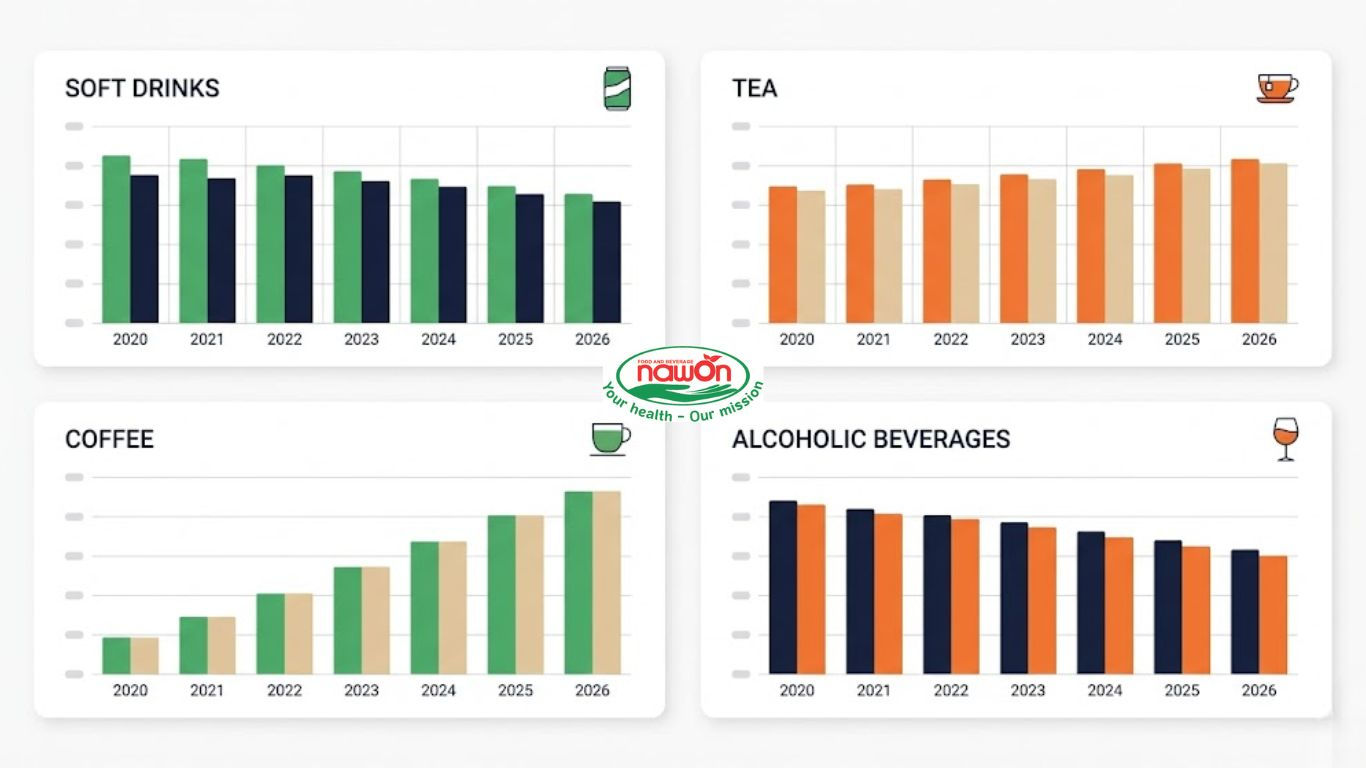
Three core pillars define this evolution:
- Radical Ingredient Transparency: Consumers no longer accept obscure chemical preservatives. NielsenIQ reports that products making “clean label” claims consistently outpace conventional competitors in retail growth. Shoppers want recognizable, natural components.
- The Intersection of Health and Convenience: Urban lifestyles demand ready-to-drink (RTD) formats. However, buyers refuse to compromise on nutrition. They seek out “smart convenience” beverages that offer on-the-go hydration packed with vitamins or plant-based proteins.
- Widespread Premiumization: Despite economic inflation, consumers are treating premium beverages as affordable daily luxuries. Brands like Liquid Death have successfully proven that consumers will pay a premium simply for superior branding, sustainable packaging (aluminum over plastic), and a pure product.
| Market Era | Formulation Focus | Primary Consumer Motivator | Brand Case Study Example |
| Legacy Market | High-fructose corn syrup, artificial dyes | Cost-efficiency & sweet taste | Traditional CSDs (Colas) |
| Transitional | Diet sweeteners (Aspartame, Sucralose) | Calorie reduction | Early “Diet” sodas |
| Modern Market | Botanical extracts, natural sweeteners | Proactive health & clean label | Olipop, Poppi, Celsius |
Declining Alcohol Consumption Among Younger Generations
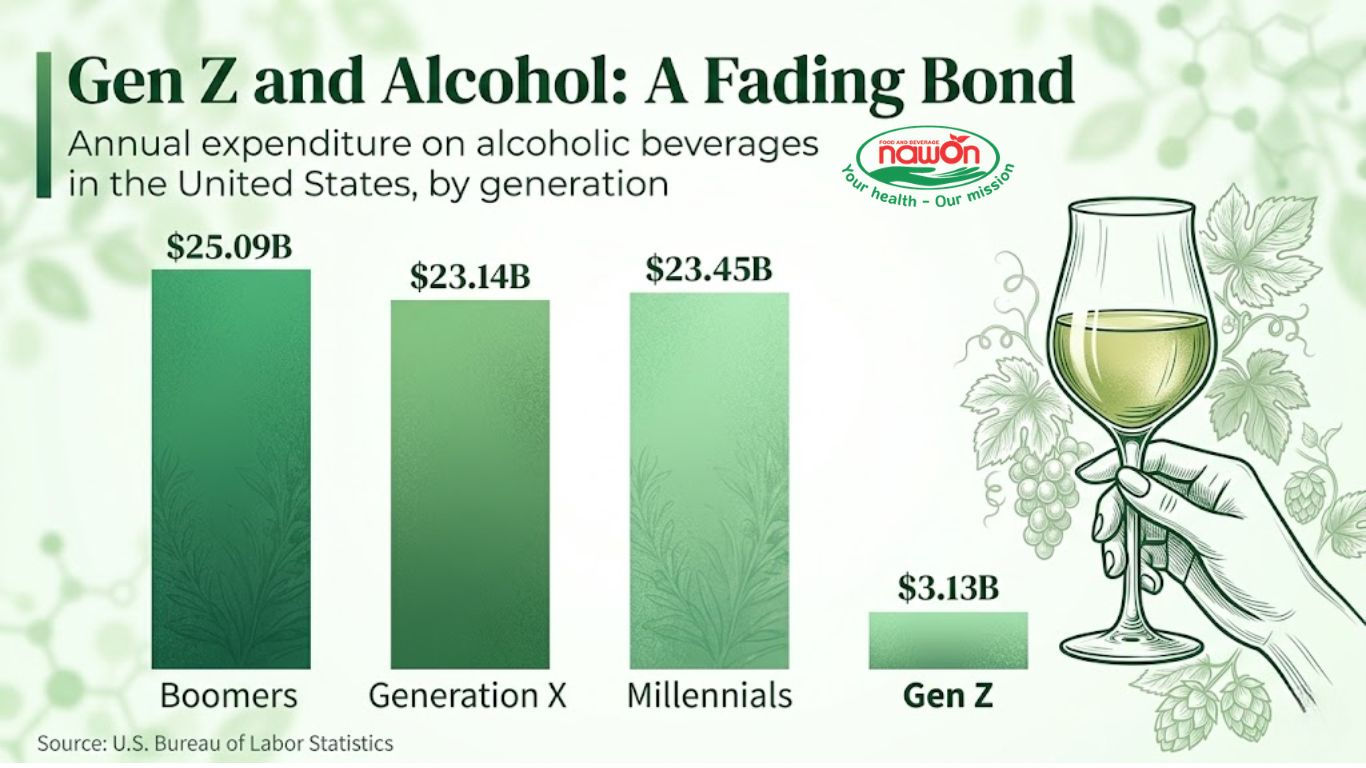
The role of alcohol as the default social beverage is visibly eroding, a shift heavily driven by Gen Z and younger Millennials. This demographic embraces “sober curiosity” and deliberate moderation.
The data supporting this is substantial. The IWSR Drinks Market Analysis reports consistent, year-over-year volume growth in the no- and low-alcohol categories. This behavioral shift is rooted in wellness:
- Mental and Physical Health: Younger consumers are highly aware of clinical research linking alcohol to disrupted sleep architecture and increased anxiety.
- Social Control: Growing up in a hyper-documented digital age has fostered a generation that prioritizes maintaining behavioral control in social settings.
This has triggered a boom in the non alcoholic drinks market. We are witnessing a surge in zero-proof spirits and adaptogenic mocktails. Brands like Seedlip and Athletic Brewing have built massive valuations by engineering beverages that replicate the complex flavor profiles (using distilled botanicals and bitter roots) and the social ritual of drinking, entirely without the ethanol.
Health Concerns and the Decline of Sugar-Sweetened Beverages
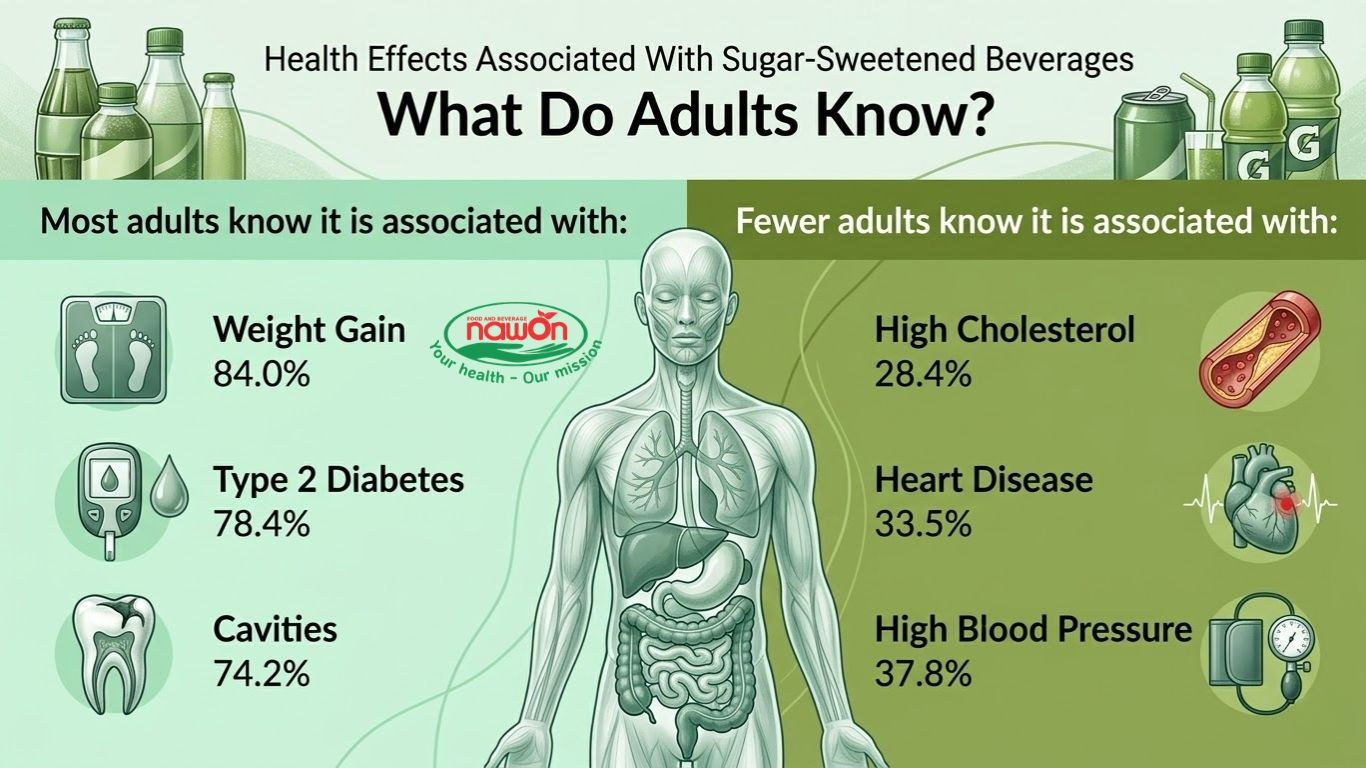
The direct link between high sugar intake and chronic metabolic diseases has permanently altered the trajectory of sugary drink sales. Global public health organizations have mounted aggressive campaigns against hidden sugars.
- The Medical Consensus: The World Health Organization (WHO) and the American Heart Association (AHA) have extensively documented how excessive sugar intake directly correlates with the global spikes in obesity, type 2 diabetes, and cardiovascular disease.
- The Threat of Liquid Calories: The core physiological issue is that liquid sugar bypasses the body’s natural satiety signals. A consumer can ingest 40 grams of sugar in a soda without feeling full, leading to a massive caloric surplus and rapid insulin spikes.
- Regulatory Action: In response, over 50 countries have implemented sugar taxes. A prime example is Mexico’s strict NOM-051 law, which mandates stark, black stop-sign warning labels on beverages high in added sugars, forcing an industry-wide reformulation.
Consequently, consumers are shifting aggressively toward low-sugar drinks and healthy beverage alternatives. Formulators are moving away from high-fructose corn syrup, relying instead on natural, non-glycemic sweetening systems like stevia, monk fruit, and allulose to maintain mouthfeel without the metabolic damage.
The Mainstreaming of Functional Beverages
Consumers now “hire” their drinks to perform specific physiological jobs. The demand for functional beverages has segmented the market into highly targeted categories:
- Clean Energy & Cognitive Focus: While traditional energy drink consumption remains high, the source of that energy is changing. Consumers are abandoning synthetic caffeine in favor of natural sources like matcha, guarana, and yerba mate. Furthermore, formulations increasingly include nootropics (like L-theanine or Lion’s Mane mushroom) to support mental focus without the subsequent energy crash.
- Enhanced Hydration: The basic bottled water market is losing ground to enhanced solutions. The plant-based hydration sector, particularly coconut water and milk, is expanding rapidly because these natural liquids provide a bioavailable matrix of essential electrolytes, potassium, and magnesium.
- Gut Health & Immunity: Prebiotic and probiotic sodas are actively disrupting the retail aisles. By fortifying drinks with apple cider vinegar, plant fibers, and immune-supporting elements like zinc and vitamin C, brands are offering convenient delivery systems for daily gut support.
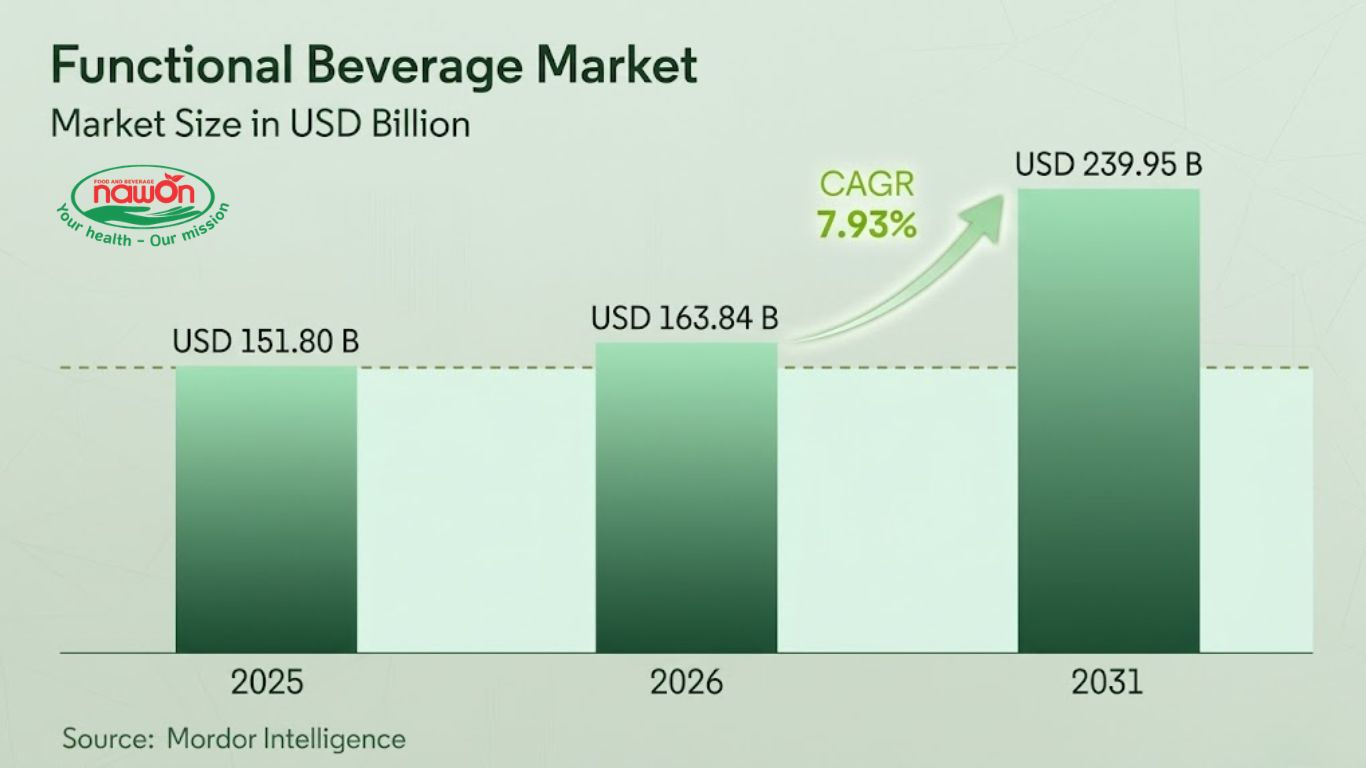
Regional Beverage Consumption Patterns
To fully understand global beverage market demand, industry professionals must analyze specific regional nuances:
- North America: A mature, trend-setting market. Gut-health claims, ultra-premium functional waters, and the absolute baseline expectation of zero-sugar options intensely drive consumer purchasing behavior here.
- Latin America: Historically a region with high consumption of sugary drinks, aggressive new regulatory frameworks (like the aforementioned labeling laws in Mexico and Chile) are forcing rapid reformulations, creating a massive new market for local, naturally sweetened alternatives.
- Asia-Pacific: A diverse powerhouse. Japan leads the world in functional drinks, which are heavily regulated by its FOSHU (Food for Specified Health Use) standards. Across broader Asia, traditional herbal and tea-based beverages are being modernized and packaged for contemporary retail.
- Emerging Markets: Across parts of Africa and Southeast Asia, rapid urbanization is shifting consumers away from informal beverage channels toward safe, branded, and packaged RTD products, driving sheer volume growth.
Supply Chain Agility: Adapting to Industry Shifts
For beverage manufacturers and brand owners, navigating these rapid shifts in consumer preference presents a profound logistical challenge. Relying on legacy product lines is a recipe for losing retail shelf space. However, building specialized manufacturing facilities to chase every new functional trend is capital-intensive and inherently risky.
The most viable strategy for adapting to modern trends is leveraging established co-packing infrastructure. By partnering with highly capable facilities, brands can formulate, test, and scale complex products such as insoluble plant fibers or sensitive botanical extracts without the overhead of a dedicated factory.
This is where strategic partnerships define market success. Utilizing established Nawon beverage manufacturing capabilities provides brands with access to an extensive infrastructure of 45 production lines. For companies looking to expand their portfolios quickly, comprehensive private-label beverage services enable rapid deployment of trend-aligned functional drinks. Furthermore, working with a partner experienced in international compliance ensures that export beverage production meets the stringent labeling and ingredient regulations required to penetrate North American and European markets successfully.
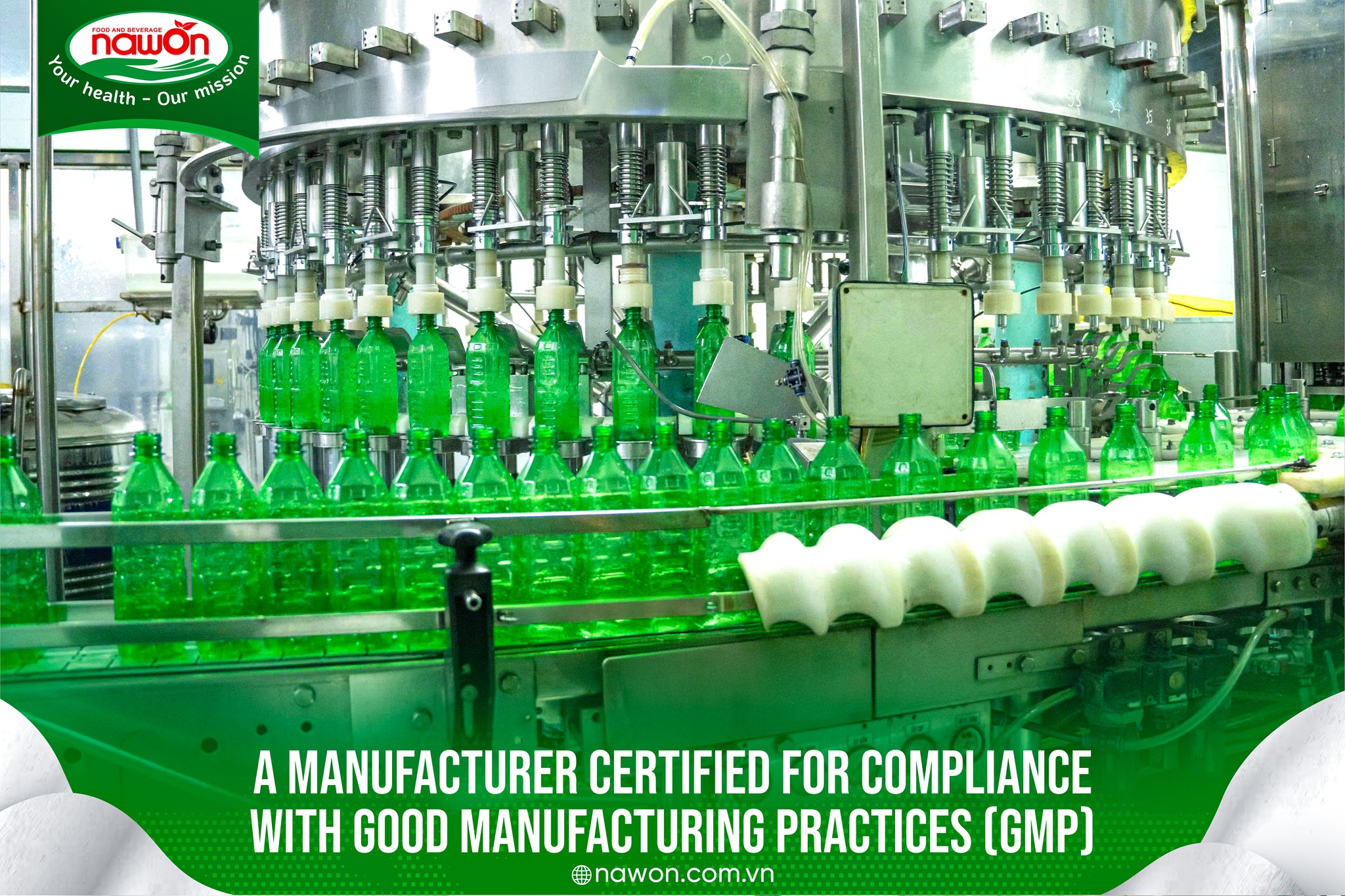
Nawon Juice Manufacturing Process Filling
Future Outlook
The long-term trajectory of the global beverage industry points toward extreme personalization and hyper-functionality. As clinical research continues to validate the efficacy of bioavailable plant compounds, the functional category will only deepen. Moving forward, sustainable packaging and absolute ingredient transparency will transition from premium differentiators to non-negotiable retail standards. Brands that can deliver verifiable, evidence-based health benefits while maintaining an agile supply chain will command the next generation of consumer loyalty.
FAQ
Why is beverage consumption changing so rapidly on a global scale?
The shift is primarily driven by democratized access to medical and nutritional data. Consumers now understand the long-term impacts of their diet, prompting a mass migration away from artificially flavored, high-sugar liquids toward beverages that offer functional benefits, clean labels, and transparent sourcing.
Which specific drink categories are experiencing the most rapid growth?
The fastest-growing sectors include gut-health sodas (fortified with prebiotics), zero-proof non-alcoholic spirits, natural plant-based hydration (like coconut water), and clean-energy drinks formulated with nootropics and natural caffeine sources.
How are brands adapting their supply chains to meet the demand for healthier formulations?
To remain agile without massive capital expenditure, brands are increasingly partnering with specialized OEM/ODM manufacturers. This strategy allows them to efficiently reformulate legacy products with natural sweeteners and rapidly scale new functional lines to meet evolving international retail standards.