

GMP standards play a critical role in the global manufacturing landscape by ensuring product quality, operational safety, and long term brand trust. As a structured guideline for consistent and well controlled production, GMP certification helps businesses across pharmaceuticals, cosmetics, supplements, medical devices, and the beverage industry meet international requirements and enhance their market credibility. With consumer expectations increasing and global regulations tightening, adopting GMP standards has become essential for any brand seeking to improve product reliability, minimize risks, and strengthen its competitive position in both domestic and export markets.
What GMP represents
The Good Manufacturing Practice (GMP) standard is a management system that defines how manufacturing processes must be organized, controlled, and documented to ensure consistent product quality and safety. GMP serves as a foundational framework that regulates critical elements of production, including material handling, equipment preparation, facility layout, workflow design, and internal oversight.
At its core, GMP establishes clear rules for how a company should operate to maintain accuracy, traceability, and hygiene across all stages of manufacturing. It outlines the procedures for receiving and storing raw materials, maintaining equipment, managing production environments, and documenting employee activities.
GMP ensures that every manufacturing step is performed in a controlled environment with complete and accurate documentation, which is essential for meeting Food and Beverage Certificate requirements. This approach enables production teams to clearly understand each stage, follow standardized procedures, and accurately record key information, including material origin, cleaning activities, and process adjustments. By maintaining strict documentation and control, companies reduce variability, increase transparency, and achieve reliable, predictable results across all departments.
The GMP Standard in the food and beverage industry
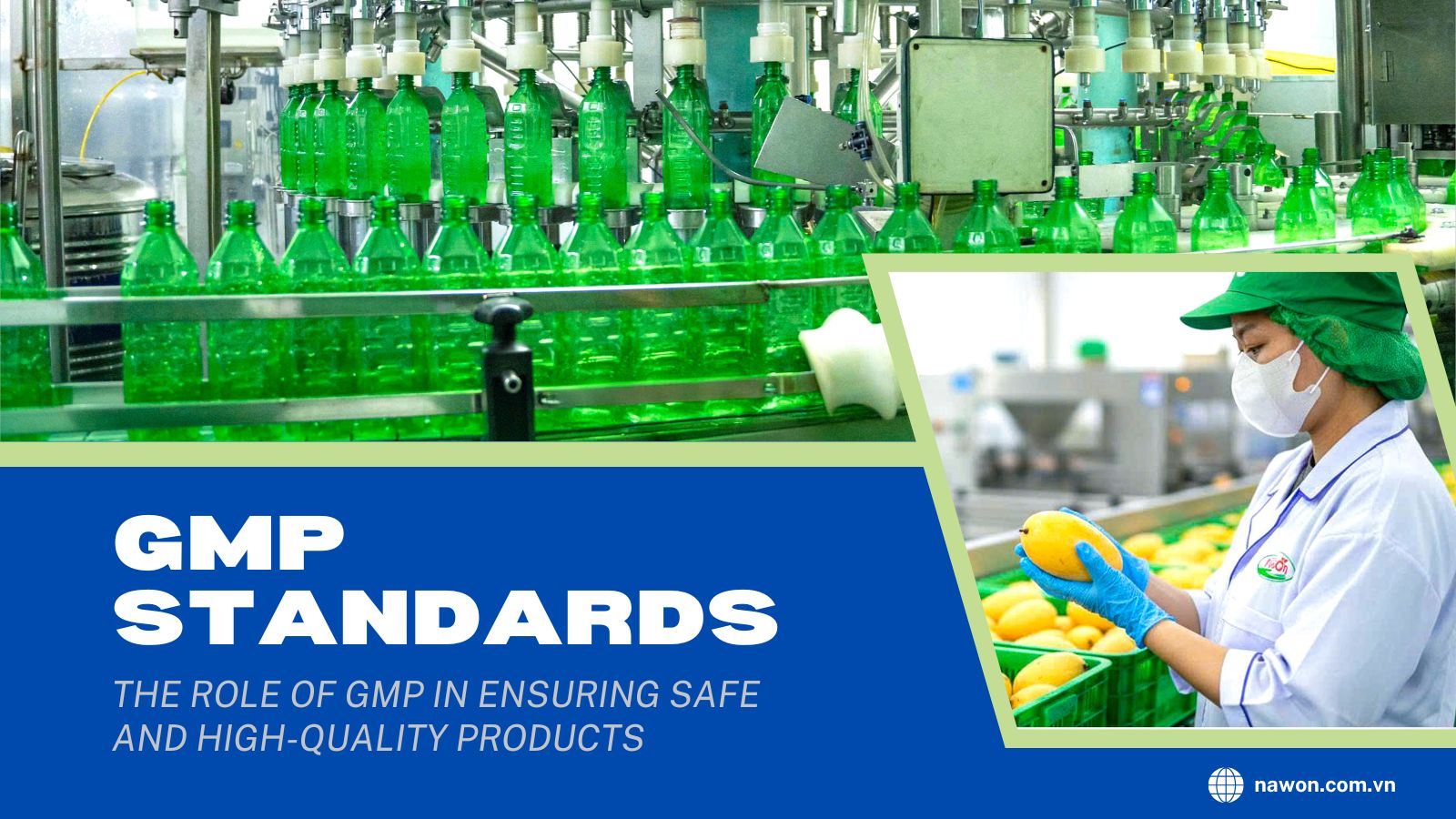
The food and beverage industry relies heavily on the GMP standard to maintain safe, consistent, and reliable production practices. Because this industry involves complex ingredient handling, temperature control, and precise formula management, GMP serves as a foundational system that guides companies in organizing processes and documenting each activity.
Food and beverage companies use GMP standards to manage each stage of production and ensure consistency systematically. The standards encompass essential steps, including preparation, blending, mixing, heating, cooling, filling, and packaging. These processes enable companies to achieve a uniform texture, consistent taste, and predictable product characteristics.
The GMP standard provides a structured framework that enables teams to coordinate tasks across different departments, ensuring efficient workflows.
Ingredient management under the GMP standard
Ingredient management is crucial in food and beverage production. Companies handle a variety of components, including water, flavorings, extracts, concentrates, oils, sweeteners, and spices. The GMP standard outlines the necessary documentation for recording storage conditions, handling procedures, and usage sequences. This structured approach supports predictable production cycles by guiding each ingredient through a defined process.
The GMP standard encourages teams to closely monitor conditions, which facilitates precise record-keeping and effective internal communication.
Support for quality control through the GMP standard
Quality control teams rely on the GMP standard to evaluate key product characteristics, including flavor consistency, color uniformity, texture stability, and packaging accuracy. The GMP standard provides clear guidelines that assist in conducting sample checks and maintaining proper documentation. Teams use these standards to record results, identify deviations, and make informed adjustments.
This structured approach enables food and beverage companies to maintain disciplined control, ultimately supporting product reliability and fostering customer trust.
Through structured procedures and disciplined documentation, the GMP standard enables food and beverage companies to manage ingredients, production steps, and quality control with accuracy and confidence. This approach minimizes risks and supports predictable results across departments. As GMP becomes integrated into daily operations, businesses strengthen their reliability and reinforce customer trust, ensuring long-term competitiveness in both domestic and global markets.
Core components of the GMP standard
Facility layout and equipment management
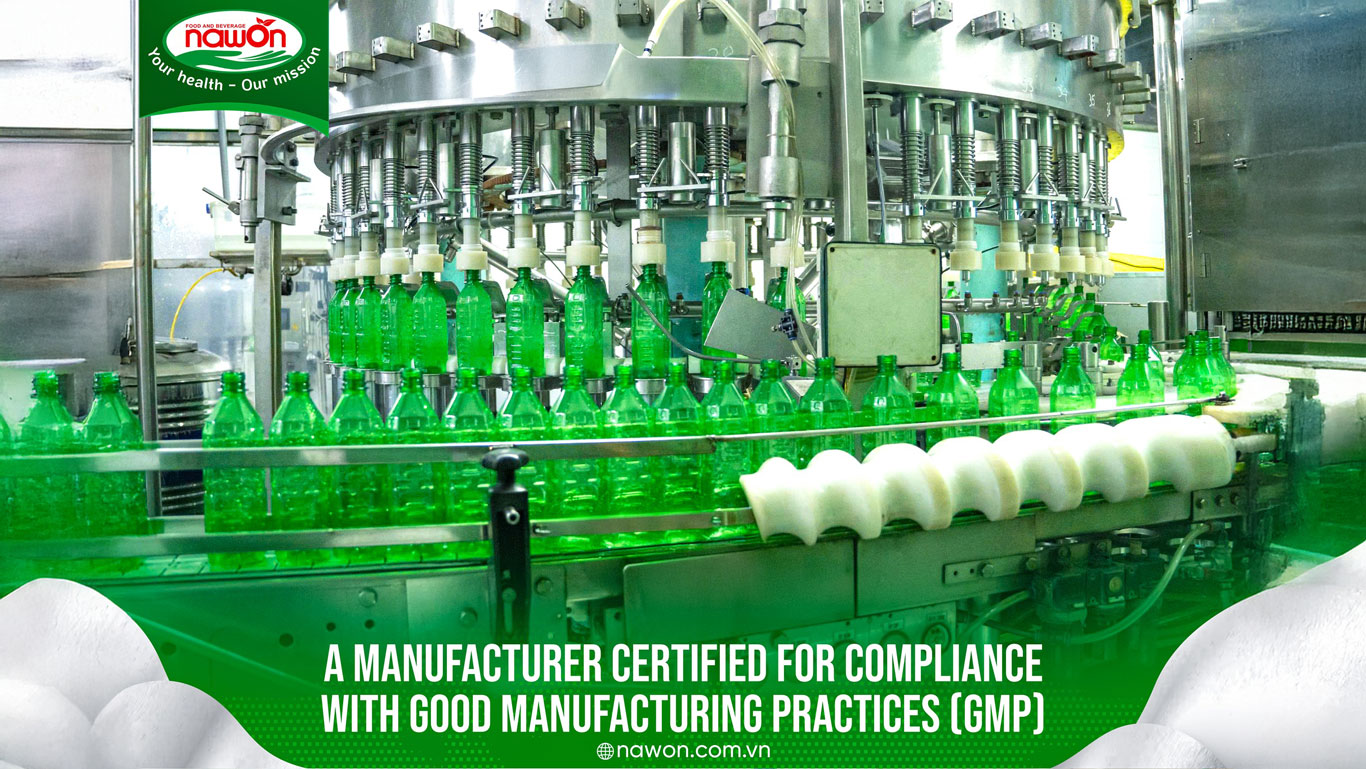
A GMP-compliant facility utilizes a structured layout with defined areas to prevent cross-contamination and maintain consistent production conditions.
- Raw Material Area: Separated from all processing and finished product zones. Clear receiving paths, easy-to-clean storage, and monitored temperature and humidity.
- Processing Area: Organized in a straight production flow. Sanitary walls and floors, with equipment placed according to the mixing, heating, cooling, and filling steps, and proper ventilation and lighting.
- Packaging Area: Restricted to finished products. Controlled movement, protected packaging materials, and surfaces cleaned and recorded consistently.
- Equipment Management: Machines cleaned according to documented procedures, calibrated on schedule, checked before production, and maintained in dedicated service zones.
Combining structured facility layout with disciplined equipment management, companies create a controlled environment where materials flow correctly, cross-contamination risks are minimized, and each production step remains consistent and predictable.
Material control guided by the gmp standard
Material management becomes more efficient under GMP regulations. Companies are required to inspect incoming materials, store them under appropriate conditions, and document their movement throughout each production step.
Some of the conditions include:
- Controlled environment: temperature, humidity, and light exposure must be monitored and recorded.
- Clear segregation: Raw materials must be kept separate from semi-finished and finished goods to prevent cross-contamination.
- Proper labeling: each batch must include identification codes, expiration dates, and storage instructions for traceability.
GMP provides clear documentation guidelines that help teams keep accurate material records. These logs enable managers to track ingredients from arrival to final use. When issues arise, teams can refer to these records to quickly identify the causes. GMP ensures that material handling is accurate, predictable, and well-controlled.
Staff training requirements
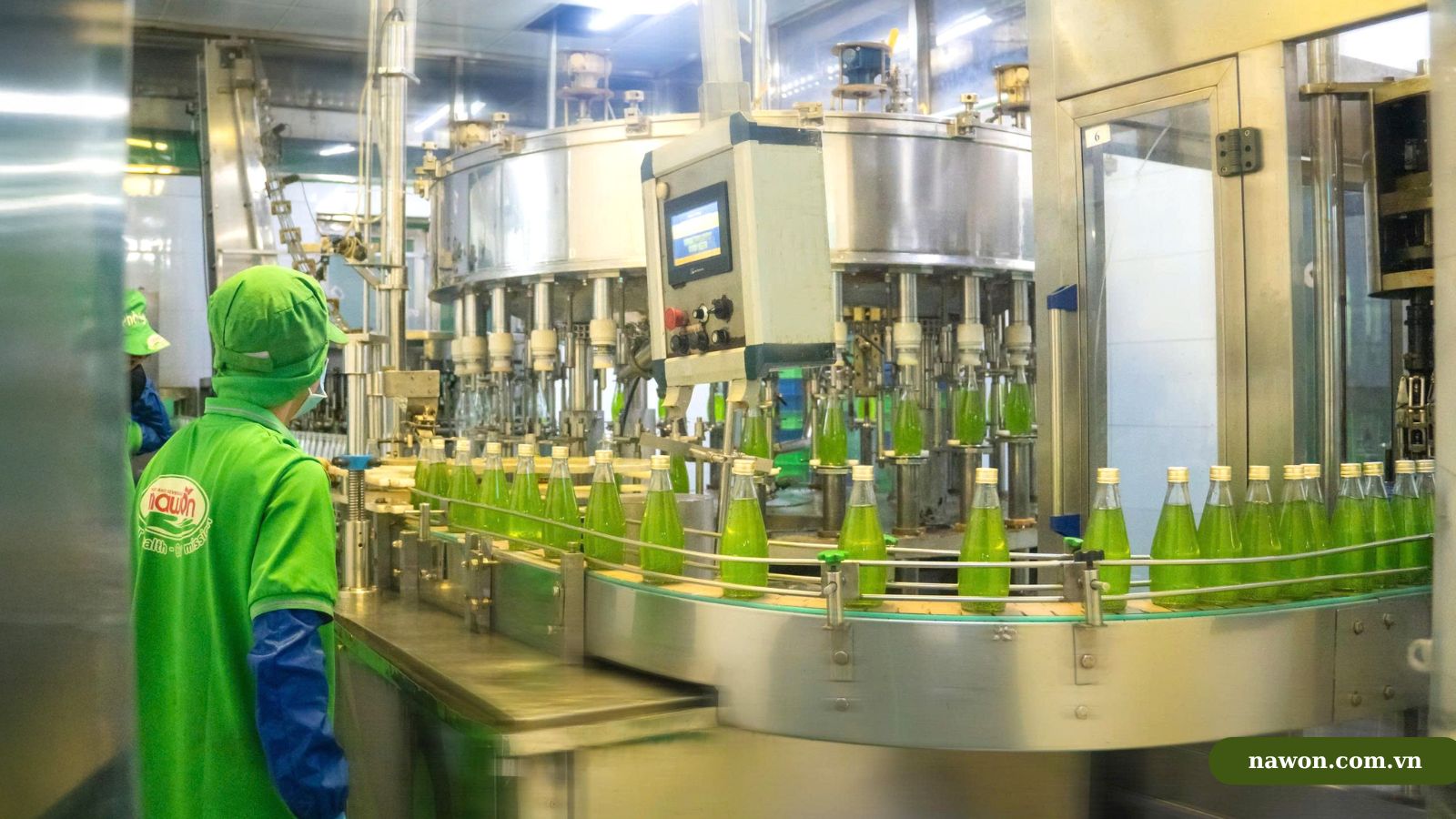
Human performance impacts every stage of production, which is why GMP emphasizes structured employee training and development. Companies must develop training programs to teach workers how to follow procedures, operate equipment, and complete documentation accurately. GMP also mandates that training materials are updated whenever processes change, ensuring employees have a clear understanding of their tasks. This emphasis on training improves communication and reduces errors during production.
Monitoring activities and corrective actions in GMP systems
GMP provides guidelines on how companies should monitor critical conditions, including temperature, equipment functionality, material usage, and process timing. These observations allow teams to assess whether production meets established standards. When deviations occur, GMP encourages companies to carry out corrective actions that identify the root causes. This approach supports continuous improvement and strengthens internal processes.
Benefits of the GMP standard
GMP brings clear advantages that directly improve what consumers receive. It fosters stable production, enhances transparency, and enables brands to deliver safer and more reliable products. The following points demonstrate how GMP enhances the end-user experience.
Strengthening operational consistency
GMP benefits consumers by ensuring that every product they receive is made through stable and controlled processes. When production teams follow clear steps for handling materials, preparing equipment, and documenting work, the final product becomes more predictable in quality. This stability means users enjoy products with consistent taste, texture, safety, or performance every time they purchase them.
For consumers, GMP reduces the risk of defects, contamination, or unexpected variations, giving them confidence in the brands they choose.
Improving traceability
GMP significantly enhances traceability, which directly protects consumers. Every material, processing step, and piece of equipment is thoroughly documented, enabling companies to identify the source of any issue quickly. This level of visibility ensures that unsafe or questionable products can be identified and removed before they reach the market.
For customers, stronger traceability means higher safety, better transparency, and reassurance that strict internal controls back the products they use. It also helps consumers trust that companies can respond responsibly in the event of problems.
Supporting brand credibility
GMP compliance strengthens brand credibility in a way that directly influences consumer trust. Customers naturally prefer products from companies that demonstrate responsibility, discipline, and quality control. When a brand follows GMP, it signals that the manufacturing environment is clean, well-organized, and committed to safety.
This increases consumer confidence and encourages long-term loyalty. Buyers, distributors, and partners also tend to choose GMP-certified products because they know the brand prioritizes quality at every step.
GMP ultimately gives consumers safer, more consistent, and more reliable products. It builds transparency, prevents risks, and ensures that every item reaching the user reflects disciplined production and strong internal control. For customers, this means better protection and a more trustworthy purchasing experience every time.
Why companies depend on the gmp standard
Companies depend on the Good Manufacturing Practice (GMP) standard because it directly strengthens the safety, reliability, and overall experience delivered to end users. GMP ensures that every product customers receive is made under controlled conditions, with ingredients handled correctly, equipment cleaned at the right time, and each production step recorded for full traceability. This gives users confidence that the products they consume or apply are consistent, hygienic, and free from avoidable risks.
GMP standard also helps employees perform their tasks with clarity, which results in more stable production cycles and fewer errors that could affect the user. When companies follow GMP principles, customers benefit from better quality, more predictable performance, and a higher level of trust in the brand.
GMP standards provide a comprehensive foundation for establishing a safe, consistent, and reliable production system at every stage of production. The application of clear rules for strict control throughout the entire process creates a quality environment for companies. Not only does GMP strengthen internal operations, but it also provides direct value to consumers through the production of safe products. Greater transparency also creates trust in the brands they choose. GMP is a crucial requirement for businesses seeking to expand, compete internationally, and maintain a long-term reputation in the market.