

THAIFEX – Anuga Asia 2026 in Bangkok has just concluded with resounding success, becoming one of the most vibrant trade events on the Asia-Pacific calendar. Spanning 12 exhibition halls and bringing together over 3,500 exhibitors, the exhibition made one thing unmistakable: the global beverage industry is undergoing a fundamental shift.
Today’s consumers don’t simply drink to quench their thirst. They drink for purpose – for functional benefits, environmental value, and sensory experiences that go beyond taste. For OEM partners, private label buyers, and import distributors, understanding the TRENDS IN THE BEVERAGE INDUSTRY will be a solid stepping stone to launching future beverage projects.
Below are three of the most prominent trends at the Thaifex Anuga 2026 exhibition.
Hyper-Functional Beverages Are Entering Their Next Phase
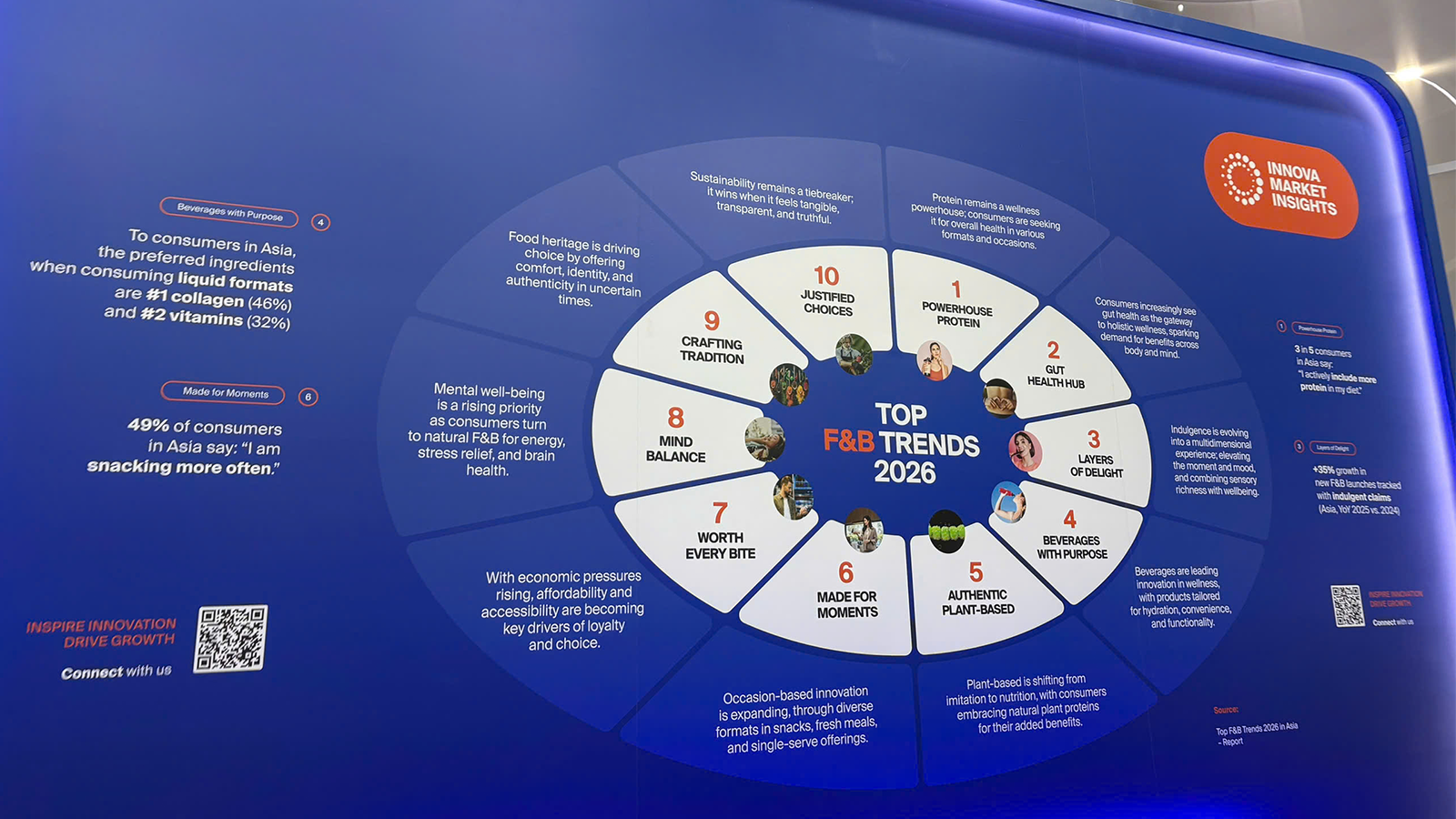
Functional drinks are no longer a novelty, but their format is different. THAIFEX 2026 marks a decisive turning point, shifting from thick, heavy protein formats to transparent, easy-to-dance (RTD) solutions that are both visually appealing and effective.
At Hall 4, new hall of innovation and future of beverage, exhibitors showcased the boom in clear, sparkling protein drinks and advanced bio-formulated beverages delivering collagen, gut-healthy probiotics, and high-quality protein in formats that are both aesthetically pleasing and effective. Protein is no longer confined to thick milkshakes and is increasingly appearing as refreshing beverages. The premium functional beverage segment now demands products that are both effective and aesthetically pleasing. Suppliers capable of building and mass-producing clearly labeled, transparent functional drinks will hold a significant competitive advantage in 2027.
Sustainability is Moving from Positioning to Formulation
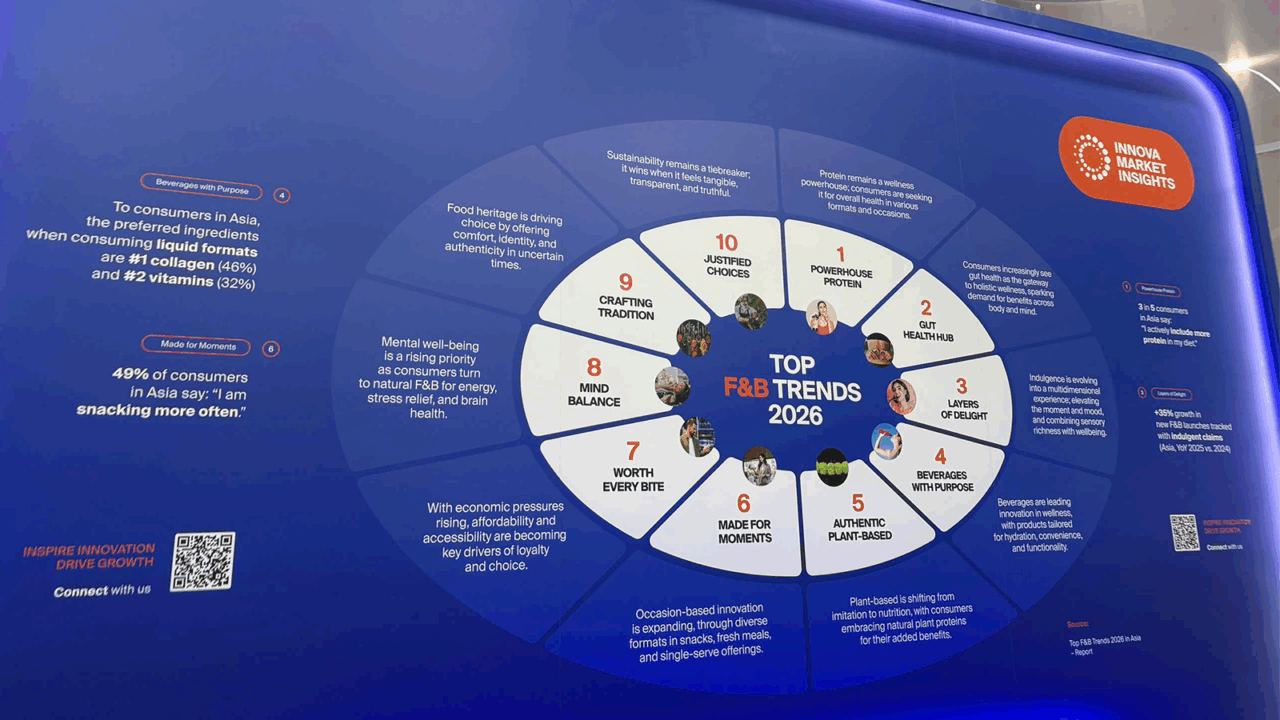
At this year’s THAIFEX, sustainability wasn’t just a marketing element added later, but directly integrated into sourcing and product formulation. Brands across the booths proactively built their environmental stories into the products themselves, not just the packaging. Innovation focused on variations of pure coconut water such as chocolate coconut water, matcha coconut water, pistachio coconut water; herbal extracts, and ingredients from recycled pulp and fruit juices, minimizing food waste while maintaining premium pricing.
You may also want to read: Innovative Coconut Water: How To Stand Out In The Future of Global Beverage Market
Ecological credibility is becoming a purchasing criterion, not just a consumer preference. Brands that can demonstrate traceable origins and low waste will have a stronger story in retail listings, distributor presentations, and ESG-compliant purchasing frameworks.
Caution from Key Markets but Relationships Hold
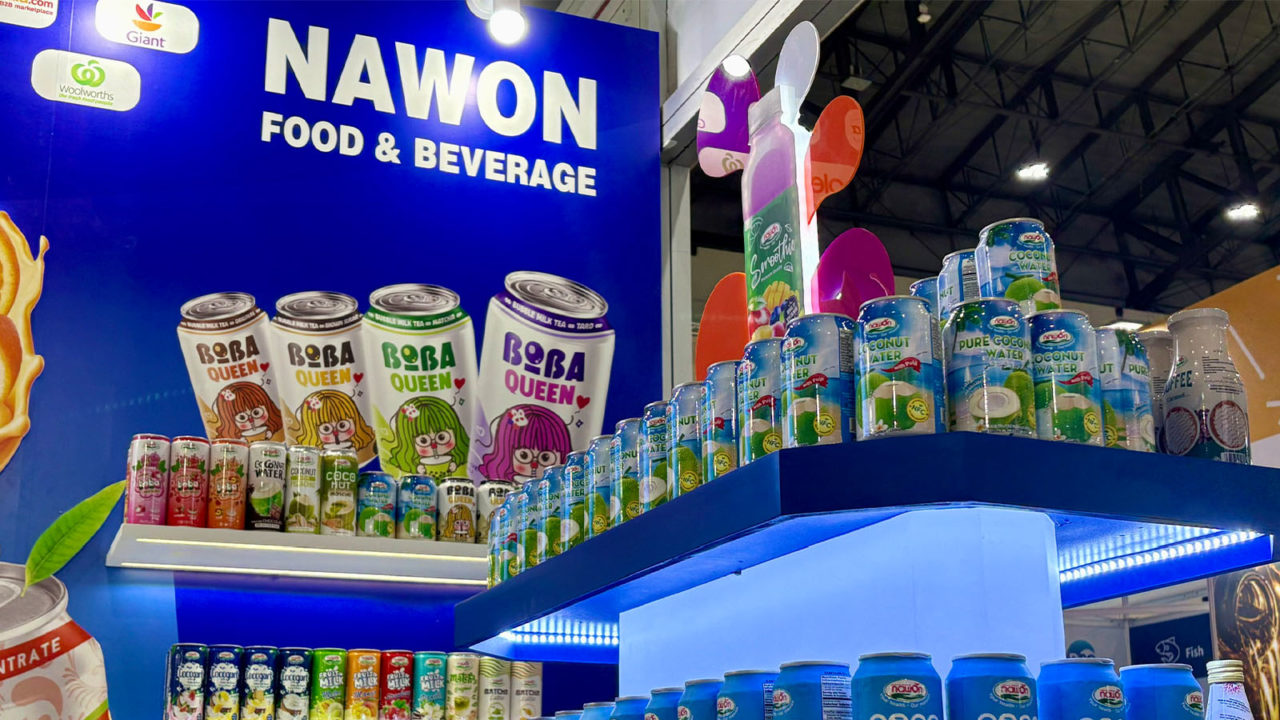
The effects of global political instability and climate-related disruption were quietly visible on the show floor this year. Visitor numbers from the Middle East and Africa were noticeably lower than in previous editions, which is a signal that buyers from these regions are approaching new commitments carefully, weighing geopolitical risk before committing to fresh purchase cycles.
That said, absence from the aisle did not mean absence of intent. Many existing partners from these markets made the trip specifically to sit down with their suppliers, not to place orders, but to plan. Conversations centered on supply chain contingency, peak-period logistics, and how to build enough flexibility into sourcing arrangements to absorb future disruption.
In many ways, that is the more meaningful signal. When buyers prioritize relationship management over transaction-making, it reflects a market that is consolidating around trusted partners rather than shopping for new ones.
Texture and Sensory Experience Are Driving the RTD Category
Asia has long led the world in textured drinks innovation, a testament to which is the global bubble tea phenomenon. But exhibitors at THAIFEX 2026 have pushed the industry even further, targeting younger, experience-seeking consumers who view drinking as an event, not just a habit. Notable formats include fruit drinks with boba pearls, nata de coco, basil seed tea, and aloe vera blends combined with trending fruit flavors from Southeast Asia and East Asia. All share the common goal of enhancing the tactile experience with natural fruit flavors, reflecting regional characteristics and telling a unique story about their origin and ingredients. Chewy textures, layered mouthfeels, and regionally distinctive ingredients are no longer novelties. These are mainstream demand signals, particularly in GCC markets, Southeast Asia, and beyond, where young demographics are actively shaping retail shelf revenue.
Private label beverage is on the trend
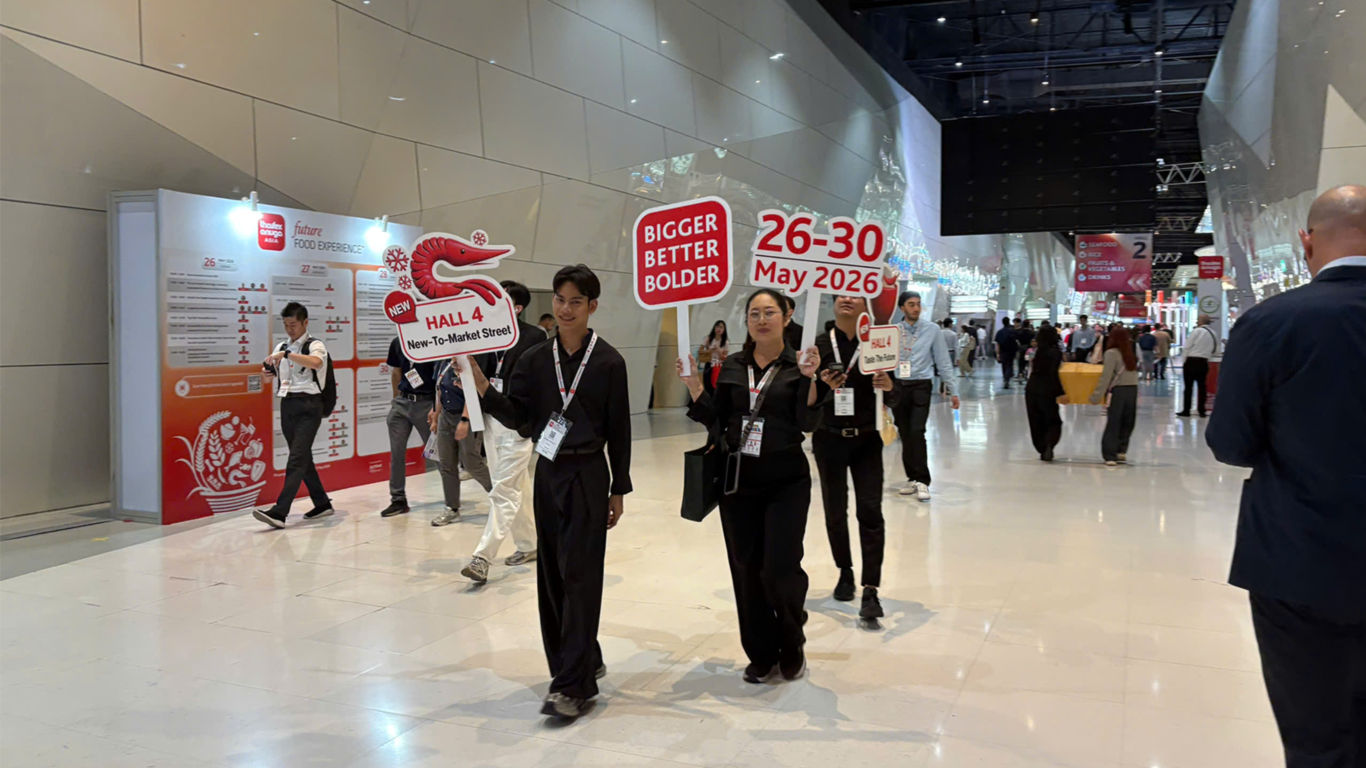
Private Label beverage is no longer backup plan. One of the most visible shifts across the Asian exhibitor halls this year was the open embrace of private label positioning. Booths led with manufacturing credentials rather than brand identity: factory scale, third-party certifications, and R&D depth were front and center, signaling that OEM capability has become a primary selling point, not a secondary service.The demand side tells the same story.
As brand loyalty among younger consumers continues to erode and the cost of building a beverage brand from scratch becomes increasingly prohibitive for emerging players, private labeling offers something the market urgently needs: speed to shelf, lower capital risk, and proven formulation without the overhead of owning a brand. For buyers and distributors, this is an opportunity.
The barrier to launching a market-ready, well-formulated beverage line has never been lower, provided you are working with the right beverage manufacturing partner.
Curious whether any of these trends align with what your market is seeing? We would love to connect!