
If you’re building a beverage brand, you’ll encounter two manufacturing models early: OEM and ODM. They sound similar, but they lead to very different outcomes, especially around formula ownership, product uniqueness, launch speed, and upfront cost.
This guide breaks down the practical differences between OEM vs ODM in beverage manufacturing, then gives you a decision framework based on how you plan to compete: exclusivity or speed.
What OEM and ODM mean in beverage manufacturing
OEM: built around your proprietary recipe
In an OEM setup, the product starts with your brief: a unique recipe direction, target taste profile, nutrition goals, labeling approach, and packaging requirements. The manufacturer performs development, stability testing, and production in accordance with that specification.
Where OEM fits best:
- You need a beverage that feels “owned” and hard to copy
- You want strong control over what’s inside the bottle/can
- You plan to scale a long-term hero SKU
If you already have a proprietary formula ready for scaling, explore our Custom Beverage Manufacturing (OEM) capabilities.
ODM: built around a ready-to-label base formula
With ODM, the manufacturer already has pre-developed formulations (for example: standard tea drinks, energy drink bases, fruit juice drinks). You select a base product and focus on branding and go-to-market, with limited manufacturer adjustments allowed.
Where ODM fits best:
- You want to launch fast
- You want a proven starting point with fewer technical decisions
- You are testing demand, flavors, or new markets with lower initial exposure
Looking for a catalog of market-ready drinks? Check out our Private Label Beverage Solutions (ODM).
Practical takeaway: OEM tends to optimize for exclusivity. ODM tends to optimize for time-to-market.
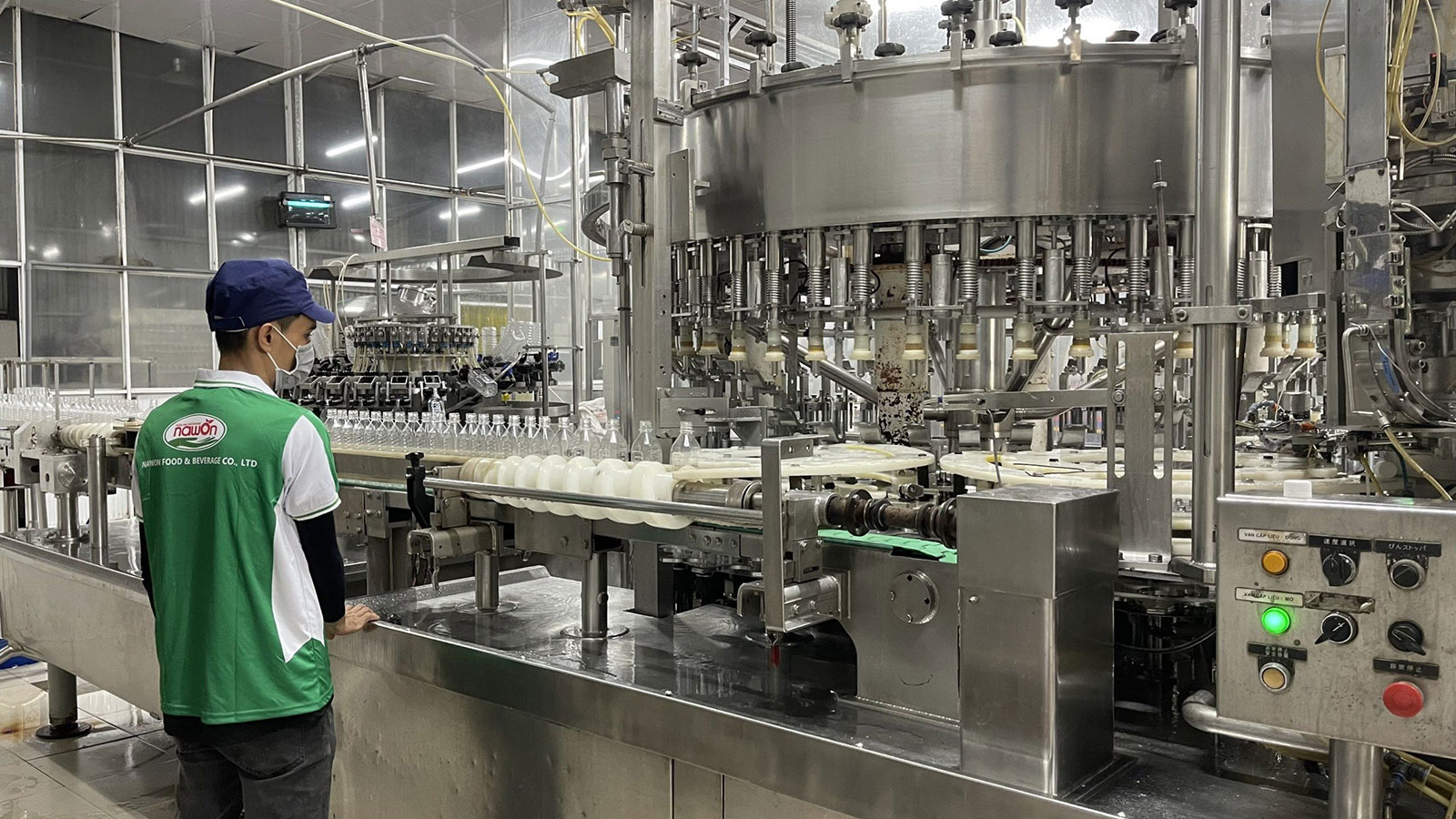
Key differences: OEM vs ODM
1) Design and IP control
OEM: The goal is to build a product tailored to your unique specifications. Contracts differ, but OEM is typically chosen when you want stronger control of the final formula and product definition.
ODM: The starting formula/design comes from the manufacturer. You may not get exclusivity unless you negotiate it.
If your brand relies on “only we have this,” OEM usually fits better.
If your brand relies on distribution speed and packaging differentiation, ODM can be enough.
2) Customization level
OEM customization:
- Ingredients and functional targets
- Sweetness, Brix, acidity, mouthfeel
- Color, texture, processing approach
- Packaging flexibility (including more “non-standard” ideas if feasible)
ODM customization (typical):
- Label and brand identity
- Packaging format choices already supported on the line
- Limited flavor intensity adjustments (case-by-case)
Rule of thumb: OEM is where you shape the drink. ODM is where you shape the launch.
3) Time-to-market
OEM is slower because it includes: concept → R&D → sampling → stability checks → approvals → production scheduling.
ODM is faster because you start from a formula that already exists and has usually been validated for production and shelf life.
If timing is your primary constraint (seasonal launch, retail window, distributor deadline), ODM is often the more practical option.
4) Cost structure
OEM: Higher initial cost because development work happens up front (iteration, testing, and approval cycles).
ODM: Lower upfront cost because the base formulation is already done. You’re mainly paying for production, packaging, and compliance steps.
OEM can pay off later if your uniqueness supports better pricing power or stronger repeat purchase.
5) MOQ and production flexibility
In many factories, custom runs require tighter scheduling and more setup, so OEM often comes with higher MOQs.
ODM can be more flexible because it is designed to scale across multiple buyers using similar bases.
This varies by manufacturer, but if you need smaller initial batches to test demand, ODM is often the easier starting point.
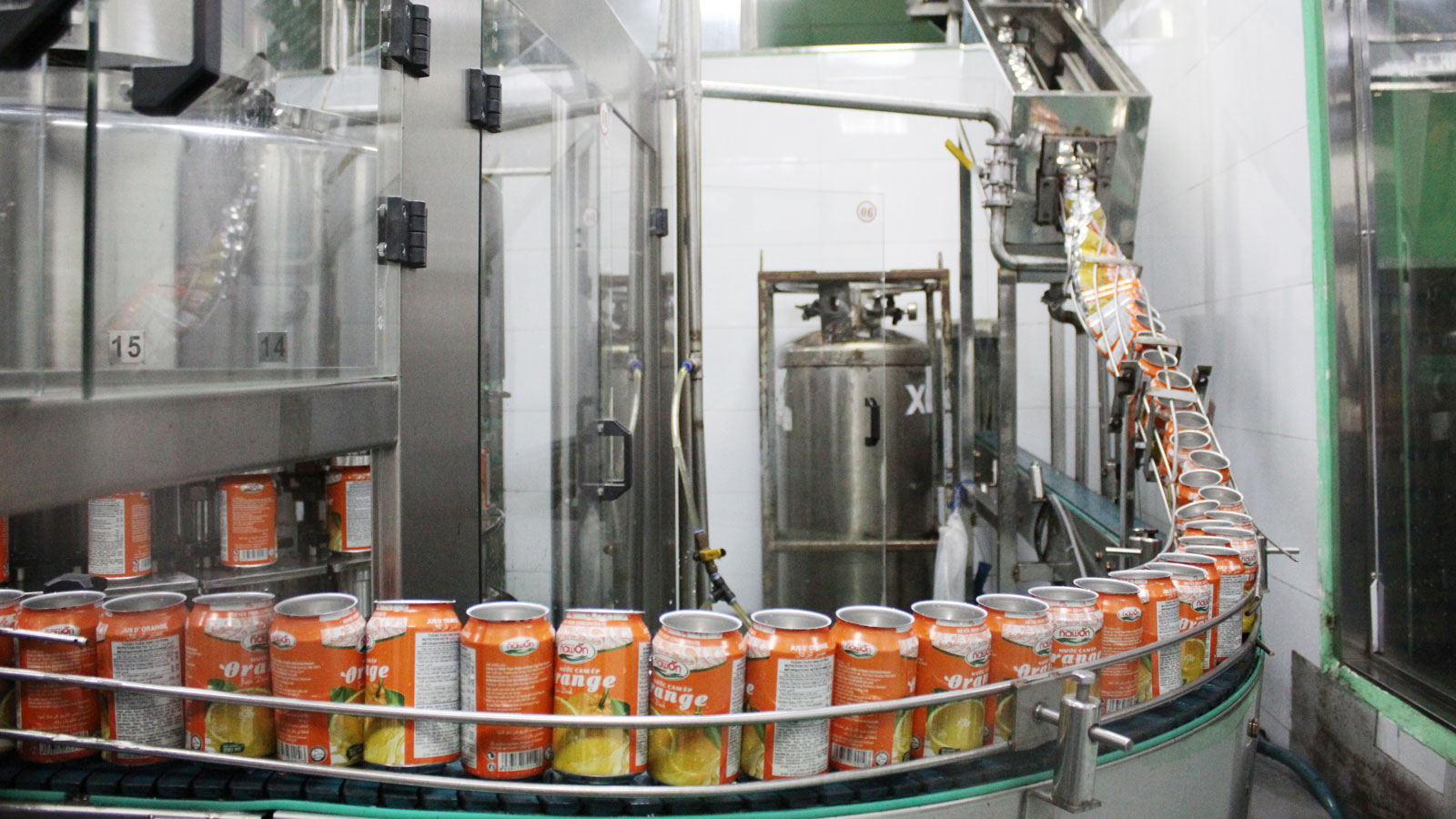
When to choose OEM vs ODM
Choose OEM if you need:
- A unique formulation that supports strong brand differentiation
- Complete control over ingredients, sensory profile, and spec targets
- IP positioning that’s harder for competitors to imitate
- A long-term, flagship product you intend to scale globally
Choose ODM if you need:
- Speed: a faster path from idea to shelf
- Lower upfront development burden
- A proven formula-based approach to reduce trial-and-error
- A way to test multiple flavors or markets before investing deeper
A common strategy that works well:
Start with ODM to validate demand and channel fit, then switch to OEM once you know exactly what the market responds to (and what must become proprietary).
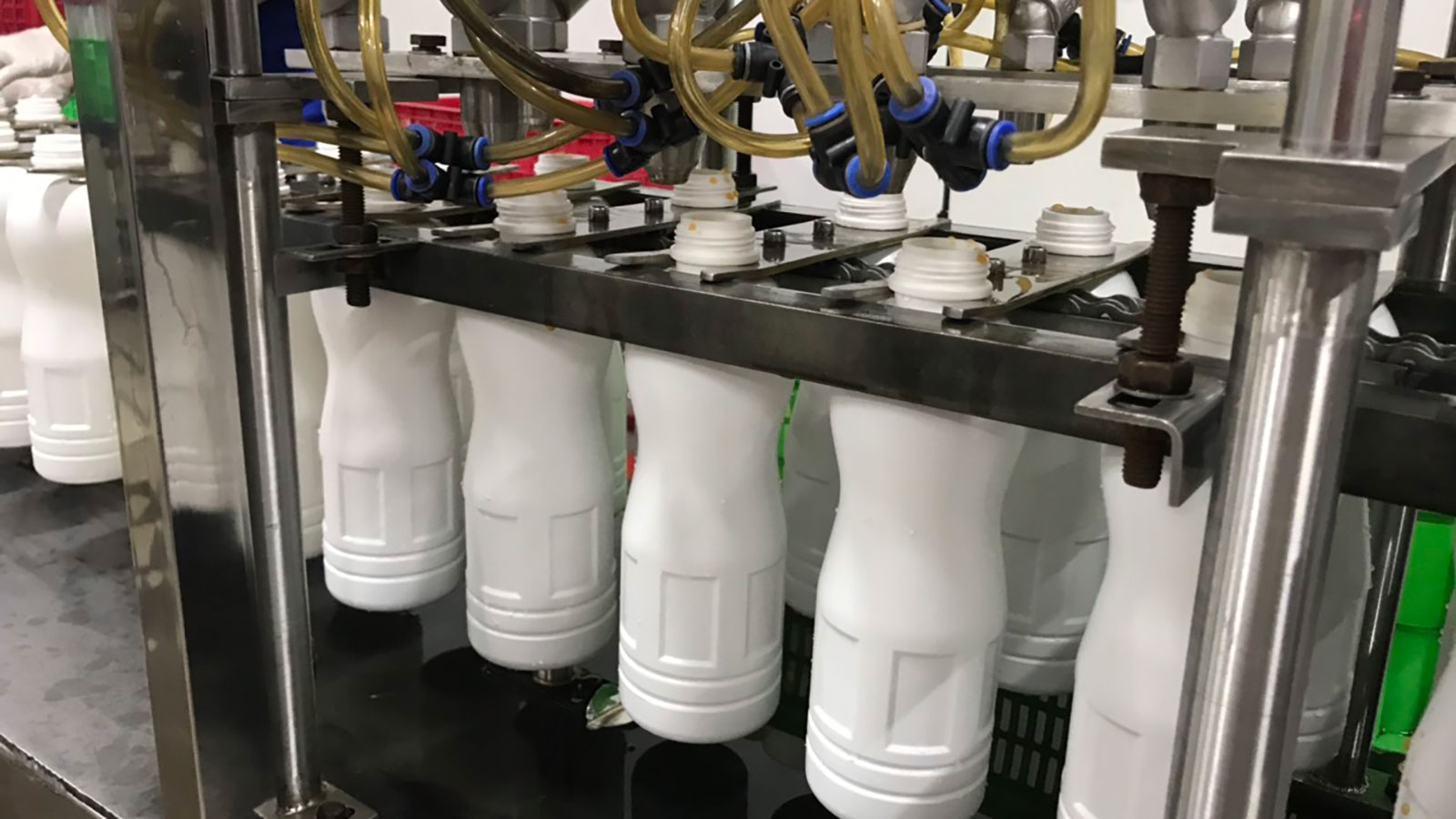
Factors to evaluate in a beverage manufacturing partner (OEM or ODM)
Formula development and technical support
- OEM-focused projects need strong R&D, sensory alignment, and stability capability.
- ODM-focused projects need a reliable “formula library” with consistent performance across production runs.
Look for clarity on what’s included in sampling, how revisions work, and how shelf life is validated for your target markets.
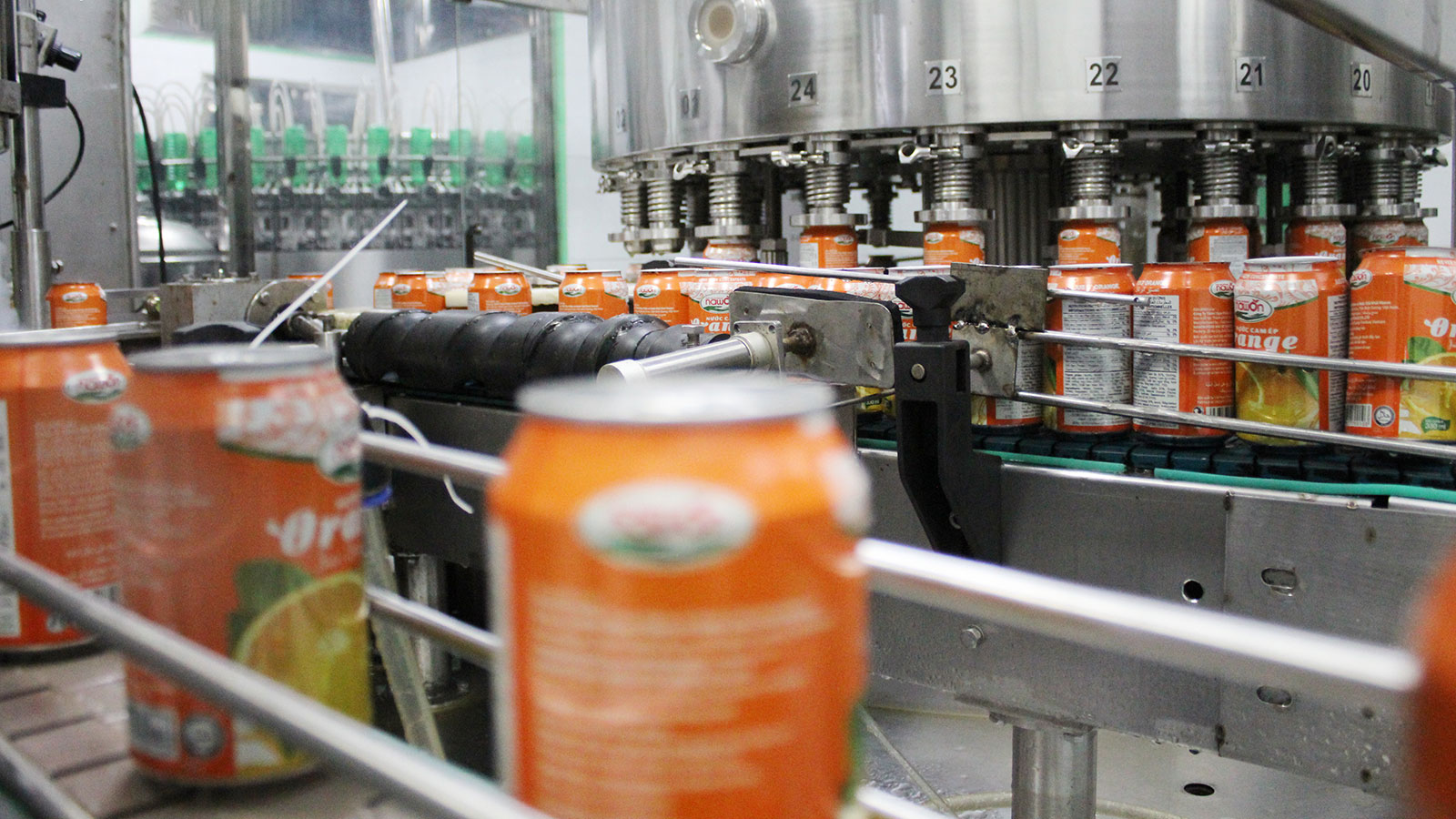
Packaging options and line compatibility
Most manufacturers can support standard formats like PET, cans, glass, and cartons. The difference is how far they can go when you want something outside the standard.
- OEM projects may allow more room for packaging uniqueness, depending on tooling feasibility and line specs.
- ODM projects usually stick closer to what the factory already runs at scale.
If packaging is your key differentiator, confirm early what’s realistic for your distribution channels and shipping conditions.
Certifications and export readiness
If you sell internationally, manufacturing compliance is not optional. Confirm the plant aligns with the standards relevant to your markets, such as:
- HACCP
- ISO 22000
- FSSC 22000 (where required by buyers or retailers)
Also confirm compliance with labeling requirements (nutrition panels, allergens, claims) in accordance with destination regulations.
FAQs: OEM vs ODM for beverage brands
Is private label the same thing as OEM or ODM?
Private label is the outcome of your brand on the product. The manufacturing model behind it can be either OEM or ODM.
Can ODM still be differentiated?
Yes, but differentiation tends to lean more on branding, packaging execution, pricing strategy, and distribution strength. Exclusivity usually needs a negotiated agreement.
Which model is better for startups?
Often, ODM is used because it reduces technical burden and speeds up launch. OEM becomes attractive once you have a clear product-market fit and want uniqueness that scales.
Does OEM always mean you own the formula?
Not automatically, ownership and usage rights are contractual. If IP control matters, make it explicit in the agreement.