

Qualities to Check in a Reliable Beverage Manufacturer
A reliable beverage manufacturer should be evaluated using evidence that applies to the product, package and destination market in your project. A polished website or a list of certificates is not enough by itself. Buyers should confirm what the supplier can make, which controls apply, how product changes are approved and what records are available for a production lot.
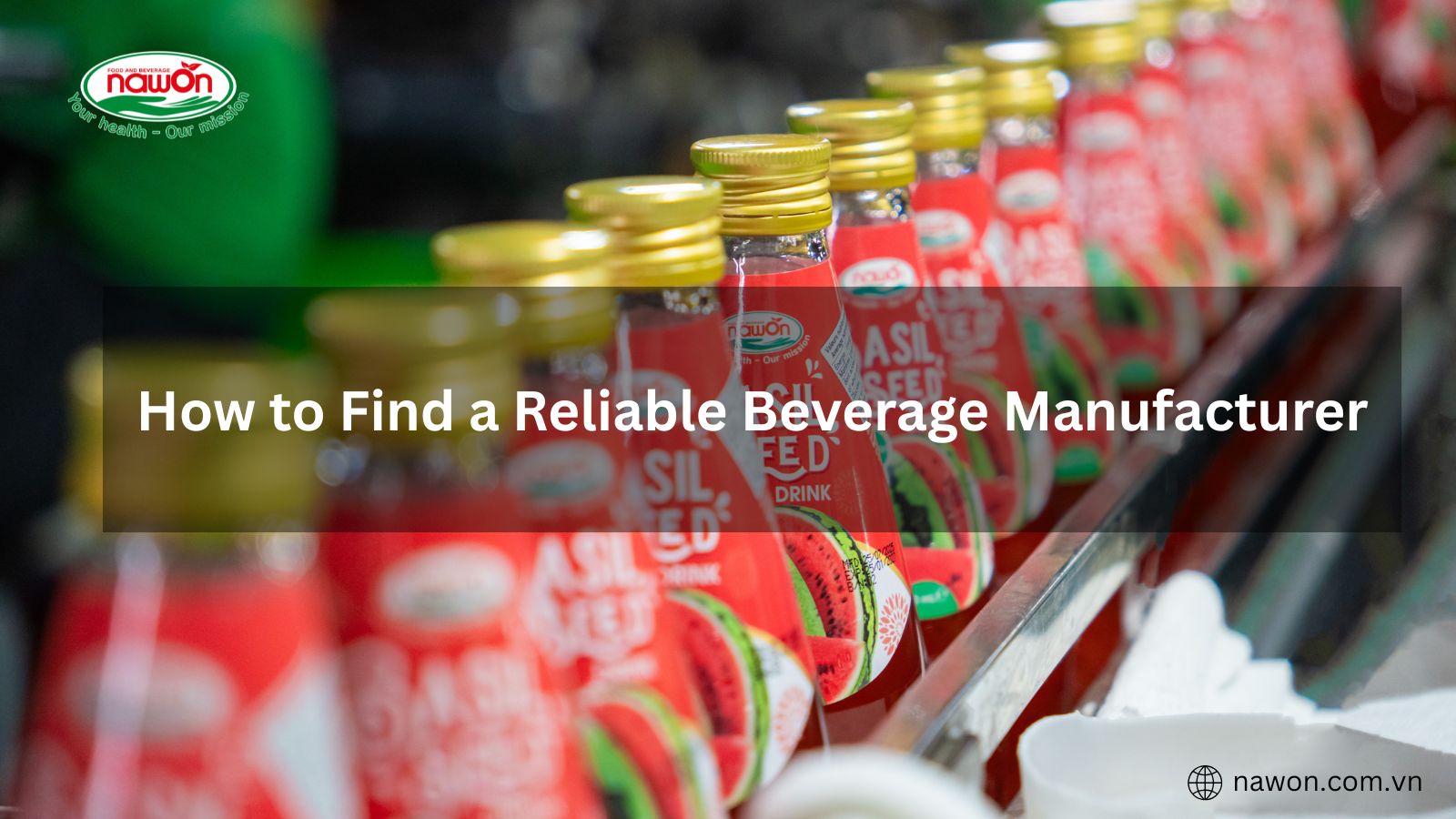
Start with the exact beverage and package you intend to source. Ask whether the supplier currently offers that product type and format, which specifications are required, and what changes may be possible. A capability statement for one product or production line should not automatically be assumed to apply to every formula or package.
1. Confirm Product and Packaging Fit
Share a clear product brief that covers the drink type, flavor, package, target market, order range and known label requirements. Ask the supplier to identify open questions, limitations and any details that still need confirmation. A specific answer about what is not available can be more useful than a broad claim that every request can be handled.
2. Check What Certificates and Registrations Actually Cover
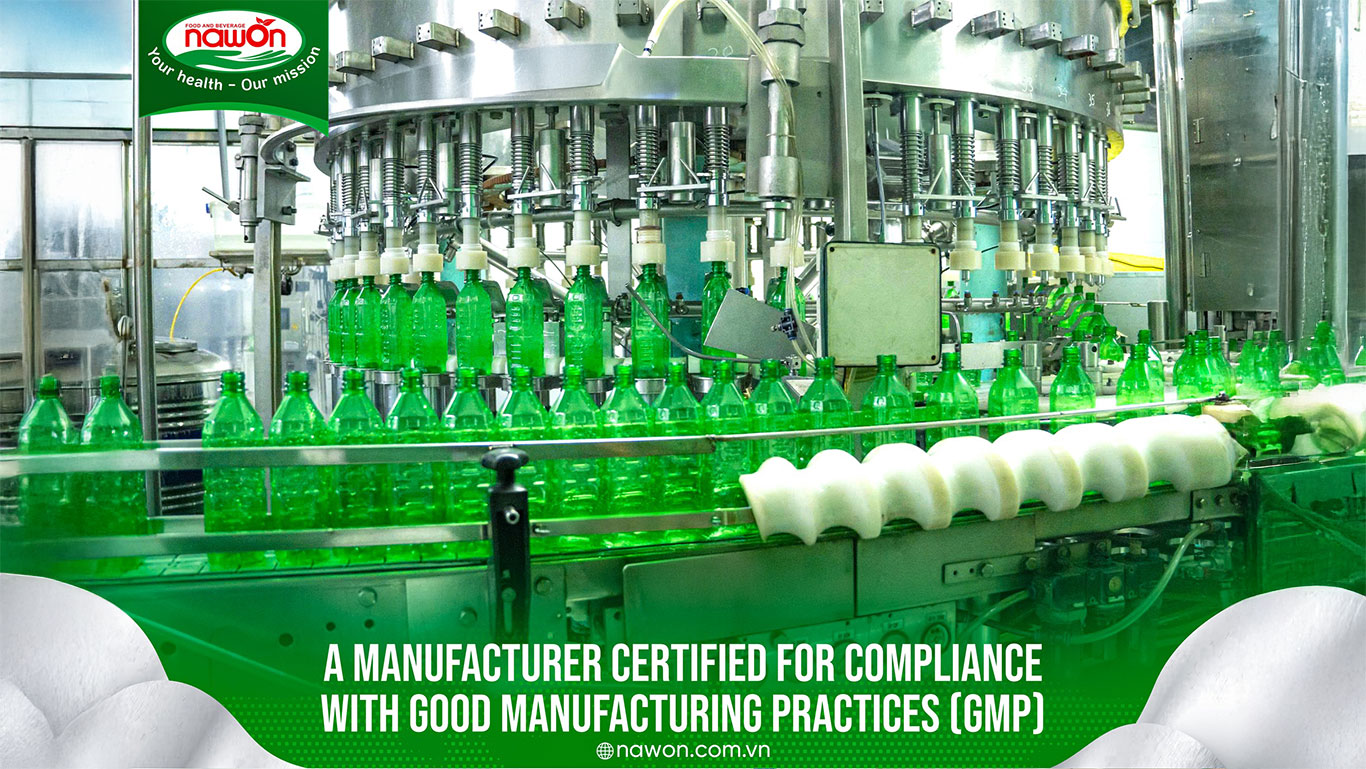
Request current documents and check the issuing organization, facility address, validity date, covered activities and product or process scope. A certificate held by a company may not cover every site or activity involved in a particular order. If a market requires a certification or audit, confirm the exact requirement with a qualified quality or regulatory reviewer.
Do not treat every quality mark as interchangeable. Ask what the certificate or audit covers and whether it applies to the facility and activity proposed for your product.
For the United States, describe FDA food facility registration accurately. FDA states that assignment of a registration number confirms registration; it does not mean FDA has approved or endorsed the facility or its products. Buyers should confirm the requirements that apply to their specific product and import arrangement. Read FDA’s facility registration guidance.
3. Record the Approved Specification and Sample
Before production, establish which product specification and sample version are approved. The specification should identify the relevant product, package and acceptance parameters. Ask how changes to ingredients, sources, flavor, labels or packaging are communicated and approved. Record the approved version so the buyer and supplier can identify what is being quoted and produced.
Record sample approval with a date or reference. Ask whether production samples may differ from development samples and which review steps apply before the purchase order is finalized.
4. Ask How Production Lots Are Traced
Ask how a finished lot can be identified and linked to production and shipment records. Confirm which quality records or test results are available, who reviews them and what release conditions apply. The relevant checks depend on the product and the supplier’s quality plan, so request evidence for the product in your project rather than assuming one generic test list applies to every beverage.
Agree how deviations, complaints and corrective actions are handled. Confirm who receives a quality complaint, what information the buyer should provide and how the investigation will be communicated. Record these responsibilities in the quality or commercial agreement.
5. Review the Quote and Order Terms
Request a written quotation for the exact product and package. Check the quantity assumptions, one-time costs, included packaging, payment milestones, delivery terms, quotation validity and exclusions. Ask which milestones affect the estimated timing, such as sample approval or label review. Terms from another product or order may not apply.
6. Clarify Market-Specific Label Responsibilities
The buyer and supplier should clarify who prepares and reviews label information, which documents are available and which party is responsible for market-specific checks. Requirements depend on the product and destination market. Do not assume a label is compliant in every market without the relevant review and evidence.
7. Compare Suppliers Using the Same Evidence
| Area | Evidence to request | What to verify |
|---|---|---|
| Facility | Current certificate or registration details, where relevant | Site, scope, issuer and validity |
| Product | Product specification and approved sample reference | Product, package and version |
| Quality | Lot records and applicable test documentation | Acceptance criteria and release responsibility |
| Changes | Written change-notification and approval process | Which substitutions need buyer approval |
| Commercial | Itemized quotation and order assumptions | MOQ basis, inclusions, payment and delivery terms |
| Market | Label and document responsibility list | Destination-specific review and responsible parties |
Use the same product brief and evidence categories when comparing suppliers. Ask for written answers to unresolved questions and mark which statements still need technical or regulatory review. Avoid ranking providers with unsupported terms such as “world-class” or “best in class.”
Choose a Supplier Based on Verified Fit
The right beverage manufacturer is one whose confirmed product fit, quality records, communication and commercial terms meet the needs of your project. If you are evaluating Nawon, share the product brief and target market and ask the team to confirm the relevant product, package and available documentation.
For more information about Nawon’s OEM beverage service or private label beverage service, review the service details and confirm project-specific capabilities directly with the team.